
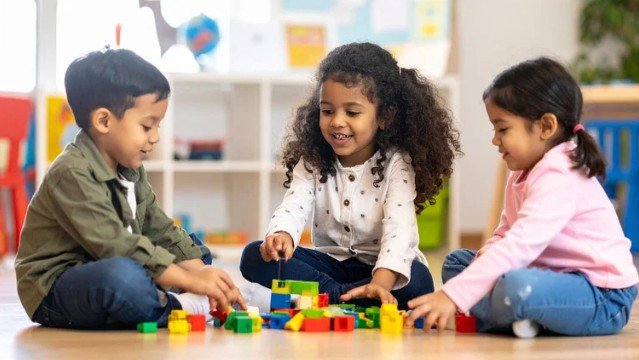
Emotional development in children is the foundation for how they navigate the world around them, how they handle feelings, interact with others, and build lasting relationships. From the first smile in infancy to the complex social skills developed in school-age, emotional growth shapes your child’s future. Nurturing this growth leads to stronger emotional intelligence, better mental health, and improved social skills. A child who understands and manages their emotions is more likely to succeed both academically and socially.
In this guide, we’ll dive into the key stages of emotional development, practical ways to support your child’s growth, and why fostering these skills is essential for their overall well-being. You’ll walk away with insights that help create a supportive environment where your child can thrive emotionally and socially.
What is Emotional Development in Children?
Emotional development refers to how children learn to understand, express, and manage their emotions. This process begins in infancy and continues to evolve throughout childhood, influenced by both biological factors and the child’s environment. It involves developing self-awareness, learning to recognize emotions in others, managing intense feelings, and forming meaningful relationships. Understanding emotional development helps parents and caregivers provide the necessary support to help children thrive emotionally, socially, and academically.
Key Stages of Emotional Development

Infancy (0-2 Years)
- Social Smiling: Infants start to smile in response to caregivers.
- Attachment: A strong emotional bond forms with primary caregivers, providing a sense of security.
- Social Referencing: Around 8-10 months, babies look to caregivers for emotional cues on how to react to unfamiliar situations.
Toddlerhood (2-3 Years)
- Self-Conscious Emotions: Toddlers begin to experience feelings like pride, shame, and embarrassment.
- Emotional Regulation: Toddlers begin using simple strategies to manage feelings, such as shifting focus or using “poker face” expressions.
Preschool (3-5 Years)
- Empathy: Children develop the ability to understand that others have feelings, which helps with social skills.
- Coping Strategies: Children start using tools like deep breathing or finding a quiet space to manage strong emotions.
School-Age (6-12 Years)
- Increased Emotional Vocabulary: By age 11, children may have a vocabulary of around 300 emotion-related words.
- Friendships and Emotional Norms: Social relationships deepen, and children learn more complex social and emotional skills through interactions with peers.
How to Support Emotional Development in Children
Supporting emotional growth involves creating a nurturing environment that encourages self-awareness, empathy, and emotional regulation. Here are some practical ways to help your child develop strong emotional skills:
- Validate Their Feelings
Always acknowledge your child’s emotions, whether they’re upset about a small toy or frustrated with schoolwork. Validating their feelings helps them feel understood and encourages open emotional expression. - Model Healthy Emotional Expression
Children learn by observing. Show them how to manage stress, frustration, or joy in healthy ways. For example, say, “I’m feeling frustrated, so I’m going to take a deep breath,” as you manage your own emotions. - Encourage Empathy
Engage in conversations where you ask your child how others might feel in certain situations. Simple questions like “How would you feel if your friend lost their toy?” help children begin to understand perspectives outside their own. - Create Opportunities for Social Interaction
Playdates, group activities, and team sports can help children practice emotional regulation and social skills with their peers. These experiences also provide opportunities to learn conflict resolution. - Introduce Emotional Tools
Use tools like the CDC’s Milestone Tracker to monitor emotional development and provide activities that help children build their emotional vocabulary.
Why Emotional Development Matters

Strong emotional development is crucial for several reasons:
Academic Success
Children with well-developed emotional regulation skills are better able to focus in class, manage the stress of schoolwork, and handle the challenges of academic life.
Social Competence
As children build empathy and social skills, they can form meaningful friendships, resolve conflicts effectively, and collaborate with peers. This boosts their ability to thrive in social environments like school, sports, and family settings.
Resilience
Emotional intelligence allows children to bounce back from setbacks, view challenges as opportunities for growth, and handle stress more effectively.
Influencing Factors on Emotional Development
Biological Factors
The brain’s development plays a key role in how children process and regulate emotions. Genetic predispositions can impact a child’s temperament, which in turn affects how they react to stress and other emotions.
Environmental Factors
The quality of relationships with caregivers and the broader social environment heavily influences emotional growth. Warm, responsive interactions with caregivers help children feel safe and secure, encouraging healthy emotional development.
How to Recognize Emotional Milestones
Every child develops at their own pace, but certain milestones are typical for each stage of emotional growth. If you’re concerned that your child may be struggling to meet emotional milestones, consult a pediatrician or child psychologist. Tools like the Pathways.org Milestone Tracker can help you assess whether your child is on track.
Here’s a quick checklist of key emotional milestones by age:
- Infants (0-1 Year): Smiling in response to social interaction, recognizing familiar faces.
- Toddlers (1-3 Years): Expressing emotions like joy, sadness, and anger, using words for feelings.
- Preschoolers (3-6 Years): Understanding others’ feelings, beginning to empathize, learning to regulate emotions.
- School-Age (6-12 Years): Expanding emotional vocabulary, managing stress, forming deeper friendships.
When to Seek Help

While emotional development follows a predictable path, some children may struggle more than others with managing their feelings or forming relationships. Signs to watch for include:
- Frequent mood swings or tantrums beyond the typical age.
- Difficulty making or keeping friends.
- Trouble coping with changes or stress.
- Struggling to recognize or label emotions.
If any of these behaviors are present, consider consulting a pediatrician or child therapist to ensure your child gets the support they need.
FAQs on Emotional Development in Children
1. What are the five characteristics of emotional development?
- Self-awareness: Recognizing one’s emotions.
- Emotional regulation: Managing emotions healthily.
- Empathy: Understanding others’ feelings.
- Social competence: Building positive relationships.
- Resilience: Recovering from setbacks.
2. What are the three major emotional stages in childhood development?
- Infancy (0-2 years): Basic emotions and attachment.
- Early Childhood (2-6 years): Complex emotions and emotional regulation.
- Middle Childhood (6-12 years): Refining emotional skills and empathy.
3. What are some examples of emotional development?
- Using words to express feelings instead of tantrums.
- Recognizing when a peer is upset and offering comfort.
- Managing frustration or anger in healthy ways.
4. What are the five emotional activities?
- Identifying emotions: Recognizing feelings.
- Expressing emotions: Communicating feelings appropriately.
- Managing emotions: Controlling emotional reactions.
- Empathy building: Understanding others’ feelings.
- Developing social skills: Forming positive relationships.
Conclusion: Supporting Emotional Growth for a Brighter Future
Emotional development in children is a crucial part of their overall well-being. By understanding the key stages of growth and taking active steps to nurture emotional skills, caregivers can help children build the foundation for successful relationships, academic achievement, and emotional resilience. Start by validating your child’s emotions, modeling healthy emotional expression, and providing opportunities for social interaction. These efforts will pay off in helping your child become emotionally intelligent and equipped to navigate life’s challenges.