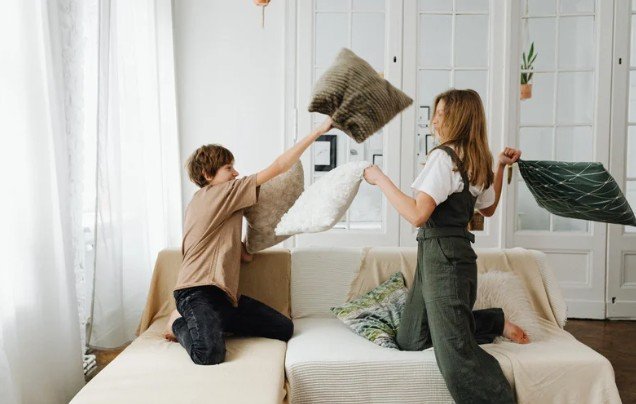
Sibling rivalry is a common challenge every parent faces. While it can be frustrating to hear constant bickering or witness jealousy between siblings, it’s important to understand that rivalry is a natural part of childhood development. In fact, it can even help children develop important life skills like conflict resolution and self-regulation. By using proactive strategies, you can help reduce conflict, promote empathy, and foster cooperation. Here’s how to manage sibling rivalry effectively.
What Is Sibling Rivalry?
Sibling rivalry refers to the competition, jealousy, and conflict that often arise between siblings. It usually starts in early childhood and can intensify as kids grow and compete for attention, resources, or validation from parents. Although rivalry is normal, persistent or escalating conflict can harm children’s emotional well-being and their relationship with each other. Understanding the root causes of rivalry, such as jealousy, a desire for attention, or differences in personality, is key to addressing it constructively.
Why Is Dealing with Sibling Rivalry Important?

Addressing sibling rivalry early on prevents it from developing into more significant behavioral issues. When left unchecked, constant conflict can:
- Damage sibling relationships: Continuous fighting can breed resentment and prevent children from learning cooperation.
- Affect emotional well-being: Prolonged rivalry may result in feelings of inadequacy, jealousy, or low self-esteem in children.
- Stress the parents: Ongoing disputes between siblings can lead to exhaustion and frustration for parents trying to mediate conflicts.
By focusing on strategies that foster empathy and cooperation, you can help your children grow into supportive, well-adjusted individuals who respect one another.
Proactive Strategies to Reduce Sibling Rivalry
1. Avoid Comparisons and Labels
Comparing your children to each other can fuel competition and resentment. For example, saying things like, “Why can’t you be more like your sister?” not only harms self-esteem but also increases jealousy. Instead, praise each child for their unique strengths and efforts. Focus on their individual achievements, such as, “I love how creative you were with that project!”
2. Give Individual Attention
Each child needs to feel valued and heard. Spend one-on-one time with each child regularly—whether it’s reading together, playing a game, or engaging in an activity that they love. This helps reduce the need to fight for attention and shows that you appreciate them for who they are.
3. Teach Problem-Solving and Empathy
Rather than stepping in immediately to resolve conflicts, guide your children through problem-solving. Teach kids how to express their feelings, listen to each other’s perspectives, and come up with solutions together. Asking, “How do you think your sister feels right now?” encourages empathy and understanding.
4. Set Clear Rules and Consequences
Establish family rules for behavior and make sure everyone understands them. For example, “We don’t hit or call names in this house.” When a conflict arises, enforce consequences consistently. Let your children know that fighting over toys or shouting at each other will result in losing privileges, but calmly discuss the issue afterward so everyone can learn from it.
5. Celebrate Cooperation
Praise your children when they work together as a team. Whether it’s completing a puzzle, helping with chores, or sharing, recognizing cooperative efforts encourages positive behavior. Simple affirmations like, “I love how you two worked together to clean the playroom,” reinforce collaboration over conflict.
How to Handle Active Fights

Even the best-laid plans can’t prevent every fight. Here’s how to handle conflicts as they arise:
1. Coach, Don’t Referee
Instead of choosing sides, teach your children to communicate with each other. Let them talk through their disagreement, using “I feel” statements instead of blame. For example, “I feel upset when you take my toy without asking.”
2. Separate and Cool Down
If a disagreement becomes physical or too heated, calmly separate your children and give them some time to cool off. This pause allows everyone to regain composure and reflect on the situation before discussing a solution.
3. Use “Same Boat” Consequences
If your children are fighting over a toy or privilege, take the item away temporarily as a “same boat” consequence. This teaches them that when they can’t cooperate, neither child gets the benefit. Afterward, encourage them to come up with a plan for sharing.
When to Seek Professional Help
While most sibling rivalry can be resolved with time and consistent parenting, there are situations where seeking outside help is necessary. Consider professional support if:
- The rivalry is violent: If fighting escalates to physical aggression or bullying, it’s important to intervene immediately.
- One child is being bullied: If one sibling is consistently targeted or belittled, this may require professional attention to address emotional harm.
- The conflict affects well-being: If the constant rivalry negatively impacts your children’s self-esteem or emotional health, a counselor or therapist can offer strategies for resolution.
Key Takeaways

- Avoid comparisons: Praise each child for their individual strengths.
- Give one-on-one time: Make each child feel heard and valued.
- Teach problem-solving: Encourage children to resolve conflicts on their own.
- Set clear rules and consequences: Establish guidelines for acceptable behavior.
- Celebrate cooperation: Reinforce teamwork and collaboration.
Sibling rivalry doesn’t have to be a source of stress. By proactively addressing conflicts and fostering a sense of empathy and fairness, you can ensure that your children learn how to navigate their relationships in a healthy, constructive way.
FAQs on Dealing with Sibling Rivalry
1. How can I reduce constant fighting between my kids?
Focus on giving each child individual attention and praise. Set clear rules and consequences while teaching them to resolve conflicts on their own.
2. When should I intervene in sibling conflicts?
Step in when conflicts become physical or if a child is being bullied. Otherwise, encourage your kids to work out their disagreements with guidance.
3. What’s the best way to encourage cooperation between siblings?
Create activities that require teamwork, such as games or chores. Praise cooperative behavior to reinforce positive interactions.
4. How do I stop comparing my children?
Avoid making direct comparisons and instead celebrate their unique strengths. Emphasize effort and personal growth rather than competition.
Long-Term Mindset: Expect Conflict but Manage It Constructively
It’s important to remember that sibling rivalry is a natural part of growing up. As children develop their identities, they will often test boundaries and vie for attention. However, by focusing on long-term strategies—like maintaining fairness, fostering empathy, and promoting cooperation—you can guide them through conflicts and help them build a lifelong, supportive sibling relationship