I still remember the first time I booked an international trip with my kids. I felt excited… and honestly, a little overwhelmed. Between passports, packing, and imagining worst-case scenarios mid-flight, my brain wouldn’t slow down.
But once I actually went through the process, I realized something important—it’s not about perfection, it’s about preparation and rhythm. When you build simple routines and expect a few bumps, everything feels more manageable.
If you’re figuring out how to travel internationally with kids for the first time, I’ll walk you through what actually works in real life—not just what sounds good on paper.
Why Does How to Travel Internationally With Kids for the First Time Feel So Overwhelming?
The pressure comes from wanting everything to go right. You’re not just planning a trip—you’re managing tiny humans in unfamiliar environments, time zones, and situations you can’t fully control.
What helped me most was shifting my mindset and balancing work and personal life. Instead of trying to control every detail, I focused on building flexible systems. I prepared enough to feel confident, but I left room for things to go off track without ruining the experience.
Once I stopped chasing “perfect travel” and started focusing on “smooth enough travel,” everything changed.
What Documents and Health Prep Do You Really Need Before You Go?
Before anything else, I always handle paperwork early. Every traveler, even infants, needs a valid passport. I double-check expiration dates because many countries require at least six months of validity.
If I’m traveling solo with my kids, I carry a notarized consent letter. It sounds formal, but it saves you from awkward questions at immigration.
Health-wise, I schedule a doctor visit about six weeks before the trip. I also pack a small emergency kit with kids’ fever medicine, bandages, and anything we regularly use at home. That one habit alone has saved me more than once.
How Do I Pack a Carry-On That Actually Works With Kids?
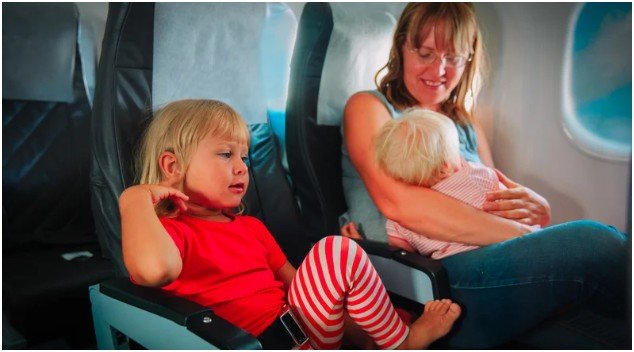
Your carry-on becomes your lifeline mid-flight. I stopped underpacking after one rough experience and now I always pack extra—especially snacks, wipes, and entertainment.
I treat it like a mini survival kit. I bring double the snacks I think we’ll need, plus refillable water bottles to use after security. For younger kids, I carry enough formula or baby food for at least two days, just in case delays happen.
Here’s a quick structure I follow every time:
| Category | What I Always Pack | Why It Matters |
| Documents | Passports, confirmations, consent letter | Easy access during check-ins |
| Food & Drinks | Snacks, bottles, baby food | Keeps kids calm and comfortable |
| Comfort Items | Blanket, stuffed toy, extra clothes | Helps kids settle in new spaces |
| Hygiene Kit | Wipes, sanitizer, zip bags | Handles messes instantly |
| Entertainment | Tablet, headphones, surprise toys | Prevents boredom meltdowns |
I also pack one extra outfit for myself. Trust me, spills don’t care who they land on.
What Flight Strategies Make Long Trips With Kids Easier?
Flights used to stress me out the most. Now I plan them like part of our routine.
I prefer overnight flights whenever possible. Kids naturally fall asleep, and that alone makes a huge difference. I also choose window seats so they have a place to lean and stay engaged without constantly getting up.
For takeoff and landing, I always have something ready for ear pressure—lollipops for older kids or bottles for younger ones. It’s a small detail, but it prevents a lot of discomfort.
One trick that never fails me is the “surprise bag.” I pack a few small, wrapped items and give them out slowly during the flight. It keeps curiosity alive and breaks up long hours into manageable moments.
How Do I Plan the First Few Days Without Overwhelming Everyone?
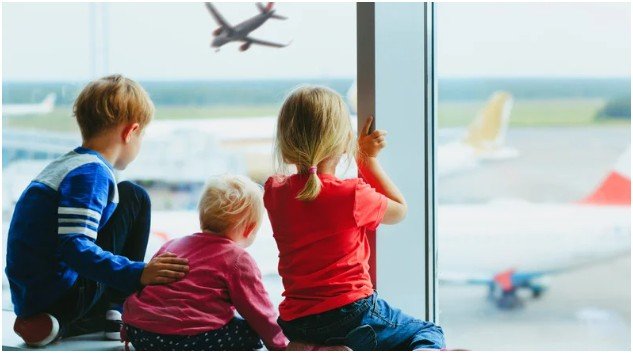
When we land, I slow everything down. I don’t schedule packed itineraries anymore because tired kids don’t enjoy rushed plans.
I usually plan one main activity in the morning and leave the rest of the day flexible. That space allows for naps, snacks, or just exploring without pressure.
I also pre-book airport transfers. After a long flight, the last thing I want is to figure out transportation with tired kids and luggage.
Familiar items help too. A favorite blanket or snack can turn a new environment into something comforting almost instantly.
How to Travel Internationally With Kids for the First Time Step by Step
I follow a simple routine every time I travel now, and it keeps things smooth without feeling rigid.
First, I start planning early. I book flights, check passport validity, and understand visa requirements. That removes last-minute stress.
Next, I involve my kids in the process. I show them videos or books about the destination. When they recognize something familiar, they feel more excited and less anxious.
Then, I build my packing system. I organize the carry-on first, not last. That ensures everything essential stays within reach during the journey.
After that, I plan the flight experience. I align sleep schedules with travel time, prepare snacks, and pack entertainment in stages so I don’t run out too early.
Finally, I simplify the arrival plan. I arrange transportation, keep the schedule light, and focus on helping everyone adjust instead of rushing into activities.
This step-by-step approach makes how to travel internationally with kids for the first time feel structured but still flexible.
What Safety Habits Help You Stay Calm in Busy Places?
Crowded airports and unfamiliar cities can feel overwhelming, so I always set simple safety rules.
I pick a visible meeting point wherever we go. I also make sure my kids know my phone number or wear an ID bracelet when we travel in busy areas.
I keep things simple and repeat instructions often. Kids don’t need complicated rules—they need clear, consistent ones.
These small habits give me peace of mind and help my kids feel more confident too.
What’s the Real Secret to Enjoying the Trip With Kids?
The biggest shift for me came when I stopped worrying about what other people think.
Kids will have moments. They might get tired, cranky, or overwhelmed. That’s normal. I focus on helping them through it instead of trying to avoid it completely.
I also remind myself that travel with kids isn’t about seeing everything. It’s about experiencing moments together—even the imperfect ones.
Once I embraced that, I actually started enjoying the journey more.
Key Takeaways: How to Travel Internationally With Kids for the First Time Without Stress
Traveling with kids doesn’t have to feel chaotic when you follow a few simple habits.
Prepare early so you don’t rush later. Pack your carry-on like a survival kit. Keep your schedule flexible and realistic. Focus on comfort, not perfection.
Most importantly, trust yourself. You don’t need to have everything figured out—you just need a plan that works for your family.
FAQs About How to Travel Internationally With Kids for the First Time
1. How to travel internationally with kids for the first time without stress?
Start early, keep your plans simple, and pack more essentials than you think you’ll need. Focus on routines like snacks, sleep, and comfort instead of trying to control every detail.
2. What should I pack in a carry-on for kids on international flights?
Pack snacks, wipes, entertainment, extra clothes, and essential documents. Add comfort items like a blanket or toy to help kids relax during the journey.
3. Is flying internationally with kids really that hard?
It feels challenging at first, but it gets easier once you build a routine. With the right prep and mindset, it becomes manageable and even enjoyable.
4. How do I keep kids calm during long flights?
Use snacks, surprise toys, and pre-loaded entertainment. Plan around sleep schedules and stay flexible. Small distractions go a long way in keeping kids happy.
Chaos, Snacks, and Memories You’ll Never Forget
The first international trip with kids might not go exactly as planned—and that’s okay.
Some moments will feel messy. Others will feel magical. The key is to stay present, adjust as you go, and remember why you took the trip in the first place.
And here’s something I’ve learned the hard way—always pack extra snacks. Always.