
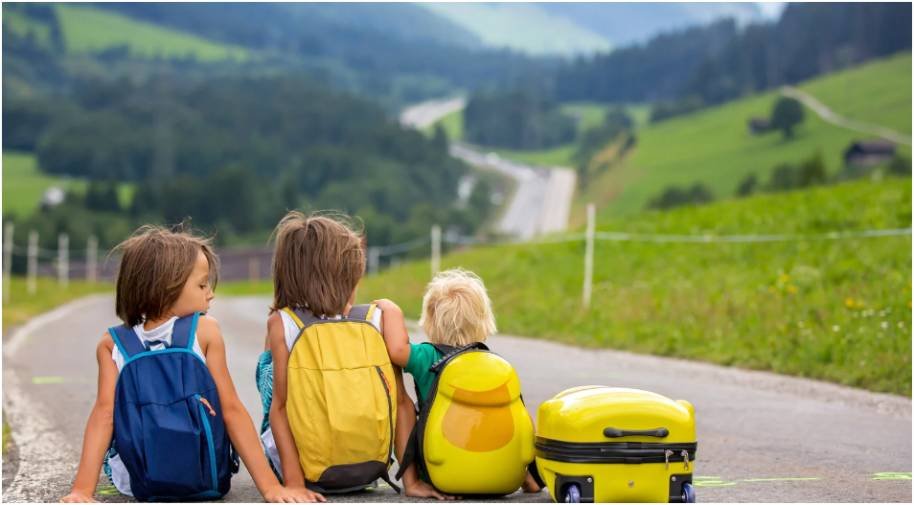
I used to pack tablets, download shows, and hope for the best. It worked… until it didn’t. Meltdowns still happened, boredom hit faster, and I felt like I had to constantly “entertain.”
That’s when I shifted to screen free travel activities for kids and started building simple travel routines for kids that actually matched their energy. Everything changed. The trips felt calmer, more connected, and honestly, way more enjoyable for all of us.
Now, I don’t rely on screens at all. I rely on rhythm, timing, and a few smart activities that keep kids engaged without overstimulation.
Why Do Screen Free Travel Activities for Kids Work Better Than Screens?

Screens feel like the easy solution, but they often create short bursts of attention followed by crashes. I noticed that after 30–40 minutes of screen time, my kids became restless, not relaxed.
When I switched to screen free travel activities for kids, I saw a completely different pattern. They stayed engaged longer, interacted more, and didn’t rely on constant stimulation.
The biggest shift came from using hands-on and audio-based activities while I traveled with kids internationally for the first time. When kids use their hands or imagination, they settle into the moment instead of chasing the next distraction. That calm energy makes the entire journey smoother.
What Are the Best Screen Free Travel Activities for Kids That Actually Keep Them Busy?
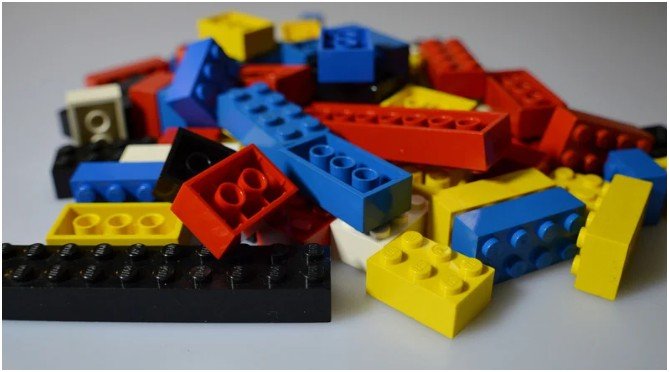
I stopped overpacking and started choosing smarter. The goal is not more toys—it’s better engagement.
Tactile kits became my go-to. Wikki Stix, small LEGO travel sets, and magnetic blocks keep kids focused without creating mess or chaos. These activities give them something to build, fix, and imagine.
For creative play, I rely on mess-free tools. Water Wow books and LCD writing tablets work perfectly because nothing spills or rolls away. Even painter’s tape became a travel hero. I use it to create roads on tray tables or simple games that keep them occupied longer than expected.
Audio entertainment surprised me the most. Audiobooks and kid-friendly podcasts hold their attention in a calm way. It works especially well during quiet phases when you want them relaxed but not bored.
How Do Travel Routines for Kids Prevent Meltdowns?
Once I understood travel routines for kids, everything became easier. Kids don’t struggle with travel—they struggle with unpredictability.
I started structuring trips into simple phases instead of reacting in the moment. That alone reduced stress for everyone.
Here’s what works for me:
| Travel Phase | What I Do |
| Before departure | Let them move and burn energy |
| First 30 minutes | No activities, just observe surroundings |
| Mid-journey | Introduce snacks or surprise activities |
| Quiet phase | Switch to audio or calming play |
| Final stretch | Bring out “high-value” activities |
This rhythm gives kids something to expect. When they know what comes next, they stay calmer and more cooperative.
Why Does Timing Matter More Than Toys During Travel?

I learned this the hard way. Giving all activities at once leads to boredom faster than anything else.
Now I time everything intentionally. I don’t hand out toys right away. I let curiosity take over first. Kids watch the airport, the road, or the takeoff. That natural engagement buys you time.
Then, I slowly introduce activities. A small game here, a snack there, and later, something exciting like a surprise toy. This pacing keeps everything feeling new.
The biggest win comes from saving the best activity for the final stretch. That’s when patience runs out, and a “wow” moment can reset the mood completely.
How I Use Audio to Replace Screens Without Complaints
At first, I thought my kids would resist audio. I was wrong.
Once I introduced storytelling podcasts and audiobooks, they leaned into it naturally. It feels different from screens. It invites imagination instead of passive watching.
I use audio during quiet moments. Window seats help, especially on flights. Kids lean back, listen, and relax without overstimulation.
What surprised me most is how long they stay engaged. Audio doesn’t burn out attention the way screens do. It stretches it.
How to Create a Screen-Free Travel Routine for Kids That Actually Works
Start by thinking in phases, not activities. That shift changed everything for me.
Before the trip, involve your kids. Let them pack their own “fun bag.” It gives them ownership and builds excitement. Keep it simple with a few high-quality items instead of many small distractions.
At the start of the journey, don’t rush to entertain. Let them observe. Whether it’s planes taking off or scenery changing, curiosity naturally fills that space.
As the trip progresses, introduce activities gradually. Offer a tactile toy, then a snack, then maybe an audio story. Space them out so each one feels fresh.
Plan breaks during long trips. If you’re driving, stop every couple of hours. Let kids move, run, and reset. That physical release prevents buildup of frustration.
In the final stretch, bring out your strongest activity. This could be a surprise toy, a favorite snack, or a fun game. It helps them push through the last part of the journey without complaints.
What Should You Pack for Screen Free Travel Activities for Kids?
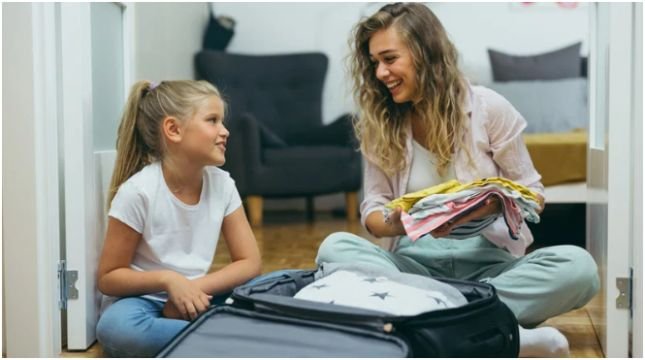
I keep it simple and intentional now. My packing list looks smaller, but it works better.
I choose one tactile activity, one creative tool, one audio option, and a few small surprises. That balance covers every phase of the trip without overwhelming them.
I also rotate items. Something new doesn’t have to be brand new—it just has to feel different in that moment.
Packing this way reduces clutter and increases engagement. You stop managing things and start enjoying the journey.
Key Takeaways
- Screen-free travel works better when you focus on rhythm, not constant entertainment
- Tactile and audio activities keep kids engaged longer than screens
- Travel routines for kids create predictability and reduce stress
- Timing activities strategically prevents boredom and meltdowns
- Simple, well-planned packing beats overpacking every time
FAQ: Screen Free Travel Activities for Kids
1. What are the best screen free travel activities for kids on a plane?
I’ve had the best luck with mess-free activities like Water Wow books, LCD writing tablets, Wikki Stix, and simple sticker or tape games. Audiobooks also work really well once the excitement of takeoff passes.
2. How do travel routines for kids help during long trips?
Travel routines for kids create predictability, and that lowers stress fast. When kids know when snacks, quiet time, and fun activities are coming, they usually handle long travel days much better.
3. How many activities should I pack for screen free travel activities for kids?
I don’t pack a huge number anymore. I usually bring a few strong options, then space them out across the trip so each one feels new and exciting when I bring it out.
4. What if my child still gets bored without screens?
That happens, and I don’t panic over it. A little boredom often leads to creativity, conversation, or rest, which is honestly part of why screen free travel activities for kids work so well over time.
So… Do You Really Need Screens to Survive Travel? Not Even Close
I used to think screens were essential. Now I see them as optional.
When you build your travel around rhythm, engagement, and simple routines, everything feels easier. Kids stay calmer, and you stop feeling like a full-time entertainer.
The best part? You actually enjoy the journey instead of managing it.
Next time you travel, try one small change. Delay the screen. Add one thoughtful activity. You’ll feel the difference almost immediately.