
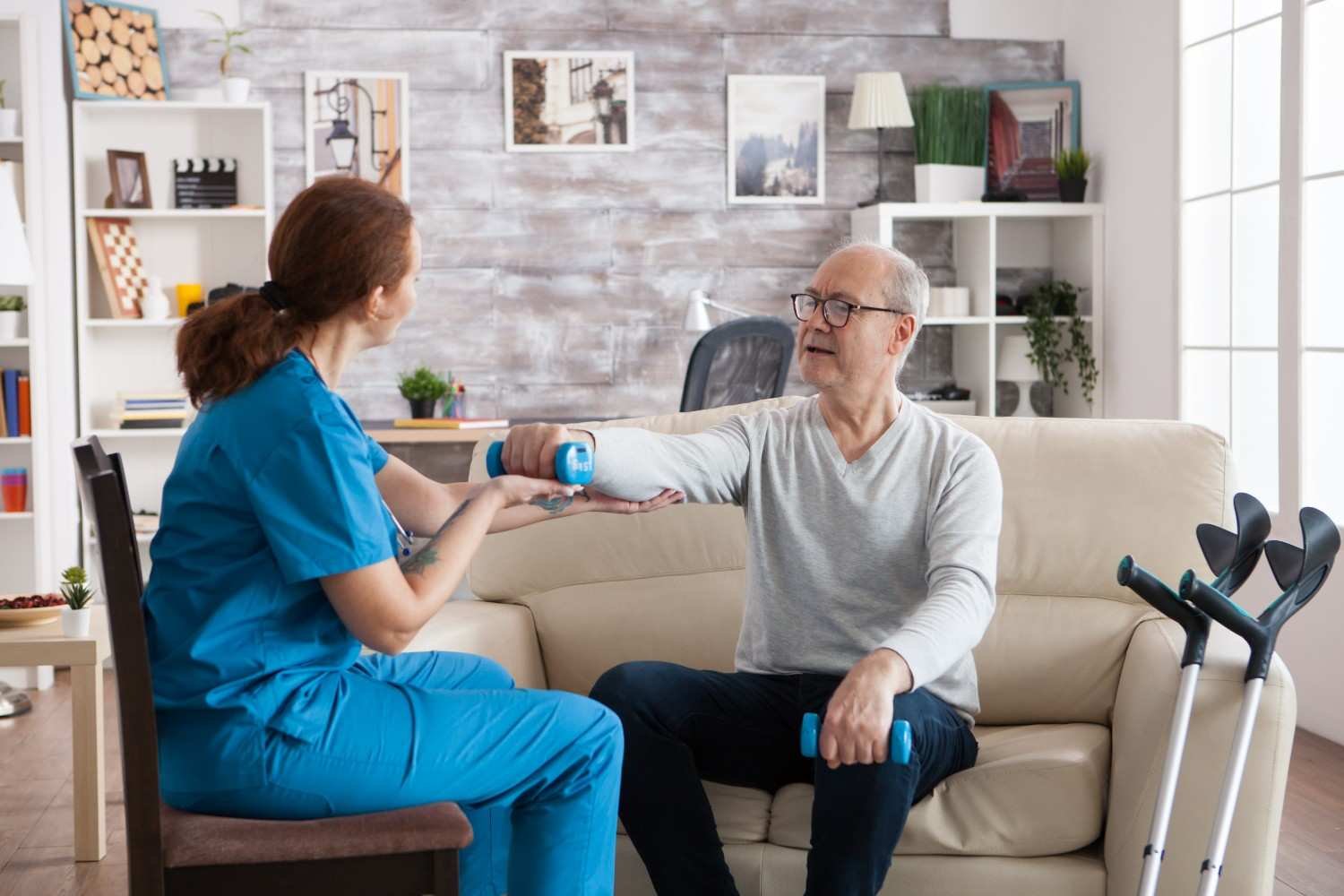
Occupational therapy plays a vital role in helping individuals develop, recover, or maintain the skills necessary for daily living and working. Traditionally, occupational therapy services have been provided in clinical settings. However, with evolving healthcare needs and advancements in service delivery, mobile occupational therapy has become increasingly popular.
This approach brings therapy directly to clients in their homes or community settings, offering a range of advantages over conventional clinic-based treatment.
What is Mobile Occupational Therapy?
Mobile occupational therapy refers to occupational therapy services provided outside of a traditional clinic environment. Therapists travel to the client’s home, school, workplace, or other community locations to deliver personalised care in familiar surroundings. This method allows for more tailored interventions, considering real-life contexts and challenges faced by the individual.
Enhanced Personalisation of Therapy
One significant benefit of mobile occupational therapy is the ability to provide highly customised care. Therapists can assess the client’s actual environment, which greatly aids in identifying specific barriers and facilitators to independence. Rather than relying on hypothetical or simulated scenarios in a clinic, the therapist observes the client in their everyday setting, allowing for more practical goal-setting and intervention strategies.
Improved Accessibility and Convenience
Support for Individuals with Complex Needs
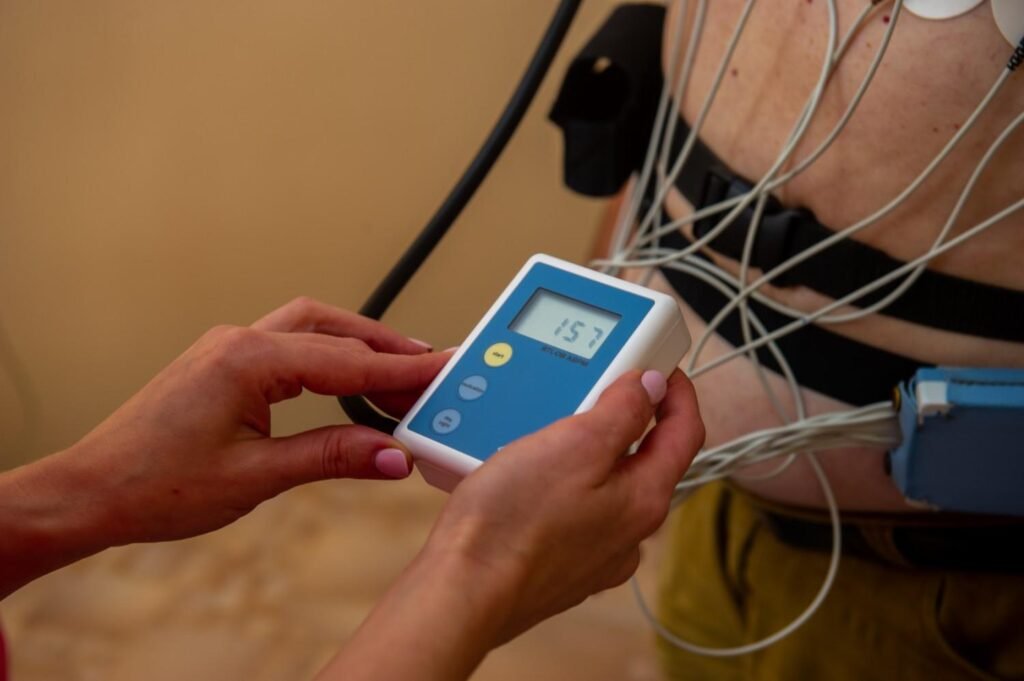
Clients with complex medical or physical conditions often require specialised care that can be better managed through mobile services. Delivering therapy in the client’s environment enables therapists to work closely with family members, caregivers, and other healthcare providers, ensuring a holistic approach to care. This collaborative strategy facilitates continuity and coordination of services tailored to the individual’s needs.
Promoting Functional Independence in Daily Life
Delivering occupational therapy in the environment where activities occur allows for direct practice and mastery of skills such as meal preparation, personal hygiene, or workplace tasks. This approach supports the development of practical solutions and adaptations, which promote greater functional independence. Therapists can recommend environmental modifications or assistive devices that fit the client’s specific context.
Reducing Hospital Readmissions and Supporting Early Discharge
Mobile occupational therapy plays a crucial role in rehabilitative care, particularly following hospitalisation or surgery. Providing home-based therapy facilitates earlier discharge by ensuring patients have the necessary support to manage self-care and recovery safely. Ongoing therapy in the home also helps reduce the risk of hospital readmissions by identifying potential hazards and addressing them proactively.
Enhancing Quality of Life
Receiving therapy in a comfortable and familiar environment can reduce stress and anxiety for clients, contributing positively to mental health and overall well-being. Mobile occupational therapy encourages participation in meaningful activities and social engagement within the community, which are essential components of a fulfilling life. Supporting clients in maintaining or regaining their roles enhances dignity and self-esteem.
Family and Caregiver Involvement
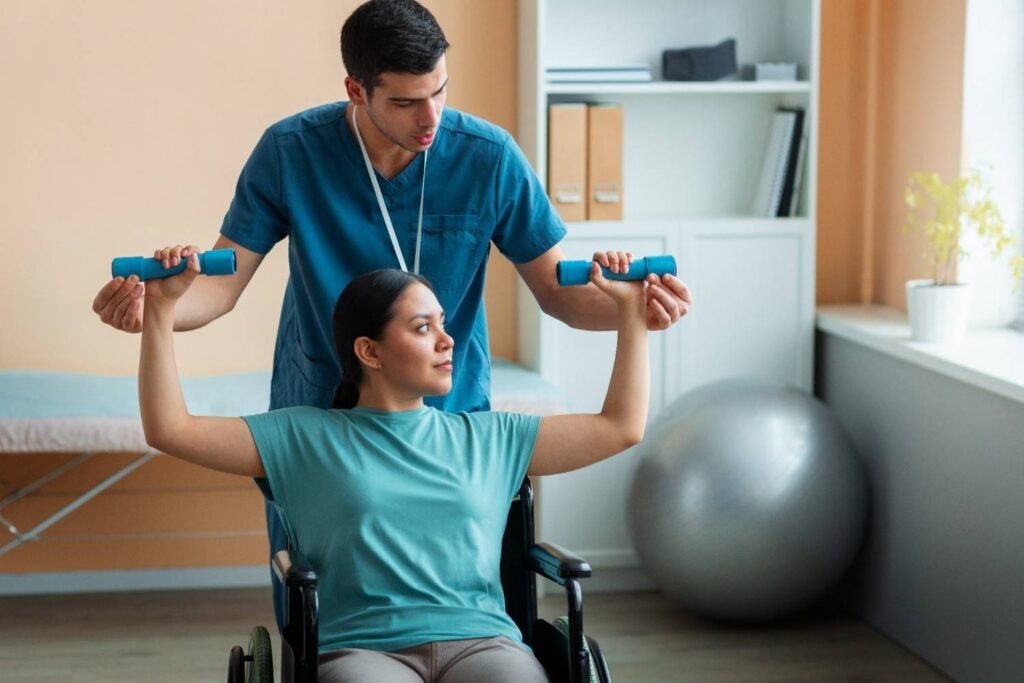
The mobile model encourages active engagement of family members and caregivers in the therapy process. By being present during sessions, they gain valuable knowledge and skills to support the client’s progress. This involvement fosters better understanding of therapeutic goals and strategies, which can improve adherence and outcomes outside of therapy hours.
Individualised Goal Setting and Monitoring
Mobile occupational therapists collaborate closely with clients to set achievable and relevant goals that address day-to-day challenges. Regular home visits facilitate ongoing assessment and adjustment of therapy plans, ensuring they remain aligned with the client’s evolving needs and circumstances. This continuous monitoring maximises the effectiveness of interventions.
Cost-Effectiveness of Service Delivery
In some cases, mobile occupational therapy can reduce costs associated with travel, parking, and time off work for clients and families. For service providers, this model allows efficient allocation of resources by targeting clients most in need of home-based care. Furthermore, preventing complications and hospital readmissions through timely intervention contributes to overall healthcare cost savings.
Technology Integration
Mobile occupational therapists often incorporate technology such as telehealth, mobile apps, and digital monitoring tools to complement face-to-face sessions. This hybrid approach enhances communication between therapist and client and provides additional support between visits. Technology also facilitates data collection and outcome tracking, improving the quality of care delivered.
Supporting Ageing in Place
With an ageing population, there is increasing demand for services that enable older adults to live independently for as long as possible. Mobile occupational therapy supports ageing in place by addressing mobility, safety, and functional challenges directly within the home. Therapists can recommend appropriate adaptations, equipment, and strategies to maintain safety and autonomy.
Addressing Paediatric Needs

Children with developmental delays, sensory processing issues, or physical disabilities benefit from receiving occupational therapy in familiar environments such as home or school. Mobile occupational therapy allows therapists to work within these contexts, promoting generalisation of skills across different settings and enhancing participation in everyday activities.
Community Integration and Support
Mobile occupational therapy aids community integration by helping clients navigate public spaces, use transportation, and engage in social or recreational activities. Therapists can assess community accessibility and advocate for necessary accommodations to improve inclusivity and participation for individuals with disabilities.