
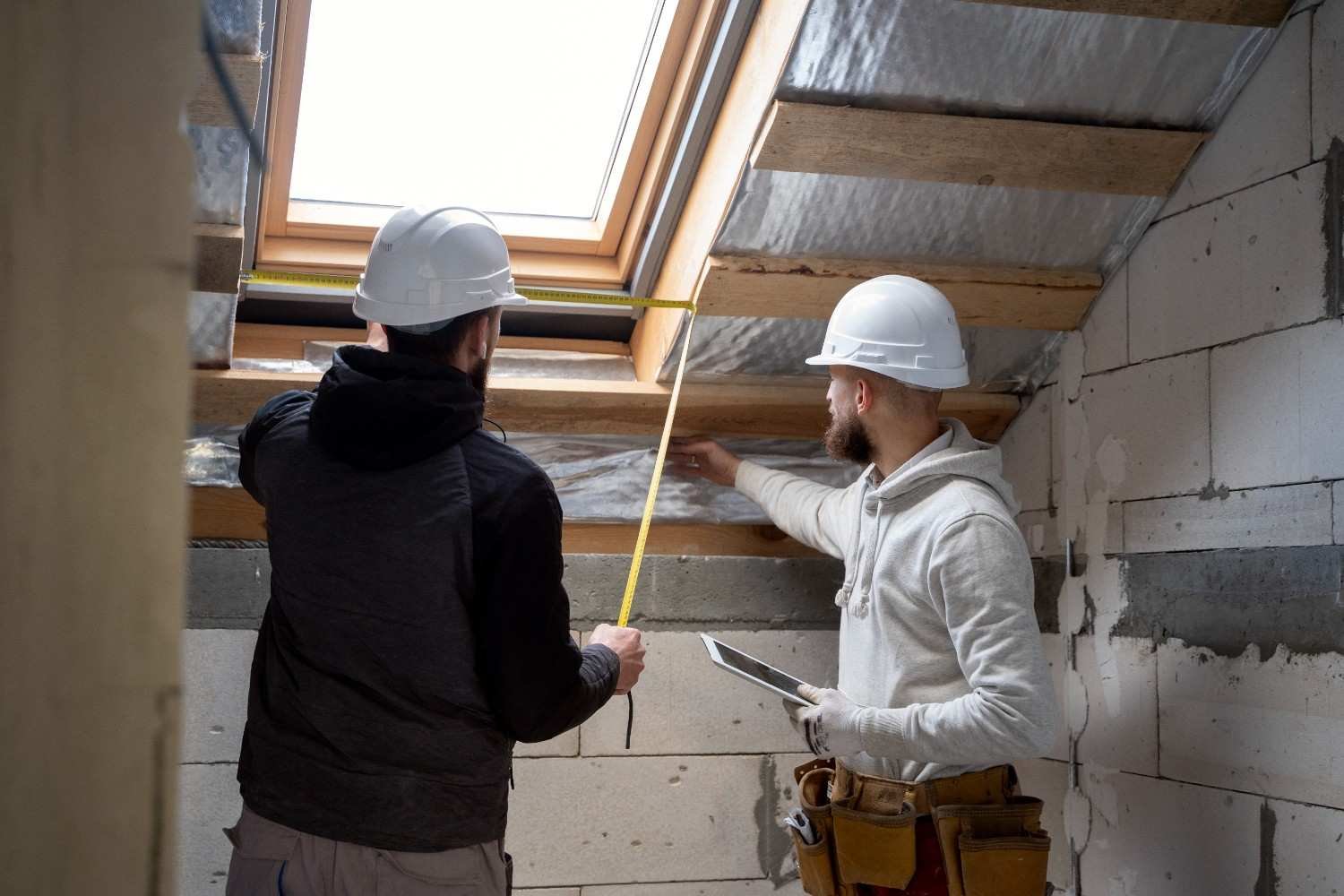
Reflective insulation has become an important material in modern construction and building maintenance due to its unique properties and effectiveness in improving thermal regulation. Unlike traditional insulation materials that rely primarily on slowing conductive heat flow, reflective insulation functions by reflecting radiant heat. This characteristic offers specific benefits and makes it suitable for a variety of applications in both residential and commercial settings.
Understanding Reflective Insulation
Reflective insulation typically consists of reflective foils or films laminated onto a range of backing materials such as kraft paper, plastic film, or polyethylene bubbles. The reflective surface’s primary aim is to bounce radiant heat away rather than absorb it. This sets it apart from conventional insulations like fibreglass and mineral wool which primarily resist conductive and convective heat transfer.
How Reflective Insulation Works
The core principle of reflective insulation is based on the reflection of radiant energy. Radiant heat travels in straight lines and heats objects that absorb it. Reflective insulation with a shiny surface reduces heat transfer by reflecting 95 to 97 percent of radiant infrared energy, depending on the surface’s emissivity. This results in reduced heat gain during warmer months and less heat loss during colder months.
Thermal Performance and Energy Efficiency

One of the most important benefits of reflective insulation is its ability to improve a building’s energy efficiency. By limiting heat transfer, buildings require less energy for heating and cooling. This leads to lower utility bills and a reduced carbon footprint. In climates where temperature extremes are common, the installation of reflective insulation can have a dramatic impact on internal comfort and operational energy costs.
Moisture Control Properties
Reflective insulation is also effective at controlling moisture. Many installations incorporate a vapour barrier, which helps prevent condensation within wall or roof assemblies. This reduces the risk of mould growth and structural damage caused by trapped moisture. Therefore, reflective insulation can contribute to a healthier indoor environment and extend the building’s lifespan.
Applications of Reflective Insulation
Reflective insulation is versatile and can be used in multiple areas of building construction, including roofs, walls, and floors. It is particularly beneficial in certain applications where traditional insulation materials may be less effective or practical.
Roof Spaces and Attics
Roof spaces and attics are prime locations for reflective insulation implementation. In hot climates, radiant heat from the sun can increase attic temperatures significantly, transferring excessive heat into living spaces below. Installing reflective insulation under roof sheathing can reduce heat penetration, keeping homes cooler and reducing reliance on air conditioning systems.
Wall Systems
Within wall systems, reflective insulation can be installed as a radiant barrier behind cladding or between studs. This application enhances thermal resistance without significantly increasing wall thickness. It can therefore be useful in retrofitting older buildings where space constraints limit the use of bulky insulation materials.
Floors and Basements
Floors, particularly those over unheated basements or crawl spaces, benefit from the installation of reflective insulation. By reflecting radiant heat upwards, it helps maintain warmer floor temperatures and reduces heat loss through the floor structure, improving overall comfort.
Industrial and Commercial Buildings
Advantages Over Traditional Insulation

While fibreglass and foam insulations are effective in limiting conductive heat transfer, reflective insulation offers advantages that complement these materials. Its lightweight nature simplifies handling and installation. Reflective insulation does not settle or degrade over time in the way some traditional insulations can, maintaining its performance characteristics for longer.
Additionally, reflective insulation is resistant to mould, mildew, and insect infestation, which can affect organic insulations. Its vapour barrier function helps maintain the building envelope’s integrity, which can be critical in humid environments.
Cost-Effectiveness
Reflective insulation often provides a cost-effective approach to improving building thermal performance. It typically requires less volume than bulk insulation materials to achieve comparable results in terms of radiant heat control. This can translate into savings not only in material costs but also in reduced labour and transport expenses.
Environmental Impact
By improving energy efficiency and reducing the need for mechanical heating and cooling, reflective insulation contributes to lower greenhouse gas emissions. Many products within this category are also recyclable or made from recycled materials, further enhancing their sustainability profile.
Installation Considerations
Proper installation is crucial to maximise the benefits of reflective insulation. The reflective surface must face an air space to effectively reflect radiant heat. If the foil faces a solid surface or is in direct contact with insulation material, its performance significantly decreases.
It is also important to ensure that joints and seams are sealed correctly to maintain the vapour barrier properties and prevent air leakage. Professional advice and adherence to building regulations can help ensure that reflective insulation is installed to achieve optimal results.
Combining Reflective Insulation with Other Insulation Types

Reflective insulation is often combined with other forms of insulation to provide comprehensive thermal protection. While reflective insulations target radiant heat, materials like fibreglass or rigid foam address conductive heat transfer. Using these materials in tandem can create an effective thermal envelope that reduces heat exchange in multiple modes.