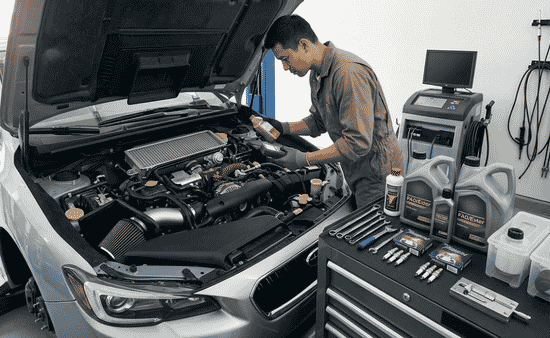
Owning a car is a major financial commitment. Between the monthly payments, insurance premiums, and fueling up, the costs add up quickly. But nothing drains a wallet faster than unexpected, major mechanical failures.
Many drivers view vehicle maintenance as an annoying chore or an unnecessary upfront expense. In reality, staying ahead of your car’s needs is the single best way to keep money in your bank account. A small investment of time and effort today prevents catastrophic repair bills tomorrow.
By shifting your mindset from reactive fixing to proactive care, you can extend your car’s lifespan and protect your budget. Here are five simple vehicle maintenance habits that will save you serious money over the lifetime of your vehicle.
1. Checking Your Tire Pressure Regularly
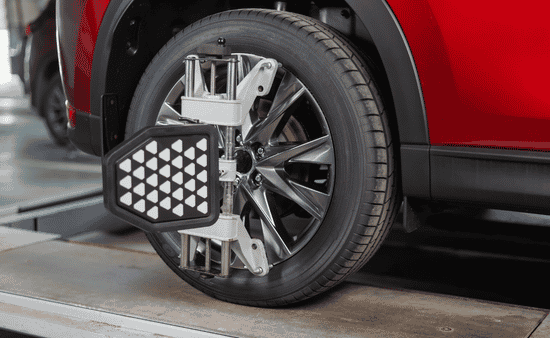
Tires are the only part of your vehicle that actually touches the road, yet they are routinely ignored. Checking your tire pressure once a month takes less than five minutes, but the financial payoff is substantial.
When your tires are underinflated, your engine has to work much harder to push the car forward. This drastically reduces your fuel efficiency, forcing you to spend more at the gas pump. Furthermore, improper inflation causes uneven tread wear, meaning you will have to replace an expensive set of tires much sooner than expected. Keeping them inflated to the manufacturer’s recommended PSI ensures maximum efficiency and longevity.
2. Staying on Top of Oil Changes
Think of engine oil as the lifeblood of your vehicle. It lubricates moving parts, reduces friction, and pulls heat away from the engine block. Over time, oil breaks down, turns into sludge, and loses its ability to protect your engine.
Skipping or delaying oil changes is a recipe for disaster. When friction takes over, engine components wear down rapidly, which can eventually lead to a completely seized engine. Replacing an entire engine costs thousands of dollars, while a routine oil change costs a fraction of that amount. Sticking to your vehicle’s recommended oil change schedule is the cheapest insurance policy you can buy.
3. Protecting the Undercarriage and Rims from Corrosion
When we think of car maintenance, we often think of mechanical parts under the hood. However, cosmetic and structural deterioration can destroy a vehicle’s resale value and lead to costly structural damage. Road salt, moisture, and debris constantly attack your vehicle’s metal components, leading to rust.
Washing your car regularly—especially during the winter—is vital. If you want to take protection a step further, look into specialized surface treatments for your wheels and metal accents. For instance, applying a professional powder coating in Utah offers an incredibly durable barrier against harsh winter salts and road debris, preventing moisture from eating away at your rims and causing expensive cosmetic or structural degradation.
4. Replacing Air Filters on Schedule
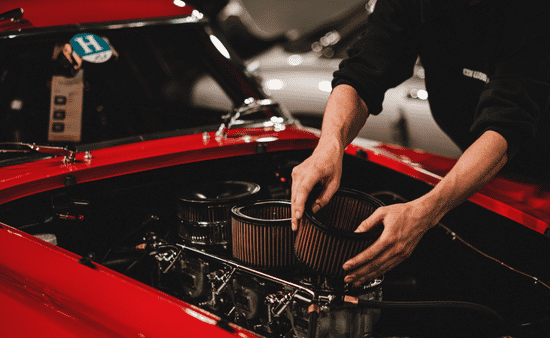
Your car uses two primary air filters: the cabin air filter and the engine air filter. Both play an important role in keeping your vehicle running efficiently and comfortably.
A clogged engine air filter restricts the amount of oxygen entering the combustion chamber. This disrupts the delicate air-fuel mixture, forcing your car to burn more gasoline to maintain speed. Meanwhile, a dirty cabin filter strains your heating and air conditioning system, potentially leading to a premature blower motor failure. Replacing these filters is inexpensive, easy to do yourself, and keeps your internal systems running smoothly.
5. Listening for Brake Warnings
Brake repairs can be expensive, but they become astronomical if you ignore the warning signs. Brake pads are designed with small metal indicators that emit a high-pitched squeal when the friction material gets low.
If you address the squeaking early, you only need to pay for a simple brake pad replacement. However, if you ignore the noise, the pads will wear down completely. This results in metal-on-metal contact, which destroys the brake rotors and potentially the calipers. Catching brake issues early keeps your stopping distances safe and prevents a minor maintenance task from turning into a massive brake overhaul.
Conclusion
Taking care of your vehicle does not require advanced mechanical knowledge or a massive budget. By checking your tire pressure, changing your oil, protecting metal surfaces from rust, swapping filters, and listening to your brakes, you can avoid the most common causes of roadside breakdowns.
The secret to saving money on car ownership is consistency. Treating your vehicle with consistent, proactive care transforms maintenance from a stressful expense into a predictable habit that protects both your safety and your wallet.