
Every single day, your feet bear the brunt of your entire body weight, absorbing the impact of every step, jump, and stride. Given how much stress they endure, it is no surprise that foot discomfort is a widespread issue.
When every step brings a wave of throbbing or sharp discomfort, your quality of life can quickly deteriorate.
Understanding the underlying source of your discomfort is the first step toward finding relief. Below, we explore five of the most frequent culprits behind aching feet and what you can do about them.
1. Plantar Fasciitis: The Morning Heel Sharpness

If your very first steps out of bed in the morning cause a stabbing sensation in your heel, you are likely dealing with plantar fasciitis. This condition involves inflammation of the thick band of tissue running across the bottom of your foot, which connects your heel bone to your toes.
The plantar fascia acts as a shock-absorbing bowstring that supports the arch of your foot. When the tension on that bowstring becomes too great, tiny tears can occur. Repetitive stretching and tearing cause the fascia to become irritated.
This issue is particularly prevalent among runners, individuals who are overweight, and those who wear shoes with inadequate support.
2. Bunions: Structural Misalignment of the Big Toe
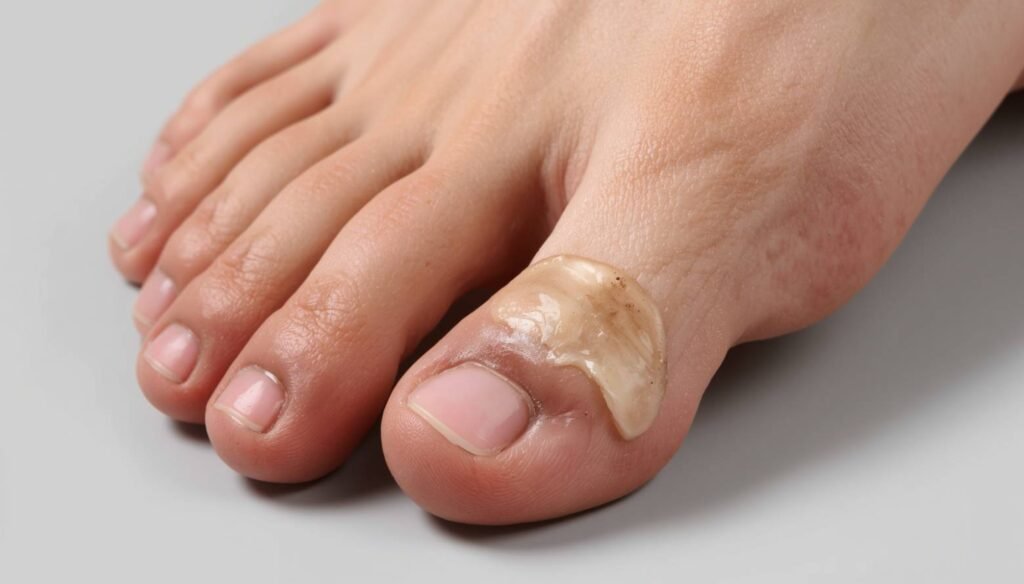
A bunion is a bony bump that forms on the joint at the base of your big toe. It develops when some of the bones in the front part of your foot move out of place. This shift forces the tip of your big toe to pull toward your smaller toes, forcing the joint at the base of your big toe to stick out.
The skin over the bunion can become red, tender, and incredibly sore. While genetics play a significant role in who develops bunions, wearing tight, narrow footwear can worsen the condition or accelerate its progression. Over time, this structural change can make walking in standard shoes highly uncomfortable.
3. Achilles Tendinitis: Strain on the Lower Calf

The Achilles tendon is the largest tendon in the human body, connecting your calf muscles to your heel bone. It is used heavily when you walk, run, climb stairs, or jump. Achilles tendinitis is an overuse injury that results in inflammation of this crucial band of tissue.
This condition typically strikes athletes who suddenly increase the intensity or duration of their runs, or individuals who participate in sports only on weekends.
The pain associated with Achilles tendinitis typically begins as a mild ache in the back of the leg or above the heel after sporting activity.
You might also experience noticeable stiffness in the morning, which generally improves with mild activity.
4. Morton’s Neuroma: Nerve Irritation Between the Toes
Morton’s neuroma is a painful condition that affects the ball of your foot, most commonly the area between your third and fourth toes. It involves a thickening of the tissue around one of the nerves leading to your toes.
Many people describe the sensation of Morton’s neuroma as feeling as though they are standing on a pebble inside their shoe. You might experience a sharp, burning pain in the ball of your foot, or your toes may sting, burn, or feel numb.
High-heeled or tight shoes are frequent contributors to this condition, as they compress the toes and put extra pressure on the surrounding nerves.
5. Metatarsalgia: Inflammation in the Ball of the Foot
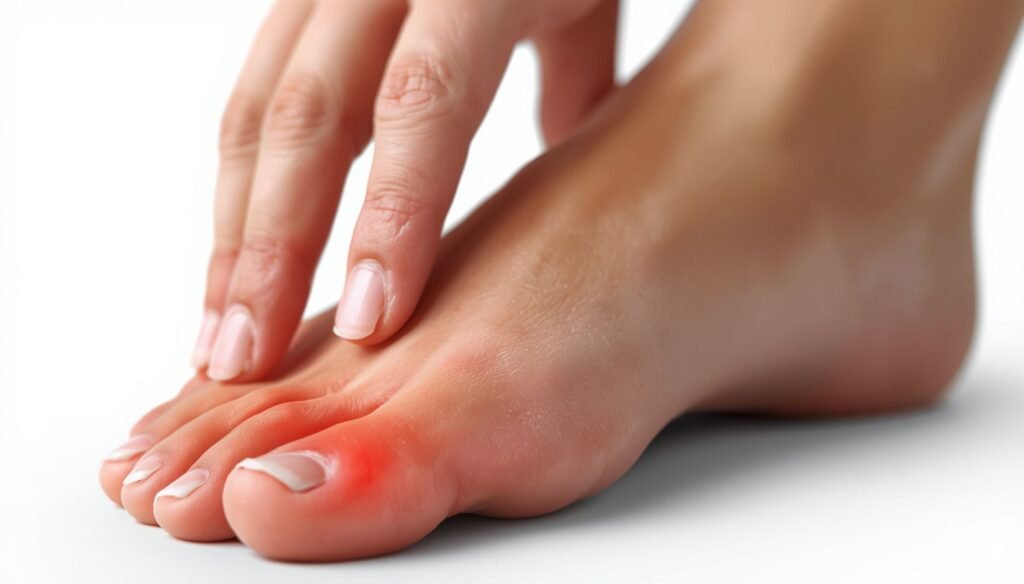
Metatarsalgia is a condition characterized by pain and inflammation in the ball of your foot. It is often considered an overuse injury, frequently affecting people who participate in high-impact activities like running or jumping.
Unlike Morton’s neuroma, which specifically targets a nerve, metatarsalgia is a more generalized bruising and aching of the metatarsal bones.
The symptoms include a sharp, aching, or burning pain just behind your toes. The discomfort usually worsens when you stand, run, flex your feet, or walk barefoot on hard surfaces.
Moving Toward Lasting Relief
Ignoring chronic foot issues can lead to a domino effect of joint misalignment, causing pain in your ankles, knees, hips, and lower back.
Simple lifestyle modifications can make a massive difference. Investing in supportive footwear, incorporating daily stretching routines, and utilizing ice therapy after long periods of standing can help manage mild symptoms.
However, self-care is not always enough to fix structural or chronic issues. If your daily activities are limited by persistent discomfort, scheduling a consultation with a qualified podiatrist in West Valley City can provide you with a tailored treatment plan to restore your mobility and comfort.