
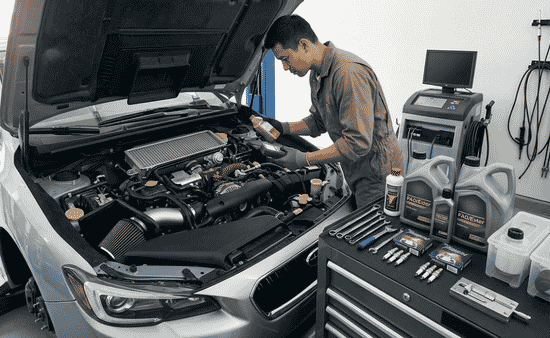
To the average commuter, a vehicle is a utilitarian instrument designed for geographic displacement. It is a tool evaluated by fuel efficiency metrics and cargo volume, operated with passive compliance until a dashboard indicator commands a trip to a mechanic.
For automotive enthusiasts, however, a vehicle is a dynamic, highly interconnected mechanical entity. It is an expression of kinetic engineering that demands conscious stewardship, physical precision, and proactive thermal and chemical regulation.
Enthusiasts understand that factory maintenance schedules represent an absolute minimum threshold designed for statistical averages, not peak mechanical longevity. Keeping a powertrain operating with exceptional fluidity over decades requires moving past basic reactive habits.
True automotive preservation relies on a deep understanding of fluid dynamics, ignition physics, structural component balancing, and atmospheric efficiency. By executing methodical maintenance rituals, enthusiasts shield their machinery from premature fatigue and maintain factory performance levels.
1. Precision Tribology: Moving Past Basic Lube Services
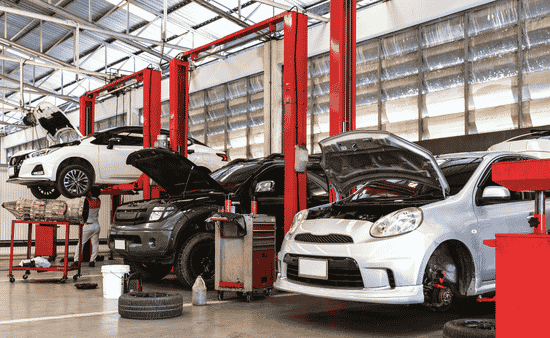
The defining factor separating generic automotive ownership from enthusiast-level stewardship is an obsession with tribology—the science of friction, wear, and fluid interaction. The internal combustion engine operates under brutal thermal stresses, with metal pistons sliding within cast-iron or aluminum cylinder walls thousands of times per minute.
Standard consumer care relies on generic oil change intervals using low-tier conventional lubricants. Enthusiasts bypass these baselines by choosing high-purity, fully synthetic polyalphaolefin (PAO) or ester-based lubricants engineered with specialized anti-wear additives like zinc and molybdenum.
These premium fluids maintain stable shear viscosity even under punishing track environments or mountain climbs, preventing metal-on-metal contact. Furthermore, enthusiasts regularly execute laboratory used oil analyses (UOA). By sending a physical fluid sample to an external laboratory, they can monitor microscopic wear metals, tracking the molecular health of their main bearings and piston rings long before physical symptoms develop.
2. Advanced Drivetrain Fluid Balancing and Hydraulic Integrity
While the engine block serves as the heart of the vehicle, the drivetrain is the complex mechanical bridge that handles the brutal task of routing that raw kinetic energy to the pavement. High-performance manual gearboxes, dual-clutch transmissions (DCTs), and limited-slip differentials operate under intense torsional loading.
A true enthusiast never treats transmission fluid as a lifetime component. Over time, high heat breaks down the friction modifiers inside gear oil, leading to notchier gear synchronization and increased gear tooth pitting. Enthusiasts systematically flush transmission and differential fluid housings well ahead of schedule, removing microscopic metallic shaving debris.
Maintaining pristine hydraulic fluid integrity within brake lines via biannual flushes is equally critical, preventing water absorption—hygroscopicity—that causes pedal fade under hard driving conditions. Among the most effective vehicle maintenance habits that save money, regular brake fluid flushes stand out because they help prevent costly brake system repairs, improve safety, and extend the lifespan of critical hydraulic components.
3. Atmospheric Stewardship, Environmental Health, and Internal Cleanliness

An internal combustion engine is essentially a heavy-duty air pump; its power output is directly proportional to its ability to draw in clean oxygen and expel spent exhaust gases smoothly. Automotive enthusiasts pay close attention to this intake and exhaust cycle, ensuring that the fuel injection pathways and internal combustion chambers remain completely free of power-robbing carbon crusts.
In modern direct-injection engines, fuel no longer washes over the intake valves, leading to a rapid accumulation of sticky carbon deposits that disrupt the fine air-fuel mixture. Enthusiasts combat this mechanical vulnerability by using high-efficiency oil catch cans to trap blow-by vapors and executing regular intake tract decontaminations.
Maintaining this level of internal cleanliness and atmospheric compliance is especially important for performance cars operating in regions with rigorous seasonal vehicle regulations. For example, drivers navigating the high-altitude environments of the Intermountain West must ensure their combustion loops remain perfectly tuned to prevent elevated tailpipe hydrocarbons.
When preparing a modified or vintage vehicle for its mandatory registration cycle, scheduling an advanced emissions test in Orem provides an exceptional diagnostic blueprint. This testing moves past basic legal compliance; it serves as a highly accurate analysis of catalytic converter efficiency and oxygen sensor responsiveness.
Certified testing facilities utilize computerized tailpipe gas analyzers to verify that the engine is burning its fuel completely and cleanly. Identifying slight fuel trim imbalances during an emissions review allows enthusiasts to recalibrate their mass airflow sensors or replace failing fuel injectors early, protecting the engine from running lean and ensuring peak, eco-friendly performance on the open highway.
4. Vigilant Spark, Ignition Tuning, and Combustion Security
To extract maximum thermal energy from every drop of fuel, the electrical delivery system within the ignition coils and spark plugs must function flawlessly. A weak, inconsistent spark results in micro-misfires, which send unburnt raw fuel directly into the expensive catalytic converter substrate, causing it to overheat and melt over time.
Enthusiasts maintain these components with strict precision. They do not wait for a dashboard warning light to indicate a cylinder misfire; they pull spark plugs annually to inspect the physical condition of the ceramic insulators and iridium electrodes.
By reading the distinct coloration of the plug tip—ranging from a healthy light tan to a dangerous ashy white or oily black—an enthusiast can immediately diagnose internal cylinder conditions. They use precise feeler gauges to set exact electrode gaps, ensuring that the high-voltage arc can cleanly bridge the gap under maximum engine boost and compression, preserving perfect combustion cycles.
Conclusion
The long-term reliability of an enthusiast’s vehicle is a direct reflection of structural mindfulness, chemical tracking, and engineering discipline. It is an intentional victory achieved by choosing ultra-pure synthetic lubricants, executing proactive drivetrain flushes, maintaining clean combustion loops through professional emissions diagnostics, and optimizing electrical ignition tolerances.
By rejecting passive ownership habits and treating your vehicle as a highly responsive mechanical sanctuary, you successfully shield your rolling asset from premature wear and structural failure. Investing the time into these advanced maintenance pillars ensures your vehicle stops behaving like a depreciating appliance and transforms into an incredibly resilient, beautifully balanced machine capable of delivering absolute mechanical clarity, raw power, and driving joy for an eternity.