
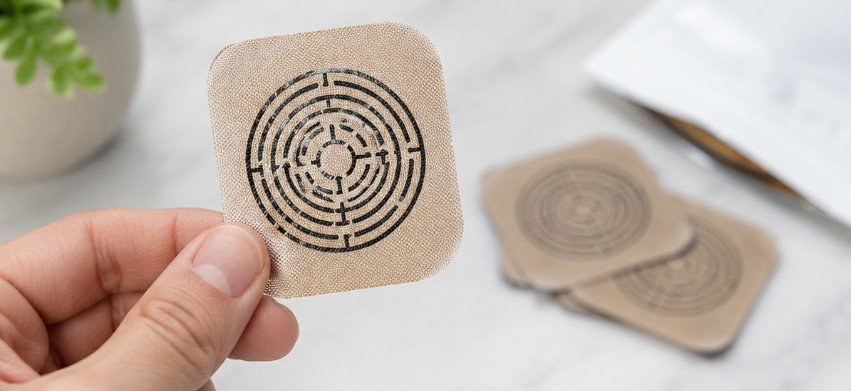
A surprising detail about modern pain management is that some people are looking beyond pills and creams and exploring devices that interact with the body in different ways. The signal relief patch is one such product, designed as a reusable, drug-free wellness device that aims to reduce the feeling of everyday muscle discomfort and body aches without medication.
Unlike traditional pain products that rely on active ingredients, this patch uses a unique material design intended to interact with the body’s natural electrical activity. While many users report feeling temporary relief, understanding what it does, what research says about similar approaches, and where its limits are can help people make smarter choices.
What Is a Signal Relief Patch and Why Are People Using It?
The signal relief patch is a non-invasive wearable patch marketed for people dealing with everyday discomfort, including muscle tension, soreness, and activity-related aches. It does not contain medication, batteries, wires, or chemicals.
The idea behind the product is based on the concept that the body communicates through electrical signals. The patch uses a microscopic antenna-like pattern made with conductive materials. According to the manufacturer, this design is intended to interact with the body’s natural signals and reduce the impact of pain messages traveling through the nervous system.
Pain itself is a complex process. The National Institutes of Health explains that pain involves communication between nerves, the spinal cord, and the brain rather than being a simple signal from an injured area. More information about how pain works is available through the National Institutes of Health Pain Information.
How Does a Signal Relief Patch Work?
The basic concept behind the patch is different from traditional pain relief methods. A pain-relieving cream may use an ingredient that affects skin receptors, while a medication may influence inflammation or nerve activity. A signal-based patch focuses on physical interaction with the body’s signaling environment.
The patch uses a patterned material that acts similarly to a passive antenna. The company states that the design is intended to absorb, redirect, or modify certain signals associated with discomfort.
However, it is important to understand that claims about wearable pain devices vary widely. The human nervous system is complicated, and individual experiences can differ based on the type of discomfort, sensitivity levels, activity habits, and other health factors.
People considering this type of product should view it as one possible wellness tool rather than a guaranteed solution for every type of pain.
What Does Research Say About Drug-Free Pain Relief Devices?
Researchers have studied many non-drug approaches for managing discomfort, including electrical stimulation, wearable technology, physical therapy tools, and behavioral methods. Some approaches have stronger scientific support than others.
For example, the American Physical Therapy Association highlights the role of movement, rehabilitation, and personalized care plans in managing many musculoskeletal conditions.
The biggest takeaway from existing research is that pain relief is highly personal. A product that helps one person may provide limited benefits for another. Factors such as the source of pain, duration of symptoms, and overall health often determine results.
People with ongoing or severe pain should also consider professional medical advice. The patch may be used alongside healthy habits but should not replace evaluation for serious injuries or medical conditions.
What Makes the Signal Relief Patch Different From Traditional Options?
Many people compare wearable patches because they want relief without taking medication. Each option works differently.
| Option | How It Works | Common Consideration |
| Medication patches | Deliver active ingredients through the skin | May involve drug-related precautions |
| Creams and gels | Target surface receptors or inflammation | Require repeated application |
| Heat patches | Provide warmth to relax muscles | Not suitable for every situation |
| Signal-based patches | Use material patterns without drugs | Results may vary by person |
The main difference is that a signal-based patch is designed to provide a drug-free approach. This can appeal to people who prefer avoiding additional medications for occasional discomfort.
How Should You Use a Signal Relief Patch Correctly?
Getting the placement right can influence the experience. Users often find that small adjustments make a difference.
Start with these steps:
- Clean and dry the area where you plan to apply the patch. Oils, lotions, and sweat can affect adhesion.
- Place the patch near the area of discomfort. Some users experiment with nearby positions to find the location that feels most effective.
- Wear it according to the product instructions. Avoid placing it on irritated skin or damaged areas.
- Track your experience. Notice changes in comfort, movement, and daily activities rather than expecting instant results.
A simple personal checklist can help:
- Where is the discomfort located?
- How intense is it before applying the patch?
- Does movement feel easier afterward?
- Does the effect last for several hours?
Keeping notes can help you decide whether the product fits your routine.
Who Might Consider Trying This Type of Wellness Device?
A drug-free patch may appeal to active adults, athletes, workers with physically demanding routines, or people who occasionally experience muscle tightness.
For example, someone who feels shoulder tension after desk work or soreness after exercise may prefer trying a non-medication option before reaching for stronger solutions.
That said, certain situations require medical attention. Sudden severe pain, pain after a major injury, numbness, weakness, chest discomfort, or symptoms that continue for weeks should be evaluated by a healthcare professional.
The Centers for Disease Control and Prevention Chronic Pain Resources provides additional information about managing long-term pain and understanding when professional support may be needed.
Common Misunderstandings About Signal-Based Pain Patches
One common misunderstanding is that a wearable patch can permanently eliminate pain. Most pain-relief products, including non-drug options, are designed to help manage symptoms rather than fix every underlying cause.
Another misconception is that “drug-free” automatically means “proven for everyone.” Drug-free describes what is inside the product, but effectiveness still depends on evidence, individual response, and proper use.
A practical approach is to test the product carefully, observe your own results, and combine it with healthy habits such as stretching, proper posture, sleep, and appropriate physical activity.
Frequently Asked Questions
1. What is a signal relief patch used for?
A signal relief patch is designed to provide temporary comfort for everyday muscle aches, tension, and soreness without using medication or chemicals.
2. Does the patch contain medicine?
No. The product is marketed as drug-free and does not rely on medication ingredients, batteries, or wires.
3. Can it replace medical treatment?
No. It may support comfort but should not replace professional care for serious injuries, chronic conditions, or unexplained pain.
4. How long does the patch last?
The reusable design allows multiple uses, but durability depends on handling, storage, and following the manufacturer’s instructions.
Final Thoughts: A Small Patch With a Bigger Question
The growing interest in the signal relief patch reflects a larger shift toward drug-free wellness options. People want practical tools that fit into everyday life without adding unnecessary medication.
The most realistic approach is curiosity combined with awareness. Try new solutions carefully, understand what they can and cannot do, and pay attention to your body’s response. Sometimes the best relief strategy is not one single product but a thoughtful combination of healthy habits and informed choices.