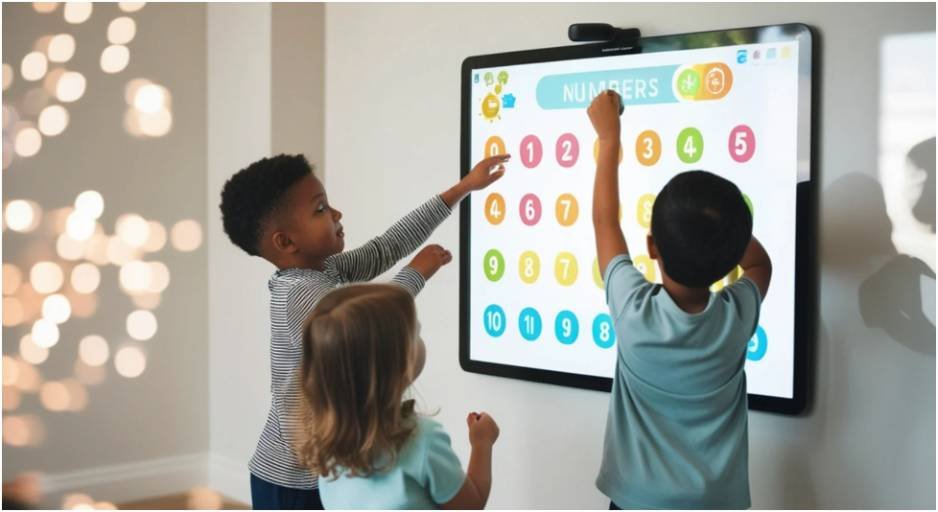

I didn’t realize how powerful digital tools for identity building in children could be until I saw a simple drawing app change how a child described themselves. What started as “just screen time” turned into storytelling, confidence, and real self-expression.
Over time, I built small routines around these tools, and I noticed something important. Kids don’t just consume content. They shape who they are through it. If you guide it right, these tools become identity builders, not distractions.
Why do digital tools for identity building in children matter so much today?
Children grow up in a world where their identity forms both offline and online. I noticed that when kids create something digital, they don’t just make art or code. They start defining who they are and how they see themselves.
Creative tools give them control. Instead of watching someone else’s story, they tell their own. That shift from passive to active changed everything in my routine. I saw more confidence, more curiosity, and better communication.
Social interaction also plays a role. When kids share their creations or collaborate online, they learn where they fit in. They experiment with roles, ideas, and interests in a safe space.
How do creative apps help kids express who they are?
When I introduced drawing and music apps, I didn’t expect much. But within days, I saw kids experimenting with colors, moods, and even personality traits through their creations.
Art apps act like a blank canvas without pressure. Kids try different styles and identities without fear of “messing up.” That freedom builds confidence and encourages exploration.
Music and voice tools add another layer. Kids express emotions they might not say out loud. A simple recording turns into a personal story, and that helps them understand themselves better.
Can storytelling tools really shape a child’s identity?
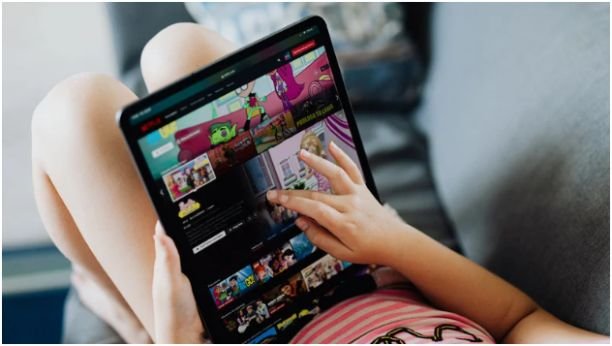
This surprised me the most. Digital storytelling tools helped kids connect their past, present, and future in a way I hadn’t seen before.
When children create digital portfolios or story journals, they start noticing patterns. They see what they enjoy, what they’re good at, and what matters to them. That builds a strong sense of identity over time.
Even small habits like uploading a project or writing a short reflection matter. It turns everyday moments into a narrative. And that narrative becomes part of how they define themselves.
What role do social platforms and coding play in identity building?

I used to think coding was just a technical skill. But platforms where kids share projects changed my perspective completely.
When children build something and share it, they step into a “creator” mindset. They stop thinking like users and start thinking like makers. That identity shift is powerful.
Collaborative platforms also teach social identity. Kids interact, get feedback, and learn how to contribute to a community. They begin to understand their role and value in a group.
Are parental guidance tools really necessary here?
At first, I thought supervision alone was enough. But I quickly realized kids also need guidance, not just rules.
Parental tools and digital citizenship resources help start conversations. They teach kids how to behave online, how to protect themselves, and how to respect others.
This doesn’t limit creativity. It actually strengthens it. Kids feel safer expressing themselves when they understand boundaries and digital responsibility.
How to use digital tools for identity building in children in daily routines

I didn’t overhaul everything at once. I added small, intentional habits that fit naturally into the day with screen time guidlines.
First, I set aside short creative sessions. Ten to fifteen minutes with a drawing or storytelling app works better than long, forced sessions. Kids stay engaged and excited.
Next, I encouraged sharing. Not publicly at first, but within a safe circle. Sharing builds confidence and helps kids see their work as valuable.
Then I mixed tools. One day art, another day storytelling, another day simple coding. This variety lets kids explore different sides of their identity without pressure.
Finally, I made reflection part of the routine. A quick “What did you create today?” conversation helped kids connect their work to their thoughts and feelings.
What tools actually work best for different identity skills?
I tested a mix of tools over time, and I noticed each category supports a different part of identity building.
| Tool Type | What It Builds | Example Use |
| Drawing Apps | Visual identity & creativity | Self-portraits, mood art |
| Avatar Creators | Role exploration | Trying different personalities |
| Storytelling Platforms | Personal narrative | Digital journals, storybooks |
| Coding Communities | Maker identity | Sharing small projects |
| Voice & Music Apps | Emotional expression | Recording thoughts or songs |
I didn’t focus on “best apps.” I focused on what sparked interest. That made the biggest difference.
Why do some kids struggle with identity even with digital tools?
I noticed something important. Tools alone don’t create identity. The environment around them does.
If kids only consume content, they don’t build anything meaningful. They need space to create, explore, and reflect. Without that, digital time stays shallow.
Pressure also plays a role. When kids feel judged or compared, they stop experimenting. Identity building needs freedom, not perfection.
Consistency matters too. Small, regular habits work better than occasional big efforts. Identity forms over time, not in one activity.
Key Takeaways
- digital tools for identity building in children work best when kids create, not just consume
- Short daily routines build stronger identity than long, irregular sessions
- Creative, storytelling, and coding tools each shape different parts of identity
- Safe sharing builds confidence and social awareness
- Guidance matters more than restriction
FAQs
1. How early can kids start using digital tools for identity building?
I’ve seen kids as young as 4 benefit from simple creative apps. Keep it guided and short. Focus on expression, not perfection, and build habits gradually.
2. Do these tools replace real-world identity development?
Not at all. They support it. I treat them as an extension of real-life experiences, not a replacement. Balance both for the best results.
3. How much screen time is ideal for this purpose?
I keep it intentional rather than long. Around 15–30 minutes of focused creative use works better than hours of passive consumption.
4. What if my child loses interest quickly?
That happens often. I switch tools or formats instead of forcing it. Sometimes a different creative outlet reignites curiosity instantly.
This Is Where It Gets Real And Honestly Kind Of Magical
I stopped thinking of screens as the problem and started using them as tools with purpose. That mindset shift changed everything in my routine.
The real win came when kids started saying things like “I made this” instead of “I watched this.” That small change reflects a bigger identity shift.
If you keep it simple, consistent, and creative, these tools can do more than entertain. They can help kids discover who they are. And honestly, that’s worth every minute.