Planning a home renovation in 2026? Make it eco-friendly! By focusing on energy efficiency, water conservation, and sustainable materials, you can create a home that’s both environmentally conscious and cost-effective. In this article, we’ll explore practical eco-friendly renovation ideas that lower your carbon footprint and save you money. Whether you’re enhancing sustainability or boosting resale value, these upgrades, from solar panels to smart thermostats, will benefit both the planet and your wallet. Let’s dive into the key strategies for a greener, more energy-efficient home.
1. Energy Efficiency: Cutting Down on Utility Bills
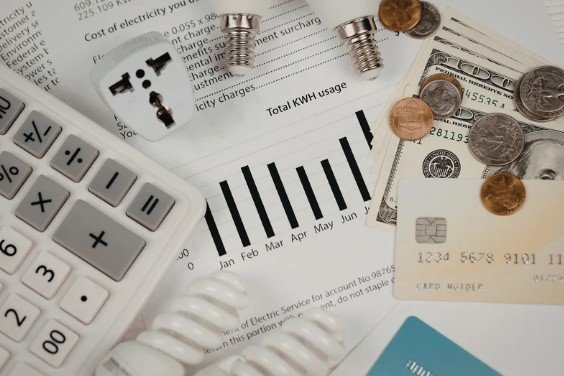
One of the most impactful ways to make your home eco-friendly is by improving energy efficiency. Here are a few key upgrades:
Solar Panels: Harness the Power of the Sun
Installing solar panels on your roof is one of the best ways to power your home with renewable energy. By converting sunlight into electricity, solar panels help reduce your reliance on grid power, lowering your energy bills and carbon footprint. In many cases, you can even earn tax credits or rebates, making solar a smart investment for the future.
- Cost: $15,000 – $30,000 (before incentives)
- Savings: Can reduce energy bills by up to 70%
Insulation: Seal the Deal for Maximum Comfort
Upgrading your insulation is one of the simplest and most effective ways to prevent heat loss, reducing your heating and cooling costs. Use sustainable insulation materials like recycled denim, sheep’s wool, or cellulose.
DIY Tip: Insulating your attic and walls can save you up to 20% on heating and cooling costs annually.
Smart Thermostats: A Smart Home for the Future
A programmable or smart thermostat can help optimize your home’s energy use. These devices adjust the temperature based on your schedule, ensuring you’re not wasting energy when you’re not at home.
Benefit: Save up to 15% on heating and cooling costs annually.
2. Sustainable Materials: Building Green from the Ground Up
Choosing the right materials for your renovation can drastically reduce your home’s environmental impact. Consider these sustainable options:
Bamboo Flooring: The Green Alternative
Bamboo is a renewable resource that grows rapidly, making it an eco-friendly alternative to hardwood. It’s durable, stylish, and easy to maintain, which makes it a popular choice for flooring.
- Longevity: Can last up to 50 years with proper care
- Maintenance: Easy to clean and maintain
Low-VOC Paints: Healthier Homes, Healthier You
Volatile Organic Compounds (VOCs) found in many paints release harmful chemicals into the air. Low-VOC or zero-VOC paints are a safer, eco-friendly option, improving indoor air quality.
Benefit: Better for your health and the environment.
Recycled Materials: Reducing Waste with Style
Recycled glass countertops or reclaimed wood cabinets add a unique touch to your home while reducing the need for new resources. Look for suppliers that use upcycled materials in their products.
Example: Recycled glass countertops made from old bottles or window glass.
3. Water Conservation: Save Resources, Save Money
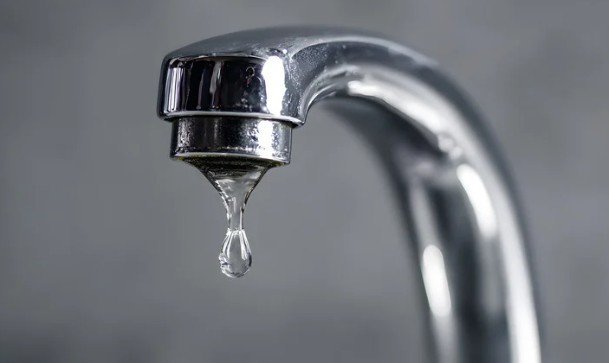
Conserving water is crucial in any home renovation. Not only does it reduce your environmental impact, but it also lowers your water bills.
Low-Flow Fixtures: Small Changes, Big Impact
Installing low-flow toilets, showerheads, and faucets can save thousands of gallons of water per year. These fixtures maintain strong water pressure while using less water, making them an easy and effective upgrade.
- Cost: Around $100 – $300 for each fixture
- Savings: Save up to 13,000 gallons of water annually with a dual-flush toilet.
Rainwater Harvesting: A Green Solution for Outdoor Use
Rainwater harvesting systems allow you to collect rainwater from your roof and store it for use in your garden, landscaping, or even flushing toilets. This simple system can drastically reduce your water consumption.
System Setup: Costs start around $500 for basic systems, but rebates may be available in some areas.
4. Smart Technology: The Future of Eco-Friendly Living
Incorporating smart technology into your home can help optimize energy use, reduce waste, and improve overall efficiency.
Smart Lighting: LED Bulbs for a Brighter Future
LED bulbs use up to 90% less energy than traditional incandescent bulbs, making them a cost-effective and sustainable lighting solution. Pair them with smart lighting systems for automated on/off schedules and dimming controls to save even more.
Benefit: Save up to $75 annually in energy costs by switching to LED bulbs.
Energy-Efficient Appliances: Upgrade for Long-Term Savings
When renovating, consider upgrading to Energy Star-rated appliances. These high-efficiency machines use less water and energy, reducing your carbon footprint and utility bills.
Example: Energy-efficient washing machines, dishwashers, and refrigerators.
5. Sustainable Landscaping: Green Your Outdoors
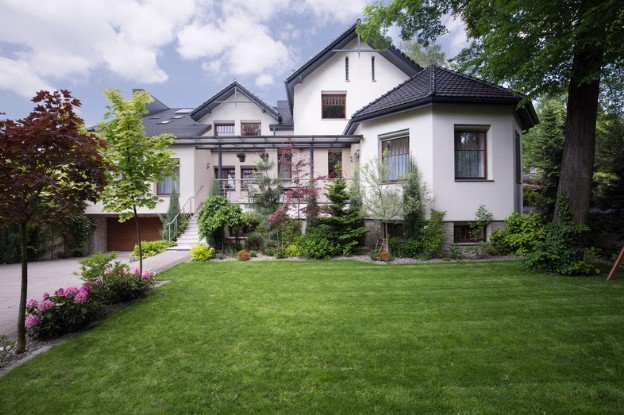
Sustainable landscaping extends to your outdoor spaces. These eco-friendly practices can help conserve resources and reduce your home’s environmental footprint.
Native Plants: A Sustainable Landscape
Planting native trees, shrubs, and grasses reduces the need for fertilizers and pesticides, which are harmful to the environment. Native plants are also more drought-resistant, which means they need less water.
Benefit: Save 20-50% on outdoor water usage.
Permeable Pavers: Let the Rain Soak In
Pervious or permeable pavers allow rainwater to filter into the ground, reducing runoff and helping replenish groundwater. These pavers are perfect for driveways, patios, and walkways.
Environmental Impact: Helps prevent flooding and erosion.
FAQ
How to plan an eco-friendly remodel?
Start by assessing your home’s energy efficiency. Focus on sustainable materials, such as bamboo flooring or low-VOC paints, and prioritize energy-saving upgrades like solar panels and smart thermostats. Don’t forget to consider water conservation with low-flow fixtures and rainwater harvesting.
Can I get eco-friendly home upgrades?
Yes! Many eco-friendly upgrades include installing solar panels, upgrading insulation, using sustainable materials like bamboo, and choosing energy-efficient appliances. You can also incorporate water-saving fixtures and smart technology to reduce consumption.
What adds the most value to a home renovation?
Energy-efficient upgrades, such as solar panels, high-efficiency HVAC systems, and modernized kitchens and bathrooms, typically add the most value. Sustainable materials like reclaimed wood or eco-friendly flooring can also increase your home’s appeal and resale value.
What is a green renovation?
A green renovation focuses on improving the sustainability of your home by reducing energy use, conserving water, and using eco-friendly materials. It includes upgrades like installing solar panels, using non-toxic paints, and enhancing insulation for better efficiency.
Conclusion: Make Your Home a Green Haven
Eco-friendly home renovation ideas are a fantastic way to not only reduce your environmental impact but also create a more comfortable and cost-effective living space. Whether you’re upgrading to energy-efficient appliances, switching to low-flow fixtures, or installing solar panels, each sustainable change you make can have a lasting impact on your home’s efficiency and value.
As we move into 2026, it’s easier than ever to make your home greener. With advances in technology, sustainable materials, and energy-efficient systems, you can renovate your space while being kind to the planet. Start your green renovation journey today!