

A restful night’s sleep is crucial for both your physical and mental well-being, yet many of us struggle to achieve it. Whether it’s stress, poor sleep habits, or an uncomfortable environment, the good news is that small adjustments can lead to big improvements. In this guide, we’ll share actionable tips and expert-backed strategies to help you sleep better, night after night. From establishing a consistent routine to optimizing your sleep space, we’ll cover everything you need to address common sleep challenges like insomnia and restlessness. Ready to unlock the secret to deep, refreshing sleep? Let’s dive in!
Why Consistency is Key for Better Sleep

One of the most crucial habits to adopt for better sleep is consistency. Going to bed and waking up at the same time every day, even on weekends, helps regulate your internal clock. When you maintain a consistent sleep schedule, your body learns when it’s time to sleep and when it’s time to wake up, promoting deeper, more restorative sleep.
Create a Relaxing Wind-Down Routine
You can’t expect to fall asleep easily if you’re still buzzing with energy from the day. A calming pre-sleep routine signals to your body that it’s time to wind down. Aim to start winding down at least 30 minutes before bed. Activities like reading a book, taking a warm bath, or listening to calming music can help ease your transition into sleep. Avoid screens during this time, as the blue light emitted by phones and computers can suppress melatonin, the hormone that helps you sleep.
Optimize Your Sleep Environment
A dark, cool, and quiet environment is essential for a restful night. Make your bedroom an ideal sleep space by:
- Keeping the room cool, ideally between 60°F and 67°F (15°C – 19°C).
- Using blackout curtains to block out any external light.
- Minimizing noise using earplugs or a white noise machine.
Additionally, ensure your mattress and pillows are supportive and comfortable. The goal is to create a space where your body can fully relax without distractions.
Diet and Exercise: A Balance for Better Sleep
What you eat and how active you are during the day can significantly impact your sleep quality. Here are some tips for balancing diet and exercise to enhance your sleep:
- Avoid Caffeine and Large Meals: Stay away from caffeine in the afternoon and evening, and try to finish large meals at least three hours before bed. Both can disrupt your ability to fall asleep or stay asleep.
- Regular Exercise: Incorporate regular physical activity into your day, but try to finish intense workouts at least 2–3 hours before bedtime. Exercise promotes deeper sleep but exercising too close to bedtime can increase adrenaline and keep you awake.
- Limit Alcohol and Nicotine: While alcohol might make you feel drowsy, it can disrupt your sleep cycle, leading to more wake-ups during the night. Similarly, nicotine is a stimulant that can prevent you from falling asleep and staying asleep.
Embrace the “10-3-2-1-0” Rule for Sleep Success

The “10-3-2-1-0” rule provides a structured approach to preparing your body for rest:
- 10 hours before bed: Stop consuming caffeine.
- 3 hours before bed: Finish your last large meal and avoid alcohol.
- 2 hours before bed: Cease mentally taxing work or stressful tasks.
- 1 hour before bed: Power down all electronic devices to avoid blue light.
- 0 times: Avoid hitting the snooze button to prevent grogginess the next morning.
Daytime Habits for Nighttime Success
Your habits during the day also play a key role in how well you sleep at night. Incorporating these strategies can help set you up for success:
- Morning Sunlight: Get at least 15-30 minutes of natural sunlight exposure in the morning. Sunlight helps set your circadian rhythm, signaling your body that it’s time to be awake and alert.
- Napping: If you need to nap during the day, limit it to 20–30 minutes and avoid napping after 3:00 PM to ensure you’re tired enough for a restful night.
Managing Stress for Better Sleep
Stress and anxiety can wreak havoc on your sleep quality. Here are some techniques to manage stress and clear your mind before bed:
- Worry Time: Set aside a specific time earlier in the day to jot down any worries or to-do lists. This prevents you from carrying them into bed.
- Breathing Techniques: Practices like the 4-7-8 breathing technique (inhale for 4 seconds, hold for 7, and exhale for 8) can help calm your nervous system and prepare your body for sleep.
Smart Sleep Habits for Insomnia
If you find yourself tossing and turning at night, it might be time to tweak your sleep habits further. Here are a few tips for overcoming insomnia:
- Don’t Stay in Bed If You Can’t Sleep: If you can’t fall asleep after 20 minutes, get up and do a quiet activity, like reading or listening to calming music, in dim light. Avoid looking at the clock, as it can cause anxiety.
- Create a “Sleep Only” Bedroom: Your bed should be reserved for sleep and intimacy only. Avoid working, eating, or watching TV in bed. This helps your brain associate the bed with rest.
Other Tips for Better Sleep
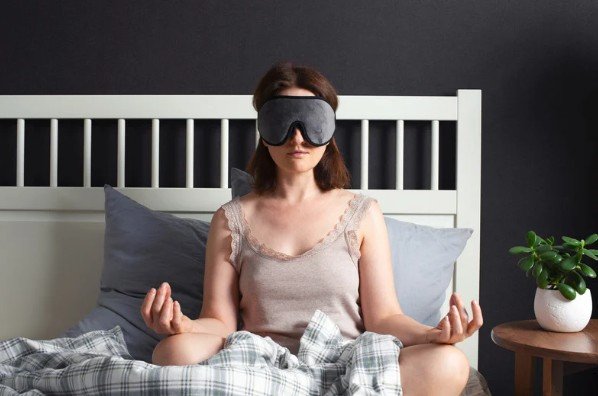
- Keep Naps Short: If you nap, try to keep it under an hour, and avoid late-afternoon naps to maintain your natural sleep-wake cycle.
- Sleep Aids: While it’s best to rely on natural sleep habits, if needed, consider using sleep aids like herbal teas or melatonin supplements, but always consult with a healthcare professional.
FAQs
1. What are the best habits to improve sleep?
The best habits include maintaining a consistent sleep schedule, creating a relaxing bedtime routine, keeping your bedroom cool, dark, and quiet, limiting screen time before bed, and avoiding caffeine and large meals late in the day.
2. What is the 10-4-3-2-1 sleep rule?
The 10-4-3-2-1 sleep rule is a guideline to improve sleep quality:
- 10 hours before bed: Stop caffeine.
- 4 hours before bed: Finish large meals and alcohol.
- 3 hours before bed: Avoid working or mentally stressful tasks.
- 2 hours before bed: Power down screens.
- 1 time: Avoid hitting the snooze button.
3. What is the 3-2-1 bedroom method?
The 3-2-1 bedroom method helps improve sleep by:
- 3 hours before bed: Avoid large meals.
- 2 hours before bed: Stop physical activity.
- 1 hour before bed: Turn off all screens and electronics.
4. What are 5 things you can do to help improve your sleep?
- Stick to a consistent sleep schedule.
- Create a relaxing bedtime routine.
- Keep your bedroom cool, dark, and quiet.
- Avoid caffeine and heavy meals before bed.
- Get regular exercise, but not too close to bedtime.
Conclusion
Adopting healthy habits for better sleep is about more than just getting enough hours of rest; it’s about improving the quality of your sleep so that you wake up feeling refreshed and energized. By creating a consistent sleep routine, optimizing your sleep environment, and managing daytime habits, you can achieve deeper, more restorative sleep every night. Make sleep a priority and watch how it positively impacts your overall health and productivity.