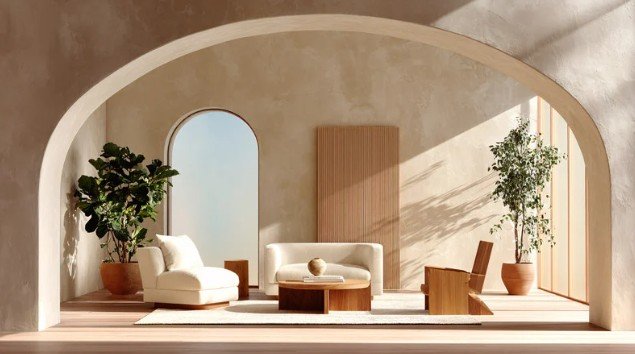
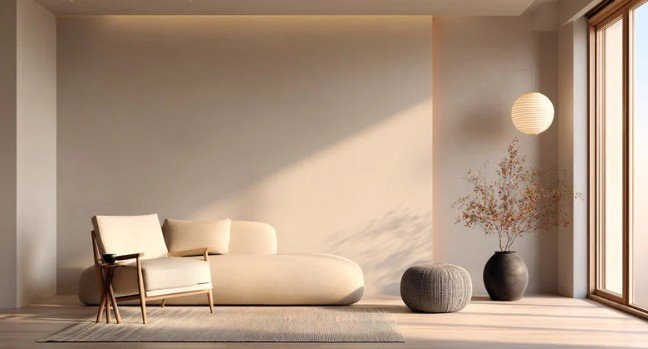
Creating a minimalist living space is all about prioritizing function, beauty, and calm. It involves simplifying your home by reducing unnecessary items, choosing a neutral color palette, and incorporating furniture that serves multiple purposes. By focusing on quality over quantity, you create a more intentional environment that fosters relaxation and clarity. This guide will help you transform your home into a peaceful sanctuary, where everything has a purpose, and clutter is eliminated, allowing you to truly enjoy the space you’ve curated.
Start with Decluttering: The Foundation of Minimalism
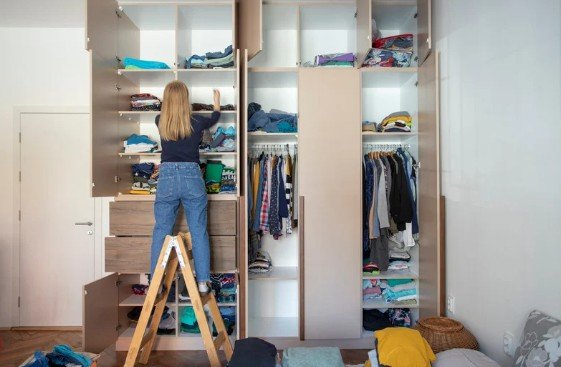
Why Decluttering is Essential
The first step in creating a minimalist space is to declutter. A minimalist home isn’t just about fewer items; it’s about keeping only those things that add value or bring joy. By removing excess, you create room for what truly matters.
Tips to Declutter Your Home:
- Start Small: Tackle one room or even one drawer at a time to build momentum.
- The 80/20 Rule: Fill only 80% of your available storage space. Keep 20% free to promote airiness.
- Ask Key Questions: Do I need this? Do I love it? Does it serve a real purpose?
- Temporary Box: If you’re unsure, box up items and revisit them in six months. If you haven’t missed them, it’s time to let them go.
- Digitalize Paperwork: Scan important documents to reduce paper clutter.
By focusing on these steps, you’ll be able to drastically cut down on unnecessary items and start the process of creating a minimalist living space.
Simplifying Your Decor: Less is More
Choose a Neutral Color Palette
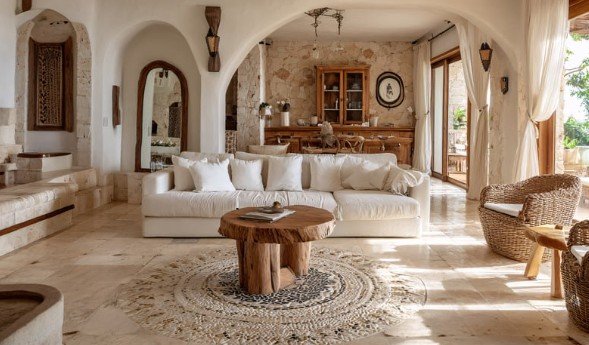
The foundation of a minimalist aesthetic is a neutral color scheme. Think whites, beiges, and grays. These colors reflect light and create an open, airy feel, allowing the space to feel larger and more serene.
How to Incorporate a Neutral Palette:
- Walls: Paint walls in light shades to make the room feel expansive.
- Furniture: Opt for furniture in neutral tones and textures, such as wood, stone, or linen, which add natural warmth without overwhelming the senses.
Add Texture for Warmth
While minimalism favors simplicity, it can still feel cozy with the right textures. Add rugs, throws, and pillows made from natural materials like wool or cotton to soften the clean lines of your space.
Textures to Use:
- Linen or cotton throws
- Wool rugs
- Wood, stone, or metal finishes for a tactile, layered look
Invest in Multi-Functional Furniture
In minimalist homes, furniture should do more than just look good. It needs to be functional, offering storage or flexibility. Pieces like ottomans with hidden storage or nesting tables that double as extra surfaces help keep clutter at bay while maintaining a sleek look.
Organize for Simplicity: Everything in Its Place
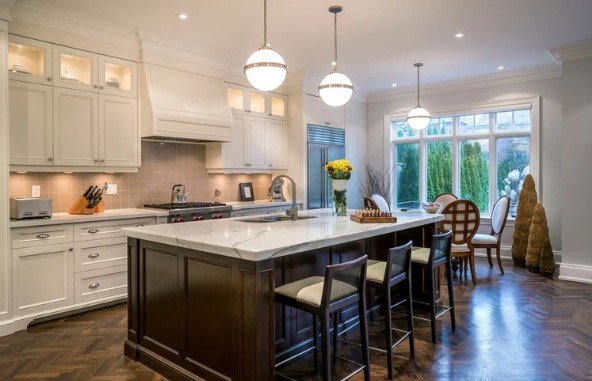
Maximize Storage and Space
One key to maintaining a minimalist living space is smart storage solutions. The goal is to keep surfaces clear and organized. Invest in furniture with built-in storage like bookshelves with closed compartments, coffee tables with hidden storage, or storage benches.
Storage Solutions:
- Floating shelves to keep floor space open
- Closed storage units to keep clutter hidden
- Under-bed storage bins for seasonal items
The One-In, One-Out Rule
This simple rule helps maintain a minimalist lifestyle over time. For every new item you bring into your home, get rid of something you no longer need. This helps you avoid accumulating unnecessary possessions.
Embrace Open Spaces: Less is More
The Power of Clean Lines
Opt for furniture with simple, clean lines and avoid overly decorative or bulky items. The goal is to create a space that feels open, calm, and uncluttered.
Furniture Choices:
- Choose slim-profile sofas and chairs.
- Avoid heavy, ornate furniture.
- Look for sleek, modern designs that fit the minimalist ethos.
Don’t Overfill Your Space
One of the core principles of minimalism is to avoid overcrowding a room. Keep your layout open with ample breathing room between furniture pieces. This creates a sense of calm and space.
Tip: Leave some empty space around furniture pieces to let the room breathe.
Maintain a Minimalist Lifestyle: Keep It Simple
Daily Reset: Stay Organized
Minimalism is a lifestyle, not just a design trend. Set aside a few minutes each day to reset your space. Put away items that have accumulated throughout the day, and ensure everything is back in its designated place.
Create a Habit: Spend 5–10 minutes every evening straightening up your home.
The Power of Regular Audits
Periodically, revisit your belongings and assess whether they still serve a purpose. This helps prevent clutter from creeping back into your home.
How to Do It:
- Every three months, go through your items and ask yourself: “Do I need this?”
- Get rid of things that no longer serve a function or bring joy.
Overcoming Common Minimalism Challenges
Objection: “I Love My Stuff, But I Don’t Want Clutter”
It’s common to feel attached to your belongings, but remember that minimalism isn’t about getting rid of everything you love. It’s about keeping only what truly adds value. Approach decluttering as a way to enhance your connection with your favorite things by eliminating distractions.
Objection: “A Minimalist Home Will Feel Empty”
A minimalist home may feel “bare” at first, but the goal is to create a space that feels peaceful and calm. Adding warmth through natural textures, strategic lighting, and personal touches (like one or two pieces of meaningful art) will help make the space feel inviting without clutter.
FAQs on Minimalism
1. What is the 5-7 Rule in Minimalism?
The 5-7 rule suggests limiting the number of items in a room to 5-7 key pieces of furniture or decor. This ensures a clean, uncluttered space while allowing functionality.
2. What is the 30/30 Rule for Minimalists?
The 30/30 rule encourages minimalists to spend no more than 30 minutes a day maintaining their space and keep no more than 30 possessions per category (e.g., 30 books, 30 clothes) to avoid excess.
3. How Many Colors Should Be in a Room?
Minimalist rooms typically use no more than 3-4 colors. A neutral base with one or two accent colors creates a clean, balanced space without overwhelming the senses.
4. What Are Common Minimalist Living Room Mistakes?
Common mistakes include overcrowding the space with too many items, choosing uncomfortable furniture for the sake of aesthetics, and neglecting functional storage solutions.
Conclusion: Create Your Own Minimalist Sanctuary
Creating a minimalist living space isn’t just about removing items. It’s about thoughtfully curating your environment to reflect your values, enhance functionality, and promote peace. By simplifying your decor, prioritizing quality over quantity, and keeping your space organized, you can create a home that feels as serene as it is beautiful.