
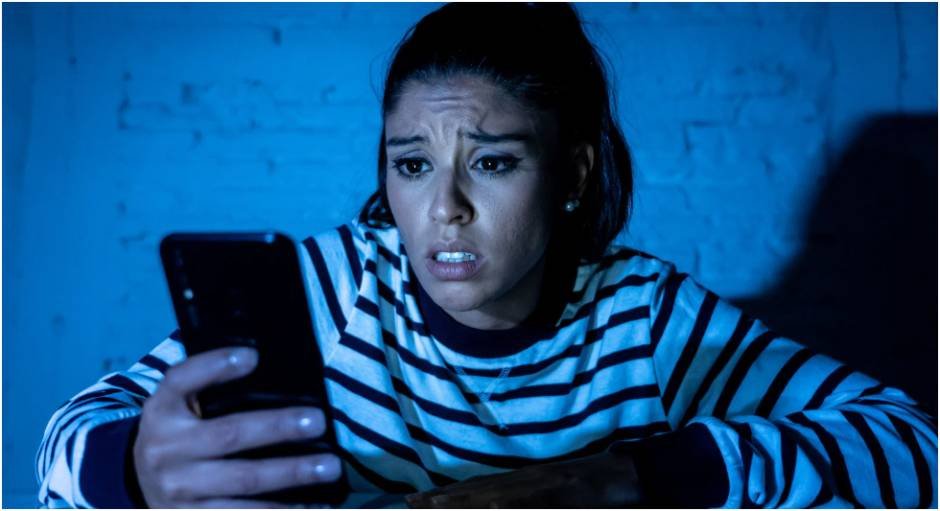
I still remember the first time I had to figure out how to handle a cyberbullying incident. It wasn’t dramatic at first. Just a few comments. Then screenshots. Then it spread faster than I expected.
That moment taught me something important—cyberbullying doesn’t stay “online.” It follows you into your day, your mood, your confidence. And if you don’t act fast, it grows.
Now I treat it like a routine. Not panic. Not overreaction. Just a clear set of steps that protect me and anyone I care about.
Key Takeaways
- I never respond emotionally because it fuels the bully
- I always screenshot and save everything immediately
- I block fast and report faster
- I involve the right people when it crosses a line
- I focus on mental reset, not just digital cleanup
Why Does Knowing How to Handle a Cyberbullying Incident Matter So Much?

Cyberbullying hits differently because it doesn’t stop when your day ends. It shows up in your notifications, late at night, when you’re alone. That constant access changes everything.
I’ve noticed that the emotional impact builds quietly. It starts with irritation, then turns into anxiety. You start checking your phone more often, expecting something negative. That’s when it becomes more than just “comments.”
The biggest shift for me came when I realized this isn’t just about blocking someone. It’s about protecting your mental space, your routine, and your confidence.
What Should You Do First in How to Handle a Cyberbullying Incident?
The first instinct most people have is to respond. I used to feel that too. You want to defend yourself, explain, or call it out.
But every time I resisted that urge, things stayed under control. The moment you reply emotionally, the situation escalates. That’s exactly what the bully wants.
Instead, I switch into action mode. I screenshot everything. Messages, usernames, timestamps. I don’t wait. Content disappears fast, and proof matters later.
Then I block. No hesitation. Blocking isn’t weakness. It’s control.
How Does Documentation Change the Outcome?
Documentation is the one thing people underestimate. I didn’t take it seriously at first, and I regretted it.
Now I treat screenshots like insurance. I organize them, keep them backed up, and make sure they show context. If things escalate, this becomes your strongest tool.
Here’s how I think about it:
| Action | Why It Matters |
| Screenshot messages | Preserves proof before deletion |
| Save profile links | Identifies the source |
| Note timestamps | Builds a timeline |
| Store backups | Protects against data loss |
This habit turns a chaotic situation into something structured and manageable.
When Should You Report or Escalate the Situation?

I don’t wait too long to report anymore. Platforms take time to respond, so I act early.
Every major platform has reporting tools. I use them immediately. It sends a clear signal that the behavior won’t continue unchecked.
But there’s a line where reporting isn’t enough. If I see threats, harassment, blackmail, or anything involving safety, I escalate. That means involving school authorities, parents, or even law enforcement if needed.
That shift matters. Because at that point, it’s not just bullying—it’s a serious issue.
How to Handle a Cyberbullying Incident Without Letting It Mess With Your Head?
This part surprised me the most. The digital steps are easy. The mental impact takes more effort.
I noticed that the more I stayed online during a situation, the worse I felt. Constant checking made everything heavier. So I changed my routine.
I limit screen time when things get intense. I step away. I spend time offline doing something that resets my mind—walking, working out, even just sitting without my phone.
I also became more selective about who I interact with online. If someone thrives on negativity, I remove that energy completely.
That shift helped me regain control faster than anything else.
How Do Parents Support Kids Through a Cyberbullying Situation?

If you’re a parent, your reaction shapes everything. I’ve seen situations where kids stayed silent because they feared losing their phone.
That’s the worst outcome.
The best approach I’ve seen—and recommend—is calm listening. No panic. No punishment. Just support.
When kids feel safe, they open up. And when they open up, you can actually help.
I always suggest parents focus on collaboration. Let the child be part of the solution. Whether it’s reporting, blocking, or involving the school, that shared control builds trust.
You can also guide them using habits like digital safety tips for kids and parents and practical routines like how to keep kids safe online to prevent future issues.
How to Handle a Cyberbullying Incident Step by Step (My Real Routine)
When I deal with a situation, I follow the same sequence every time. It keeps things simple and effective.
First, I pause and don’t respond. I give myself a moment so I don’t react emotionally.
Then I capture everything. Screenshots, links, profiles. I don’t assume it will still be there later.
Next, I block the account immediately. I remove access before things grow.
After that, I report the content on the platform. I don’t delay this step because moderation takes time.
If the situation involves threats or serious harassment, I escalate. I involve the right people based on the severity.
Finally, I reset my environment. I step away from the platform, limit exposure, and focus on things that bring me back to normal.
This routine has worked every single time.
Where Can You Get Help If Things Feel Overwhelming?

There are moments when handling it alone feels too heavy. I’ve been there.
In those situations, reaching out changes everything. Whether it’s a trusted adult, a friend, or a professional support line, talking helps you process what’s happening.
In the US, the Suicide & Crisis Lifeline is available for immediate emotional support. Globally, organizations like Child Helpline International can guide you to local help.
You don’t have to carry it alone. And honestly, you shouldn’t.
What Are the Early Signs You Shouldn’t Ignore?
I’ve learned to spot the warning signs early, and that makes a big difference.
If you feel anxious checking your phone, if you start avoiding social apps, or if your mood drops after going online, something isn’t right.
For kids, it can show up as withdrawal, secrecy, or sudden changes in behavior. Those signs matter.
Catching it early makes it easier to manage before it escalates into something bigger.
Why Ignoring the Bully Actually Works Better Than Fighting Back?
It feels counterintuitive at first. You want to stand your ground.
But cyberbullies thrive on attention. When you don’t respond, they lose momentum.
I’ve seen situations fade out simply because there was no reaction. No drama. No engagement.
That doesn’t mean you stay silent forever. You still document and report. You just don’t give them what they’re looking for.
FAQs About How to Handle a Cyberbullying Incident
1. Should I respond to a cyberbully or ignore them?
I always ignore direct responses. Reacting gives them attention and can escalate things quickly. Instead, I document everything, block them, and report the behavior so it’s handled the right way.
2. What kind of evidence should I collect?
I collect screenshots of messages, usernames, timestamps, and profile links. The more complete the record, the easier it becomes to report or escalate the situation if needed.
3. When should I involve parents or authorities?
If there are threats, harassment, or anything that feels unsafe, I involve adults or authorities immediately. For minors, telling a parent or school early helps prevent things from getting worse.
4. Can cyberbullying affect mental health long-term?
Yes, it can. I’ve seen it cause anxiety, stress, and low confidence. That’s why I focus on both digital actions and mental reset, like limiting screen time and talking to someone I trust.
The Real Talk You Didn’t Ask For (But Need)
Handling how to handle a cyberbullying incident changed how I use the internet completely.
I stopped seeing online spaces as neutral. I started treating them like environments I actively manage. Who I follow, what I engage with, how I respond—it all matters.
You don’t need to be perfect. You just need a system.
And once you have that system, situations that once felt overwhelming start to feel manageable.
My biggest tip? Don’t wait until it gets serious. Build these habits now.
Because the best way to handle it… is to already know what you’ll do.