
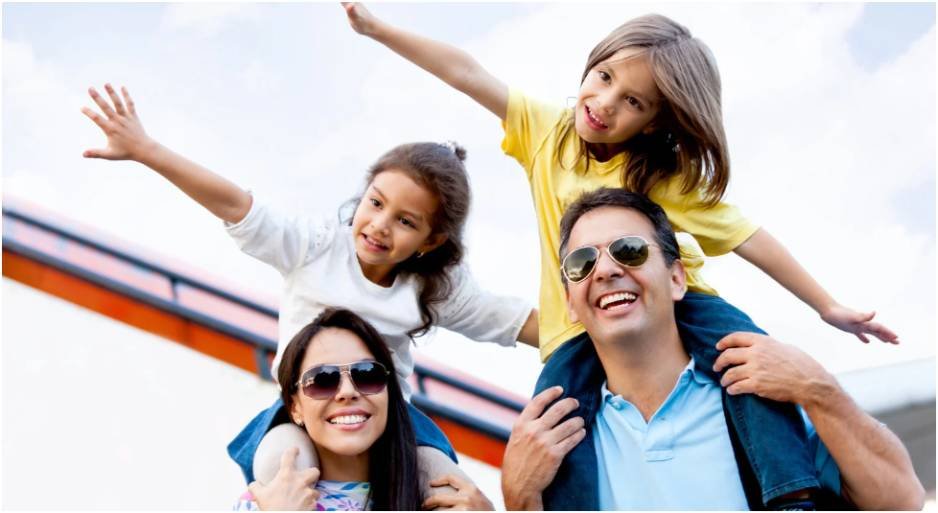
Trips used to feel like a checklist for me—pack, fly, see landmarks, take photos, repeat. Everything looked great on camera, but something always felt missing. Then one trip changed everything. I slowed down, paid attention to everyday moments, and realized how powerful travel can be for kids. That’s when I started focusing on how to teach kids about different cultures while traveling, and honestly, it made every trip more meaningful.
Now, I don’t just plan destinations. I plan experiences that help my kids understand the world—not just see it. And the best part? It doesn’t require fancy tours or expensive add-ons. It’s all about small, intentional choices.
Why Does How to Teach Kids About Different Cultures While Traveling Matter So Much?
When kids travel without context, they just see “different.” When they travel with intention, they start to understand “why.” That shift builds empathy, curiosity, and respect in ways no classroom can match.
I’ve noticed that when my kids interact with real people—whether at a local market or a playground—they stop judging and start asking questions. That curiosity becomes the foundation for lifelong learning.
Travel also breaks routines in the best way. Kids see new food, languages, and lifestyles, and suddenly their world feels bigger. That kind of exposure sticks with them far longer than any souvenir.
How Do I Prepare My Kids Before Traveling to a New Culture?
Preparation changed everything for us. Instead of surprising my kids with a new place, I started building excitement before we even packed.
I usually begin with simple stories. A children’s book or even a short folktale about the destination helps them imagine what life feels like there. It creates a connection before the trip even starts.
Then I show them the place. We explore maps or use virtual tools to “walk through” streets and landmarks. When we finally arrive, nothing feels overwhelming—it feels familiar.
Food also plays a huge role. I try introducing one or two dishes before we travel. It lowers resistance and turns curiosity into excitement instead of hesitation.
What Happens When You Focus on How to Teach Kids About Different Cultures While Traveling?
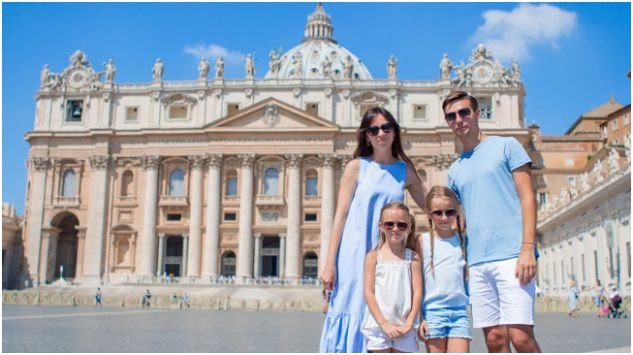
The biggest shift happens in how kids observe the world. They stop rushing and start noticing.
I ask simple questions throughout the day. Things like, “Why do you think houses look like this here?” or “What feels different about this store?” These small conversations spark deeper thinking without feeling like a lesson.
I also encourage journaling, but I keep it light. Sometimes it’s just a quick drawing or a few words before bedtime. Those reflections help kids process what they experienced instead of forgetting it.
The most surprising part? Kids often notice things adults miss. They pick up on emotions, interactions, and tiny cultural details that turn into meaningful conversations later.
How Can Daily Experiences Make Cultural Learning Feel Natural?
The real magic happens outside tourist spots. That’s something I learned quickly.
I started choosing local experiences over convenience. Instead of taxis, we use buses or trains. Instead of chain restaurants, we explore neighborhood food spots. These choices create organic learning moments.
Markets have become one of our favorite stops. Kids get to see what locals buy, how people interact, and what daily life looks like. It feels real, not staged.
And then there’s playtime. Parks are universal. I’ve watched my kids connect with others without sharing a language. They run, laugh, and invent games together. That moment always reminds me—connection doesn’t need translation.
How Do I Teach Respect and Cultural Awareness on the Go?
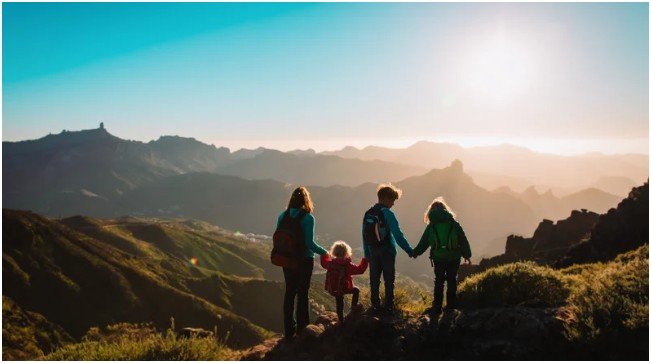
This part matters more than anything else. Exposure without respect doesn’t teach much.
I model behavior first. If we enter a quiet space like a temple or church, I lower my voice and explain why. Kids follow what they see more than what they hear.
We also talk about clothing and customs before visiting certain places. I involve my kids in that conversation so they understand the reason behind it, not just the rule.
I also make one rule clear: always ask before taking someone’s photo. It’s a simple habit, but it teaches respect instantly.
How to Teach Kids About Different Cultures While Traveling Step by Step
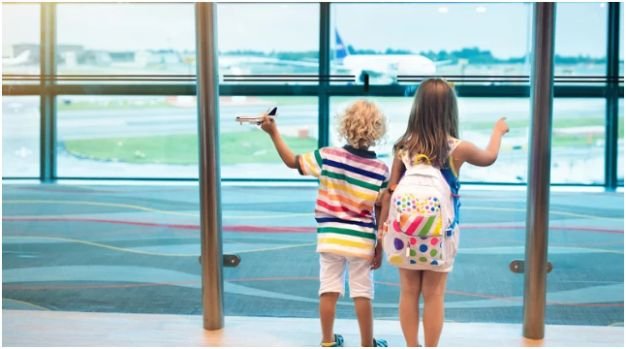
I follow a simple routine that works on almost every trip, and it keeps things natural instead of overwhelming.
First, I set the tone before we leave. I introduced the culture through stories, food, and simple conversations so curiosity starts early while traveling with kids internationally. This step makes everything else easier.
Next, once we arrive, I slow things down. Instead of rushing through attractions, I leave space for everyday experiences. We walk more, observe more, and stay present in the moment.
Then I ask questions throughout the day. I don’t lecture or explain everything. I guide their thinking with simple prompts that encourage curiosity.
After that, I create a small reflection habit. At night, we talk about one thing that felt different and one thing that felt familiar. This keeps the experience meaningful.
Finally, I model respect consistently. Kids learn cultural awareness by watching how I behave in real situations.
What Are the Biggest Benefits of Teaching Culture Through Travel?
Here’s what I’ve personally seen change over time:
| Experience Type | What Kids Learn | Long-Term Impact |
| Local Markets | Daily habits & food culture | Openness to new experiences |
| Public Transport | Social behavior & routines | Adaptability |
| Parks & Playgrounds | Communication beyond language | Social confidence |
| Cultural Sites | History & traditions | Respect for diversity |
These lessons don’t feel like lessons. They feel like memories—and that’s why they stick.
What Challenges Should You Expect (And How I Handle Them)?
Not every moment feels magical. Some days feel messy, and that’s okay.
Kids might resist unfamiliar food or feel overwhelmed. When that happens, I don’t force it. I give them time and introduce things gradually.
There are also moments of cultural misunderstanding. I treat those as learning opportunities, not mistakes. We talk about it, adjust, and move forward.
The key is patience. Cultural learning doesn’t happen in one perfect moment—it builds slowly over the entire trip.
So… Is This the Travel Upgrade You Didn’t Know You Needed?
Once I started focusing on how to teach kids about different cultures while traveling, every trip felt richer. Not bigger, not more expensive—just more meaningful.
The best memories we’ve created didn’t come from famous landmarks. They came from small, quiet moments—sharing food, watching daily life, or seeing my kids connect with someone completely different from them.
If you take one thing from this, keep it simple. You don’t need a perfect plan. You just need to stay curious, stay present, and let your kids experience the world as it truly is.
Key Takeaways
Teaching culture through travel doesn’t require extra planning—it requires intention.
Small habits like asking questions, choosing local experiences, and modeling respect create the biggest impact.
The goal isn’t to teach everything. The goal is to help kids see, feel, and understand the world beyond their own.
FAQs
1. How early should I start teaching kids about cultures while traveling?
As early as possible. Even young kids can notice differences in food, language, and routines. Keep it simple and age-appropriate so it feels fun, not overwhelming.
2. What if my child resists trying new things?
That’s normal. I never force it. I introduce new experiences slowly and let curiosity build naturally over time. Familiarity usually reduces resistance.
3. Do I need to plan special cultural activities?
Not really. Everyday experiences like markets, transport, and parks often teach more than structured tours. Focus on real-life interactions instead.
4. How can I make learning stick after the trip?
I revisit memories through photos, stories, and simple conversations. Reflection helps kids connect experiences to understanding long after the trip ends.