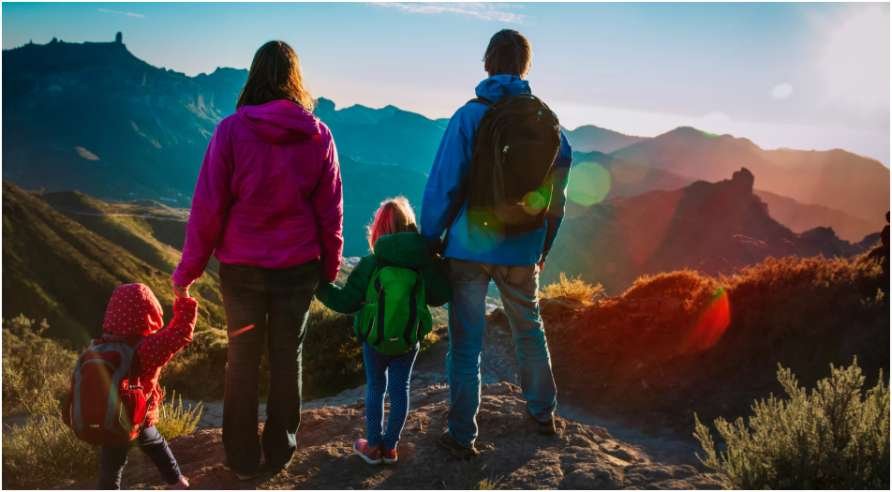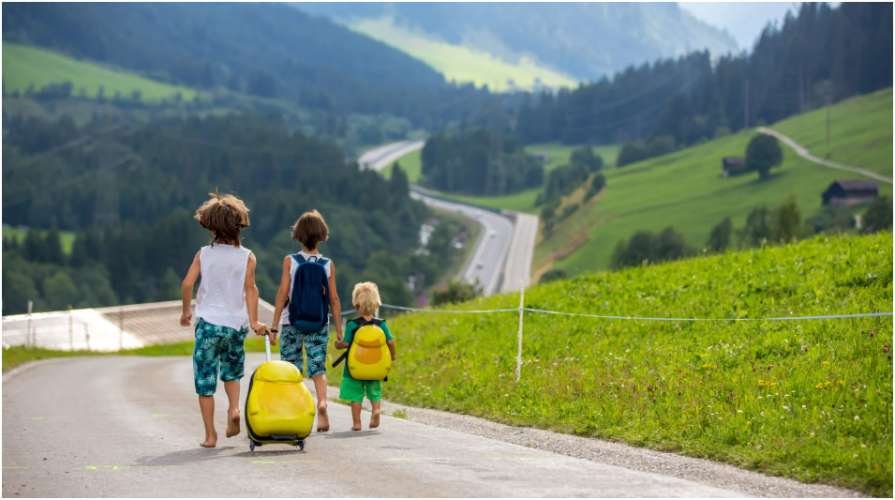
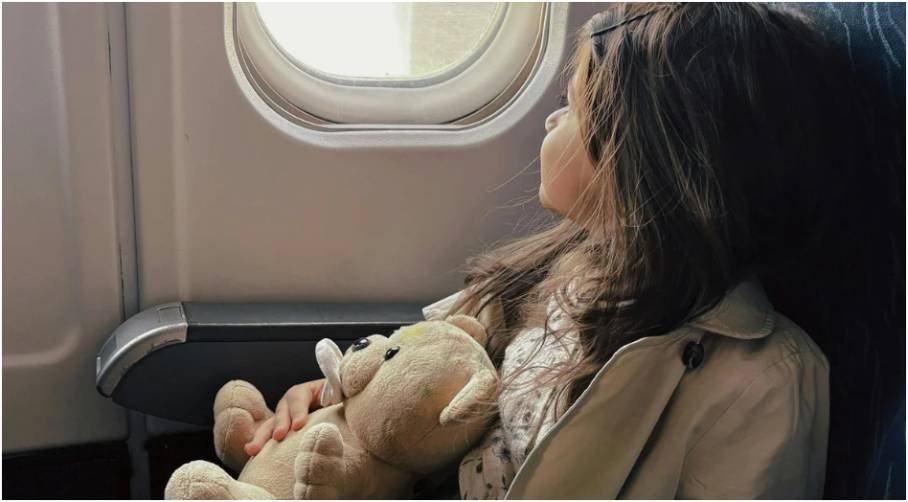
I didn’t expect it at first, but the more we traveled, the more I started noticing subtle shifts in my kids. Their confidence changed. Their questions became deeper. That’s when I truly understood how travel builds identity in children—not through big lessons, but through small, everyday experiences.
What surprised me most is that it didn’t require luxury trips or perfect plans. It came from missed trains, trying new foods, and figuring things out together. Those moments shaped who they are becoming in ways I could never replicate at home.
Why Does How Travel Builds Identity in Children Start With Confidence?
I noticed confidence in children showing up in the smallest ways. My kids began making decisions without looking at me for approval every second. Even something simple like ordering food became a big step forward.
When we visited unfamiliar places, they had to adapt quickly. They packed their own bags, kept track of their belongings, and started taking responsibility for their choices. That independence didn’t come from lectures—it came from doing.
Over time, I saw a shift in how they viewed themselves. They stopped saying “I can’t” and started saying “I’ll try.” That change alone made me realize how travel builds identity in children through real-world confidence and teaches them different cultures while traveling.
How Does Travel Build Identity in Children Through Challenges?
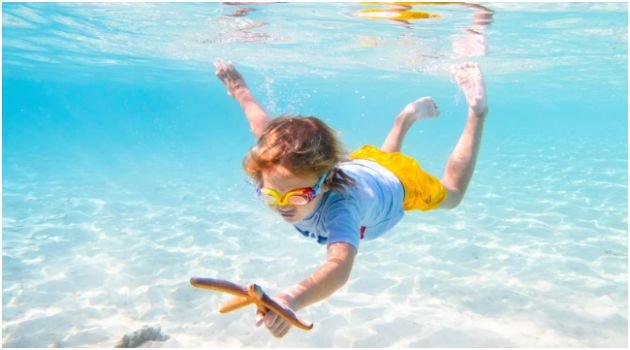
Travel never goes exactly as planned. Flights get delayed, plans change, and things don’t always work out. I used to see these moments as stressful, but now I see them as growth opportunities.
When something went wrong, I didn’t fix everything immediately. I gave my kids space to think and respond. They started suggesting solutions, staying calm, and adjusting without panic.
Those messy moments taught them resilience. They learned that discomfort doesn’t mean failure. Instead, it’s just part of the experience. That mindset stays with them long after the trip ends.
Can How Travel Builds Identity in Children Change Their Worldview?
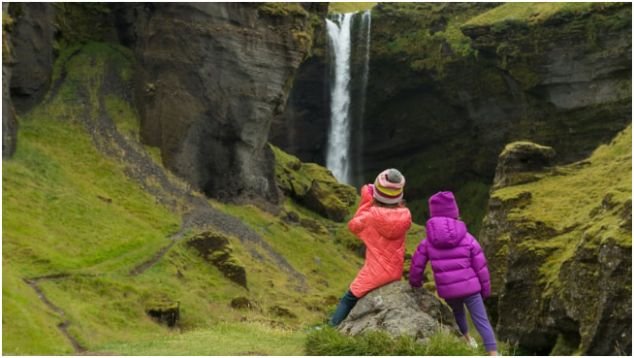
This is where I saw the biggest transformation. Exposure to different cultures opened their minds in ways I couldn’t teach at home. They started asking questions about how other people live, eat, and think.
When they saw different lifestyles, they became less judgmental and more curious. They realized that their way isn’t the only way. That awareness made them more respectful and open-minded.
I also noticed a deeper sense of gratitude. After seeing different living conditions, they appreciated what they had without me reminding them. That shift felt natural, not forced.
Why Do Travel Memories Shape Personal Identity So Strongly?
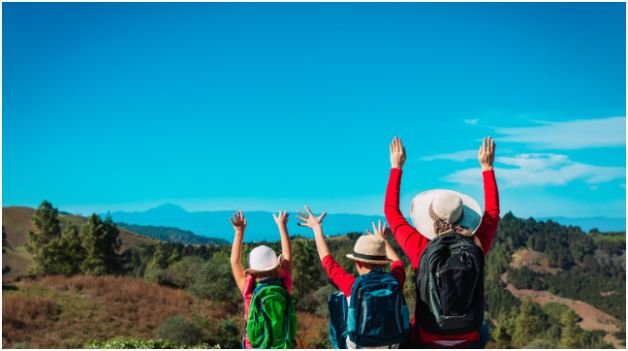
Some of our trips became stories we still talk about regularly. Those memories stuck because they felt meaningful, not routine. They became part of how my kids describe themselves.
When they share those experiences with others, they build their own narrative. They talk about what they tried, what scared them, and what they loved. That storytelling strengthens their sense of identity.
I also saw how travel strengthened our bond as a family. We became a team navigating new environments together. That shared experience gave them a sense of belonging that goes beyond everyday routines.
How To Use How Travel Builds Identity in Children in Everyday Life
I don’t rely on big trips anymore. I focus on small, intentional habits that bring the same benefits. It’s more about how we travel than where we go.
First, I involve my kids in planning. I let them choose activities, research places, and make small decisions. This gives them ownership and builds confidence before the trip even begins.
Then, during the trip, I step back a little. I let them try things first instead of jumping in immediately. Whether it’s navigating a map or ordering food, those moments matter.
After we return, I encourage reflection. We talk about what they learned, what surprised them, and what they would do differently next time. This helps them process the experience and turn it into personal growth.
What Are the Core Benefits of How Travel Builds Identity in Children?
Here’s how I personally see the impact after years of traveling with my kids:
| Experience Factor | What I Notice in My Kids |
| Exposure | They think more openly and ask better questions |
| Challenges | They stay calm and find solutions faster |
| New Experiences | They show curiosity instead of fear |
| Reflection | They understand themselves better |
Each trip adds another layer to who they are becoming. It doesn’t feel forced—it just happens naturally over time.
What Do Parents Usually Ask About How Travel Builds Identity in Children?
1. Does travel really make kids more confident?
Yes, I’ve seen it firsthand. When kids handle small responsibilities during trips, they start trusting themselves more. Confidence grows through action, not instruction.
2. At what age does travel start shaping identity?
Even young kids benefit. They may not remember everything, but they absorb experiences. Over time, those moments influence how they think and respond to the world.
3. Do expensive trips matter for identity development?
Not at all. I’ve seen the biggest growth during simple trips. What matters is exposure, decision-making, and real experiences—not luxury.
4. How often should families travel for this impact?
Consistency matters more than frequency. Even occasional trips can make a difference if you involve kids and encourage reflection afterward.
So… Who Are Your Kids Becoming Through Travel?
I used to think travel was just about creating memories. Now I see it as something much deeper. Every trip shapes how my kids think, respond, and see themselves.
The beauty of how travel builds identity in children is that it doesn’t require perfection. It happens in the imperfect, messy, real moments. That’s where the growth lives.
If there’s one thing I’ve learned, it’s this—give your kids experiences, not just instructions. They’ll figure out who they are along the way.