
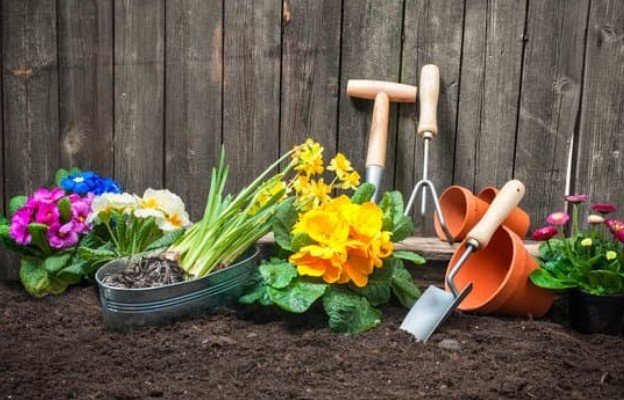
Starting a garden is an exciting way to connect with nature, but it can also be overwhelming, especially when you’re aiming to make it sustainable. Sustainable gardening focuses on practices that conserve resources, minimize waste, and promote biodiversity. For beginners, this means working with nature to build a healthy garden that benefits the planet.
In this guide, we’ll cover the essential sustainable gardening practices, from watering efficiently to using organic materials and supporting local wildlife. Whether you’re growing flowers, vegetables, or herbs, these tips will help you create an eco-friendly space that’s easy to maintain and beneficial for the environment.
What Is Sustainable Gardening?
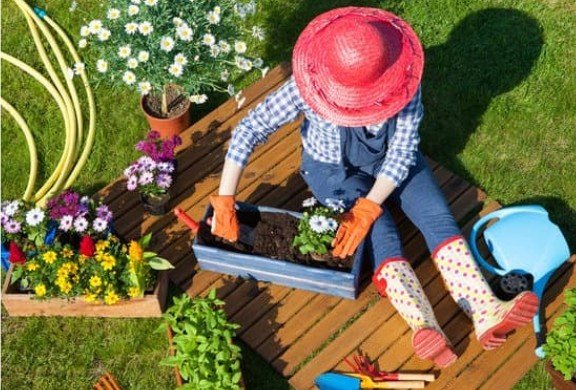
Sustainable gardening means making choices that are environmentally responsible and work with nature’s cycles. Instead of relying on harmful chemicals or excessive water use, sustainable practices focus on improving soil health, using native plants, and conserving resources.
Key Principles of Sustainable Gardening:
- Water Conservation: Efficient watering methods, like drip irrigation and rainwater harvesting, minimize water usage.
- Healthy Soil: Composting and using organic fertilizers help nourish the soil without synthetic chemicals.
- Biodiversity: Supporting pollinators like bees and butterflies by planting native flowers and reducing lawn areas helps local ecosystems thrive.
Top Sustainable Gardening Practices for Beginners
1. Water Wisely
Water is a precious resource, especially in drought-prone areas. Here are some water-saving tips for beginners:
- Mulch: Apply a 2-3 inch layer of organic mulch around plants to retain moisture, suppress weeds, and regulate soil temperature.
- Rain Barrels: Collect rainwater from your roof to water your garden, reducing your reliance on tap water.
- Drip Irrigation: Use a drip irrigation system or soaker hoses to target water directly to the roots, minimizing evaporation.
2. Build Living Soil
Healthy soil is the foundation of a sustainable garden. Here’s how to nurture it:
- Compost: Turn kitchen scraps and yard waste into compost, which enriches the soil with essential nutrients.
- Organic Fertilizers: Use compost, worm castings, or organic amendments instead of synthetic fertilizers, which can harm soil life.
- Avoid Tilling: Over-tilling disrupts soil structure. Instead, apply compost on top of the soil and allow earthworms to do the work.
3. Choose Native Plants
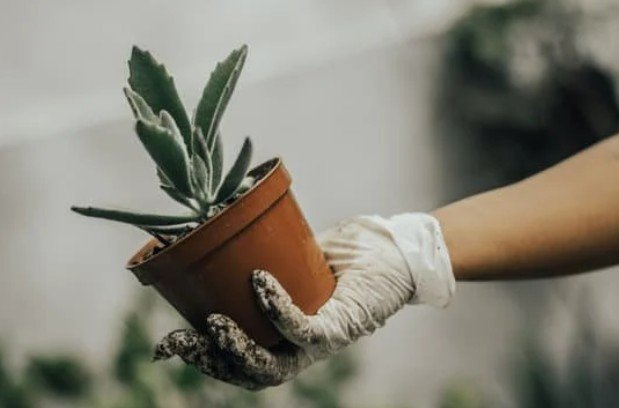
Native plants are adapted to the local climate and require less water and fertilizer. They also provide habitat and food for local wildlife. Consider planting:
- Perennials like coneflowers, lavender, and black-eyed susans, which come back year after year.
- Native Trees and Shrubs that are well-suited to your area and support local bird populations.
4. Support Pollinators and Wildlife
A sustainable garden should attract and support beneficial creatures. To do this:
- Plant Pollinator-Friendly Flowers: Marigolds, sunflowers, and lavender attract bees, butterflies, and other pollinators.
- Provide Shelter and Water: Add birdhouses, bat boxes, and a small pond or birdbath to create habitats for local wildlife.
- Reduce Lawn Areas: Lawns are resource-hungry and provide little habitat for wildlife. Replace them with wildflower meadows or edible plants.
5. Reduce, Reuse, and Recycle
Gardening doesn’t have to mean adding new, plastic tools or pots. Instead:
- Repurpose Containers: Use old containers, like milk cartons or egg cartons, to start seeds.
- Upcycle Materials: Cardboard, old newspapers, and plastic pots can be reused for weed barriers, seedling containers, or storage.
- Recycle Garden Waste: Instead of throwing away plant trimmings, compost them or use them for mulch.
Practical Tips for Beginners
1. Start Small
Begin with a manageable area of your garden. Focus on easy-to-grow plants that are native to your area, and gradually expand as you become more comfortable with sustainable practices.
2. Use Eco-Friendly Tools
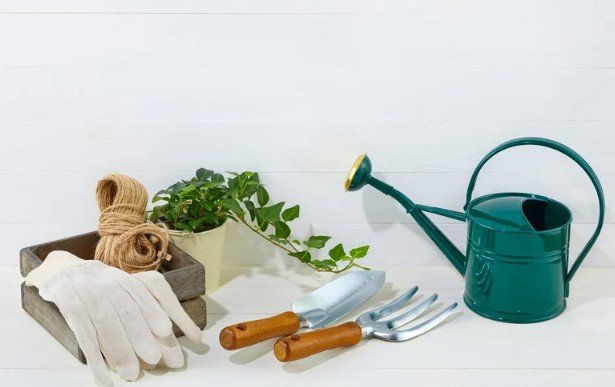
Invest in high-quality, long-lasting tools that are free of harmful chemicals and made from sustainable materials.
3. Maintain a Regular Routine
Sustainable gardening requires patience. Water deeply, mulch regularly, and keep an eye on pests. Stick to a routine to keep your garden healthy and thriving.
FAQs About Sustainable Gardening
1. What are the best plants for sustainable gardening?
Native plants are the best choice for sustainable gardening because they require less water, fewer fertilizers, and provide food for local wildlife. Look for drought-tolerant plants like lavender, echinacea, and sunflowers.
2. How can I reduce my water usage in the garden?
Use mulch to retain moisture, install a rain barrel to collect rainwater, and opt for drip irrigation to water directly at the roots, which reduces evaporation.
3. Can I compost in a small garden?
Yes! You can compost in any garden, no matter the size. Consider starting a small compost bin or using a compost tumbler. You can also compost kitchen scraps like fruit peels and coffee grounds.
4. How can I manage pests naturally?
Try companion planting, which involves growing plants that deter pests naturally (like basil with tomatoes). You can also attract beneficial insects like ladybugs to eat harmful pests and use physical barriers like row covers.
Conclusion: Sustainable Gardening for a Greener Future
Sustainable gardening isn’t just about saving resources; it’s about creating a thriving ecosystem right in your backyard. By following these practices, watering efficiently, building healthy soil, choosing native plants, and supporting wildlife, you can enjoy a beautiful, low-maintenance garden that benefits both you and the environment. Start small, use eco-friendly tools, and be patient. Over time, your sustainable garden will flourish, providing you with fresh produce, a haven for wildlife, and a positive impact on the planet.