
Choosing the appropriate size of the instrument might be among the most important but at the same time most overlooked choices made by parents regarding their children playing the string instrument. The wrong choice of the size of the instrument will lead not only to discomfort during playing but also to bad posture and playing technique. Being familiar with the procedure makes everything clear.
Why Size Matters More Than Expected
Whereas the piano and guitar come in different sizes for convenience alone, stringed instruments come in all sizes to fit players’ arm and hand measurements. It is not necessarily an issue of skills when a child fails to get his hands to either reach the pegs or reach the fingerboard; the problem could be a mismatch between the body and the instrument.
It is common for teachers to observe that children are provided with an adult-sized instrument “to grow into” to save money on future purchases; however, in most cases, this practice does not yield good results and may even lead to discomfort.
How Sizing Actually Works
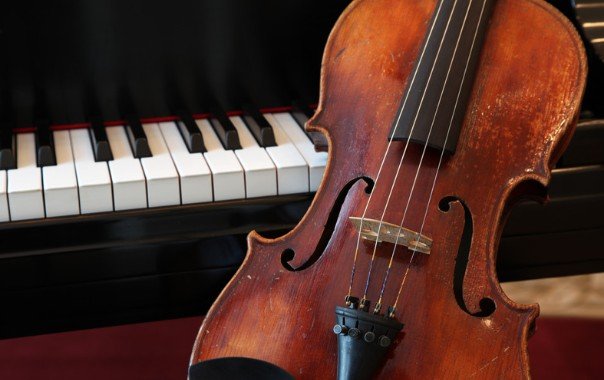
Sizes for violins typically range from 1/16 (smallest, for very young children) up through 4/4 (full size, standard for teenagers and adults). Common increments include:
- 1/16 and 1/10 – Suitable for children roughly ages 3 to 5
- 1/8 – Often fits children around ages 5 to 6
- 1/4 – Common for ages 6 to 8
- 1/2 – Typically fits ages 7 to 9
- 3/4 – Suitable for many pre-teens, ages 9 to 11
- 4/4 (full size) – Standard from early teens through adulthood
These are just approximations for guidance purposes; arm length and not age dictates proper fit.
Measuring for a Proper Fit
An easy arm-length measurement can help identify proper starting size:
- Ask the child to stand with one arm fully extended sideways, palm facing upwards
- Use a ruler to measure the length from the neck to the centre of the palm
- Use the measurement to compare against a sizing chart, which is available from instrument stores
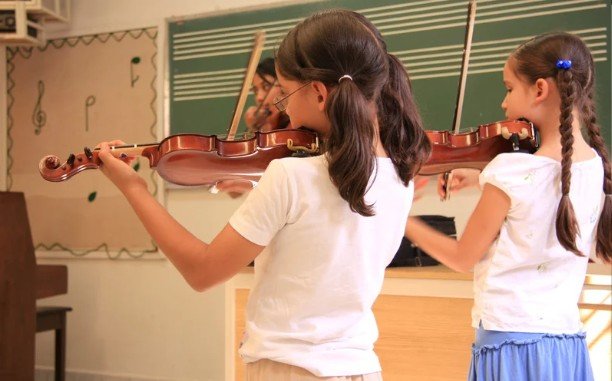
One more tip is to use the instrument while playing it; the scroll of the instrument should easily fit near the base of the palm without having to lock the elbow joint or raise the shoulder.
Signs an Instrument No Longer Fits
Rapid growth may mean that an instrument that was appropriate six months back is no longer appropriate. Some symptoms to look out for are:
- Shoulder tension or visible strain while holding playing position
- Difficulty reaching higher positions on the fingerboard
- Elbow locking when extending the bow arm
- Noticeable slouching or leaning to compensate for reach
- A child expressing that the instrument feels “too big” or “too small”
Regular check-ins, ideally every few months for younger children, help catch these issues before they affect technique. Much like understanding parenting styles and their effects supports a child’s overall development, monitoring violin fit helps protect comfort, posture, and learning progress.
Renting Versus Buying During Growth Phases
Since a kid goes through multiple stages in their development from being very small to their full growth, most families opt for renting over purchasing due to the many stages that a kid will go through before maturity. Some shops also have trade-in services for people who want to own instruments after using them for some time.
In case of those who would like to finally own the instruments, some stores have upgrade services where you can exchange your small instrument to get a bigger one cheaper.
Involving Teachers in the Decision
Music teachers who have fit many students in the past can offer the most dependable advice concerning sizing. Music teachers are able to observe a person’s posture and reach personally, which may help them detect problems in the fit that an individual measurement chart could overlook. It is wise to consult a music teacher before making any purchases.
Shops that sell violins typically coordinate directly with local teachers and offer fitting appointments especially designed for children, thereby making things easier for parents who lack experience with size standards.
Creating Comfortable, Confident Playing Environment
Instrument fitting is not something that happens once but rather an integral part of supporting a child’s development in music. As reach and comfort shift with growth, so should the instrument.
Parents who stay attentive to these changes — and who lean on teachers and knowledgeable shop staff for guidance — help set their child up for a smoother, more enjoyable learning experience from the very first lesson onward.