

Selecting an appropriate lubricant distributor is a crucial decision for businesses across multiple industries. Lubricants play a significant role in maintaining machinery, reducing wear and tear, and improving operational efficiency. Therefore, ensuring a reliable supply from a reputable Lubricant Distributor can directly impact the longevity and performance of equipment.
Understanding the Importance of Lubricant Distribution
Lubricants reduce friction between moving parts, which prevents overheating and mechanical failure. Industries such as manufacturing, automotive, agriculture, and construction rely heavily on lubricants to keep their operations running smoothly. A competent lubricant distributor ensures timely delivery and access to the right products tailored to specific industrial needs.
Evaluating Product Range and Specialisation
The diversity of lubricants available on the market today is extensive, including engine oils, hydraulic oils, greases, and speciality fluids. When choosing a lubricant distributor, it is essential to consider whether the supplier offers a comprehensive range that aligns with the operational requirements of the business. Some distributors also provide speciality lubricants designed for unique applications, which can add value to businesses with specialised equipment.
For businesses working with precision machinery or metal components, attention to surface quality and finishing can also be important alongside proper lubrication. Exploring techniques for creating clean and detailed metal designs offers additional context on the role of precision in metalworking applications.
Quality and Certification Standards
Quality assurance is a non-negotiable factor when selecting lubricants. Reliable distributors source oils and greases that adhere to international standards such as ISO, API, and ACEA. Ensuring the products have the right certifications guarantees consistent performance and compliance with industry regulations. Additionally, distributors with quality control measures in place reduce the risk of receiving contaminated or substandard lubricants.
Technical Support and Expertise
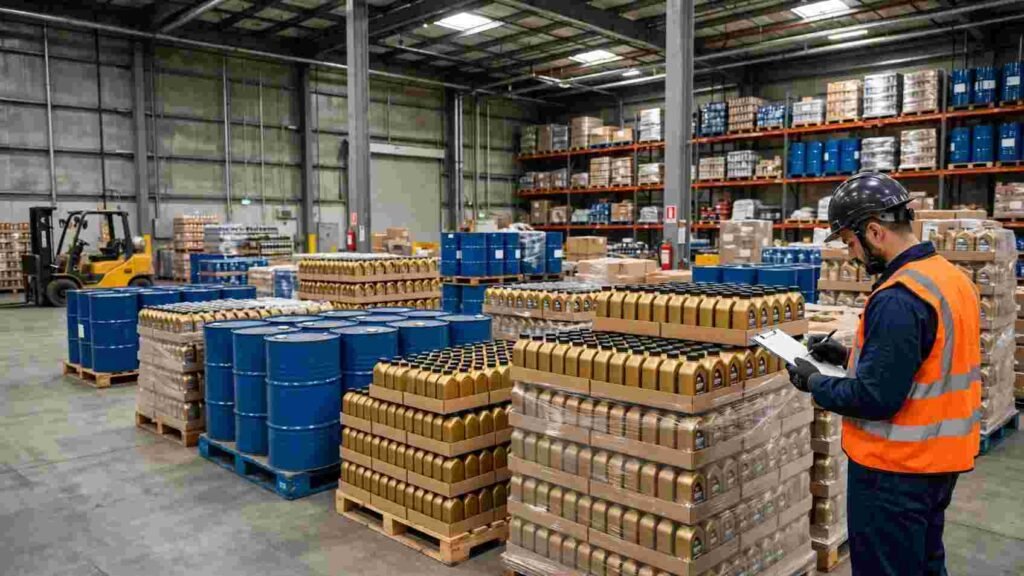
Beyond supplying products, a proficient lubricant distributor offers technical assistance to support decision-making. This includes understanding machinery requirements, advising on the best lubricant types, and providing maintenance tips. Technical experts can recommend solutions that enhance equipment efficiency and prolong service intervals, ultimately reducing operational costs.
Supply Chain Efficiency
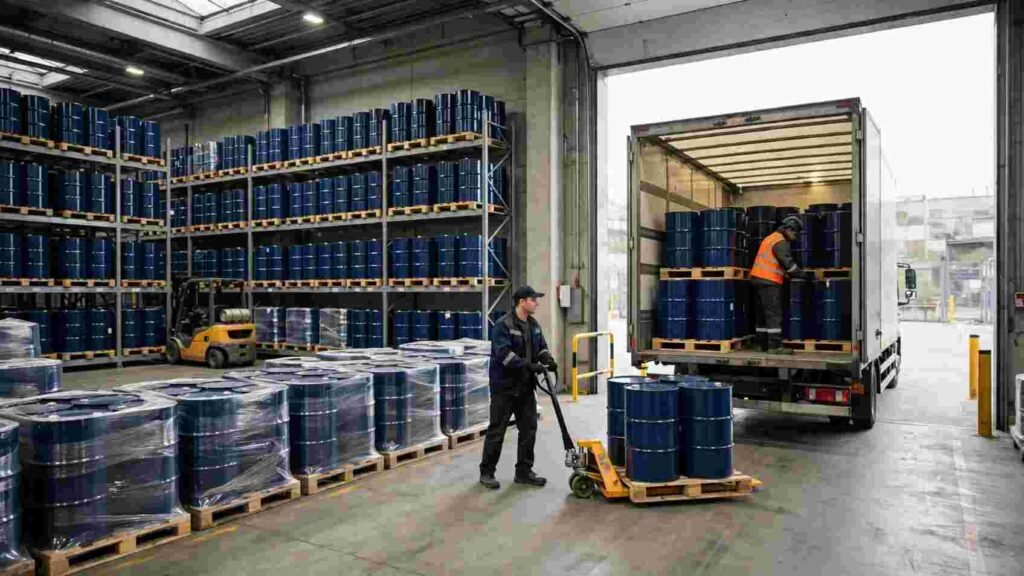
Reliable logistics are vital to maintain uninterrupted operations. Delays or inconsistencies in lubricant delivery can lead to machinery downtime and productivity loss. Ensuring that the chosen distributor has a robust supply chain with local warehousing and efficient distribution networks minimises these risks. Evaluating lead times, delivery schedules, and inventory management practices is essential during the selection process.
Effective inventory management is essential for maintaining a reliable lubricant supply and preventing operational delays. Businesses can explore strategies for optimizing field service inventory to improve stock visibility, coordinate replenishment, and support more efficient distribution.
Pricing and Cost Efficiency
While price should not be the sole consideration, it remains an essential factor. The selected distributor should offer competitive pricing without compromising on quality. It is also useful to examine any bulk purchase options, loyalty programmes, or customised pricing plans that might benefit long-term partnerships. Transparent pricing policies enhance trust and simplify budgeting processes.
Businesses looking to manage procurement costs effectively should also consider how they allocate resources and plan for long-term growth. Exploring a startup booted fundraising strategy can offer useful financial planning perspectives for companies aiming to grow sustainably while managing operating expenses.
Customer Service and Reliability
Effective communication and responsiveness are indicators of a dependable distributor. Customers should assess the distributor’s willingness to address queries promptly, provide product information, and handle issues efficiently. Reliable customer service ensures that any challenges encountered during procurement or usage are resolved in a timely manner, fostering a positive business relationship.
Environmental Considerations
With increasing environmental regulations and sustainability concerns, many businesses prioritise eco-friendly lubricants. Some distributors specialise in biodegradable or low-impact products that meet stringent environmental standards. Choosing a distributor committed to sustainability not only supports corporate responsibility but may also assist in regulatory compliance and reduce waste management costs.
Case Studies and References
Evaluating previous client experiences through case studies or testimonials can offer valuable insight into the distributor’s capabilities. References provide an understanding of how the distributor performs under real-world conditions and their ability to meet specific industry demands. This information helps businesses make informed decisions based on proven track records.
Customised Solutions and Flexibility
Every business has unique needs, and a distributor capable of providing customised solutions stands out. This can include bespoke lubricant blends, packaging options, or delivery schedules tailored to client requirements. Flexibility in service offerings reflects a distributor’s commitment to meeting diverse demands efficiently.
Technology Integration
Modern lubricant distributors may utilise technology such as online ordering platforms, inventory tracking, and automated billing systems. These tools simplify procurement processes and enhance transparency. Businesses benefit from accurate real-time data, which facilitates better inventory management and cost control.
Conclusion
Choosing the right Lubricant Distributor is a strategic decision that affects equipment performance, operational efficiency, and long-term costs. Businesses should consider factors including product range, quality certifications, technical support, supply chain reliability, pricing, and customer service. Furthermore, environmental responsibility, flexibility, and technology integration are becoming increasingly important in distributor selection.
By conducting thorough evaluations and prioritising these criteria, companies can establish partnerships with distributors that not only supply high-quality lubricants but also contribute to sustainable and efficient business operations.