

Surface mount bollards represent a practical and effective solution to improving safety and security in various environments. These bollards are designed for easy installation on existing concrete surfaces without the need for intrusive groundwork. This characteristic makes them particularly popular in urban areas, commercial properties, and industrial facilities where safety and aesthetic considerations are paramount.
Understanding Surface Mount Bollards
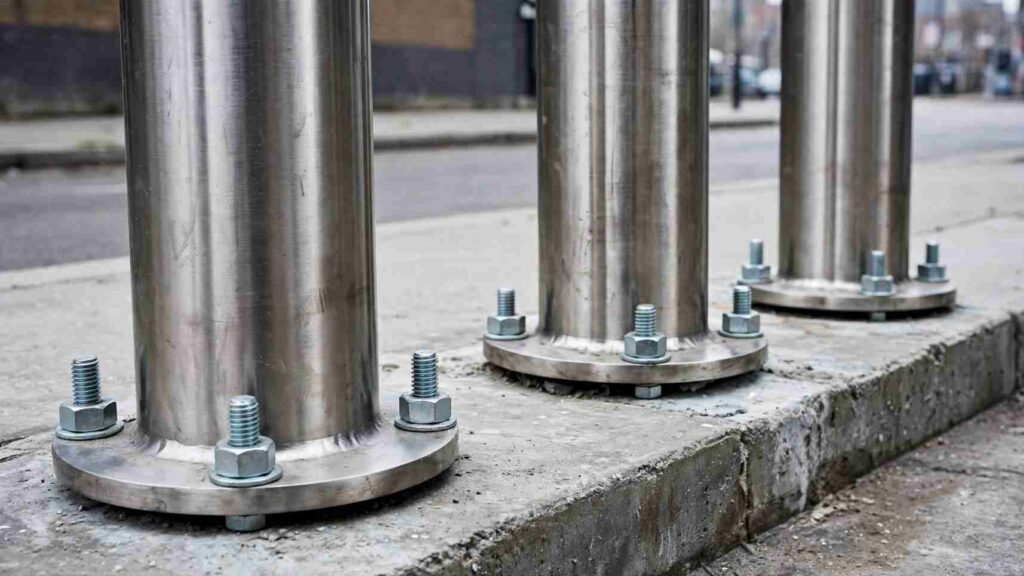
Surface mount bollards are robust steel or composite posts anchored onto concrete surfaces using heavy-duty bolts. Unlike in-ground bollards, which require excavation and pouring of concrete foundations, surface mount bollards are fixed directly to the surface. This method simplifies installation and allows for flexible placement and removal.
Construction and Materials
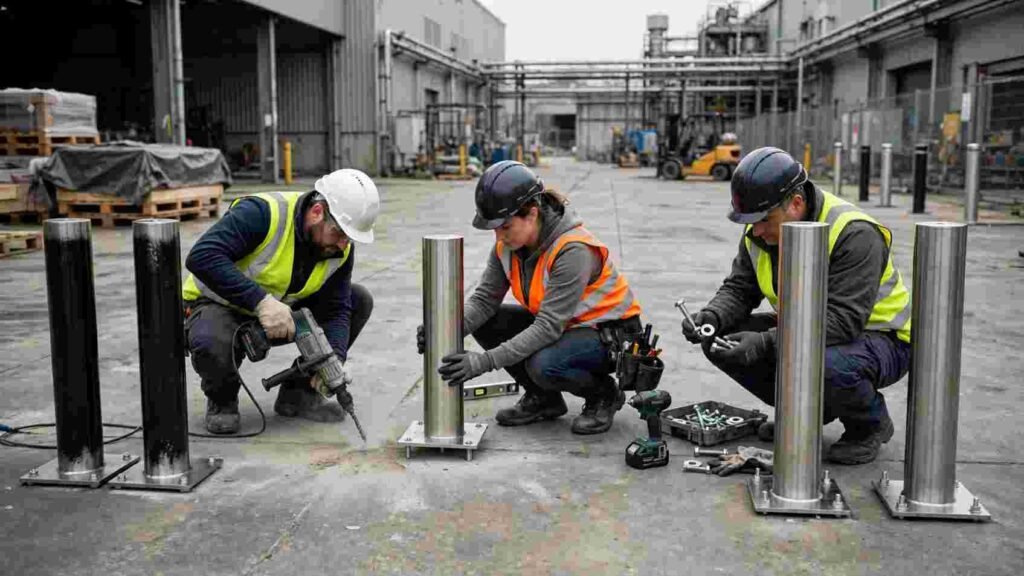
Typically, surface mount bollards are constructed from materials such as carbon steel, stainless steel, or polyethylene. Carbon steel models provide exceptional strength, making them suitable for impact resistance, while polyethylene bollards offer durability with some flexibility. Stainless steel options are often chosen for aesthetic reasons and resistance to corrosion in harsh weather conditions.
Selecting suitable materials is essential for ensuring the durability and performance of metal components used in safety infrastructure.
Businesses that rely on industrial equipment can also benefit from choosing a reliable lubricant distributor to support machinery maintenance, reduce component wear, and maintain efficient operations.
Precision in metal fabrication can contribute to the quality, appearance, and finish of metal components used in safety infrastructure. For additional insight into metalworking techniques, explore clean and detailed metal designs and how precision can influence the finished appearance of metal products.
Safety Applications
The primary function of surface mount bollards is to provide physical barriers that protect pedestrians, property, and infrastructure from vehicle collisions. This is particularly relevant in high-traffic urban spaces, underpasses, pedestrian zones, loading docks, and storefronts. By restricting vehicle access to sensitive areas, surface mount bollards prevent accidents and minimise property damage.
Advantages of Surface Mount Bollards
One of the main benefits of surface mount bollards is their ease of installation. Because they do not require concrete foundations, installation time and costs are significantly reduced. This makes them an ideal retrofit solution for existing structures where traditional in-ground bollards are infeasible or too disruptive.
Moreover, surface mount bollards provide flexibility in positioning. As they are bolted to the surface, it is possible to relocate them if the traffic management needs or property layout change. This adaptability is especially valuable for temporary safety measures during construction or events.
Maintenance and Durability
Most surface mount bollards are designed to withstand aggressive weather conditions and physical impact with minimal maintenance requirements. Powder coating or galvanising treatments increase their resistance to rust and corrosion, extending their service life. When necessary, damaged bollards can be easily replaced or repaired.
Regulatory Compliance and Safety Standards
Surface mount bollards are often used to comply with local regulations and building codes that mandate traffic control or pedestrian protection measures. It is critical to select bollards that meet applicable impact resistance standards, such as PAS 68 or equivalent, especially in high-risk locations.
Furthermore, their visibility plays an essential role in safety. Many designs incorporate high-visibility colours or reflective strips to ensure they are easily seen by drivers, particularly in low-light conditions. This visual deterrence helps prevent accidental collisions and supports traffic management.
Applications Across Different Sectors

Surface mount bollards serve multiple sectors, including retail, hospitality, transportation, industrial, and government facilities. In retail environments, they protect store entrances, outdoor seating areas, and pedestrian walkways. In transportation hubs, such as airports and train stations, they help define vehicle zones and passenger areas.
Industrial sites use them to shield sensitive equipment and loading zones from vehicle damage. Government and municipal authorities frequently install surface mount bollards to safeguard public spaces, heritage sites, and emergency access points without extensive infrastructure work.
Customisation Options
Many manufacturers provide customised surface mount bollards tailored to specific functional and aesthetic requirements. Options include different heights, diameters, and designs, as well as removable or collapsible features to accommodate temporary access.
Additionally, bollards can be outfitted with elements such as lighting, signage, or planter boxes to enhance their utility and integration into surroundings. These features support urban beautification and multifunctional use while maintaining safety effectiveness.
Cost Considerations
From a financial perspective, surface mount bollards generally offer cost advantages due to reduced installation complexity. Expenses associated with excavation, concrete pouring, and site restoration are eliminated, lowering initial investment.
Long-term maintenance costs are also reduced due to the durability and replaceability of individual bollards. However, cost varies depending on material choice, size, and any additional customisation.
Choosing the Right Surface Mount Bollards
When selecting surface mount bollards, it is vital to assess the specific security risks and safety needs of the site. Factors to consider include the level of vehicle impact protection required, environmental conditions, pedestrian traffic, and aesthetic preferences.
Consulting with experienced suppliers ensures that the chosen bollards comply with relevant standards and offer optimal performance. For a comprehensive range of high-quality, professionally engineered options, surface mount bollards from reputable specialists provide reliable solutions.
Installation Best Practices
Proper installation is crucial to maximising the effectiveness of surface mount bollards. The mounting surface must be well-prepared, flat, and structurally sound to bear the load and resist impact forces. Bolts and fixings should be corrosion-resistant to maintain structural integrity over time.
Installing bollards according to manufacturer guidelines and local safety requirements ensures they function as intended. Periodic inspections and maintenance checks contribute to sustained safety performance and appearance.
Conclusion
Surface mount bollards offer an efficient, adaptable, and cost-effective method to enhance safety across various urban, commercial, and industrial settings. Their ease of installation, durability, and flexibility make them ideal for applications requiring robust pedestrian protection and vehicle control without significant infrastructure changes.
For organisations seeking to understand the engineering behind modern bollard systems, this research on a novel modular shallow-mounted bollard system explores design and finite element performance analysis for urban roadside safety. Such research can help inform decisions when evaluating bollard designs for specific safety requirements.
By carefully selecting appropriate surface mount bollards and ensuring correct installation and maintenance, organisations can significantly reduce accident risk, protect assets, and comply with safety regulations. Utilising specialised products such as those provided by trusted suppliers ensures reliable performance and long-term safety benefits.