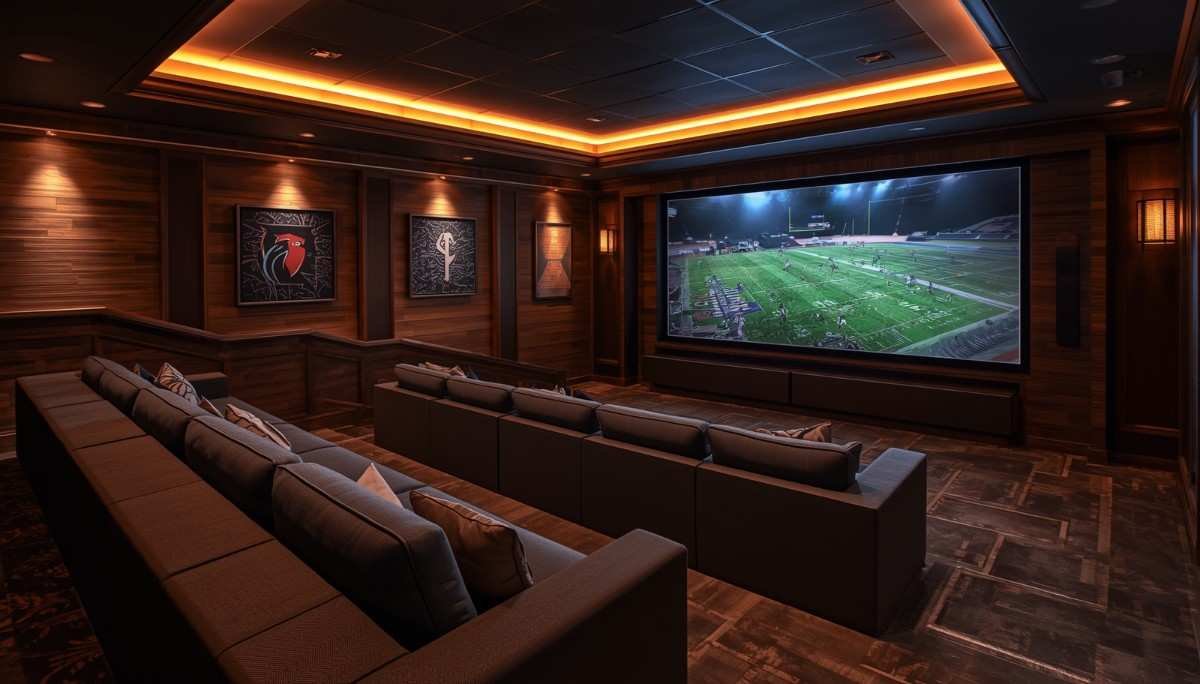

Window film should be chosen for the problem you want to solve. Glare, solar heat, fading concerns, privacy, and appearance are related but different goals. A film that performs well for one purpose may introduce a tradeoff you do not want, such as reduced visible light or a different exterior appearance.
Describe the affected rooms, the time of day, and what makes the space uncomfortable. Photographs and notes can help the installer understand whether the concern is limited to one exposure or appears throughout the building.
Compare performance and compatibility
Ask how proposed films differ in visible light, appearance, and relevant performance measures. Have the installer assess compatibility with the existing glazing and explain any effect on applicable window warranties. Do not assume every film suits every glass unit. Existing glass condition also matters, especially when dealing with damaged window glass without replacing the frame.
When considering getting window tinting in Salt Lake City, view samples in the actual space where possible. Privacy effects can change when interior and exterior lighting reverse, so daytime performance does not necessarily establish nighttime privacy. Ask about care, expected appearance, and any limits on the claims being made. A useful recommendation connects a specific film to a specific concern and makes its tradeoffs clear, allowing you to choose based on the room’s actual use rather than a generic promise of better windows.
Choose a room and a specific concern as the starting point for comparing samples. For example, describe when screen glare becomes troublesome and where people sit. Ask the installer to explain how each proposed option addresses that concern and what changes in visible light or appearance you would notice.
Review the view from inside and outside under relevant lighting conditions. If privacy matters, discuss when and where it is needed rather than accepting a broad daytime claim. Ask what the product documentation supports and which expectations it does not. A clear comparison makes it easier to decide whether film is a suitable response or whether another change in the room should also be considered.
Make the scope visible
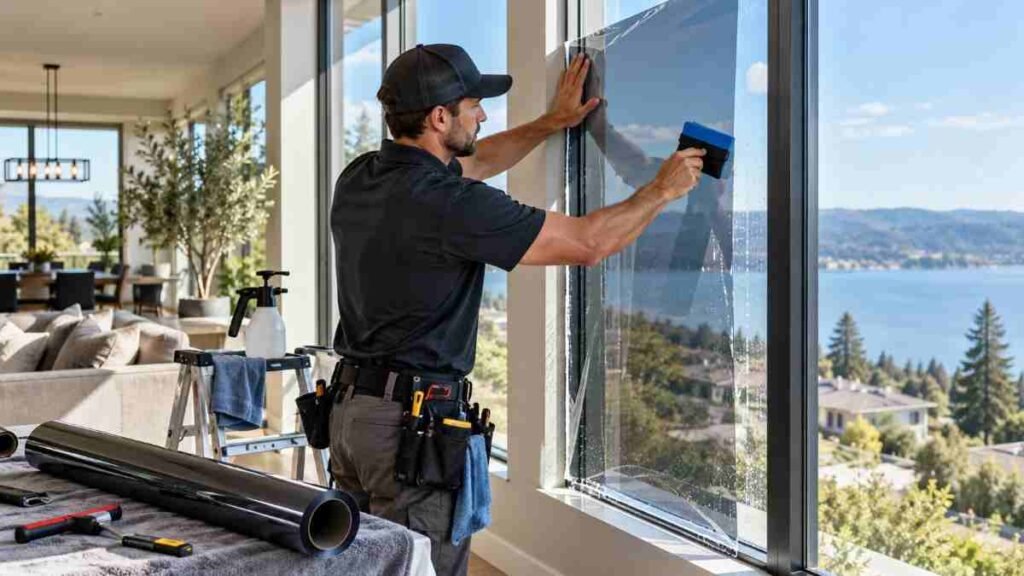
Before approving work, ask for a description of what will be inspected, repaired, replaced, and left alone. Photos and measurements help, but they do not reveal every concealed condition. A proposal should explain which assumptions depend on further inspection and how discoveries will be handled.
Keep functional requirements separate from appearance preferences. The first group may include water management, safe access, or compatibility with existing materials. The second may include color or finish. Both matter, but knowing the difference makes it easier to preserve essential work if the budget needs adjusting.
Compare the work behind the price
Two prices are difficult to compare when they describe different jobs. Check whether preparation, protection of nearby surfaces, disposal, and restoration are included. Ask who coordinates related trades and whether required permits or inspections are part of the quoted scope. Requirements depend on the work and location. Larger improvement decisions can also support broader property investment strategies for maximum returns.
Discuss access and household disruption as well. Contractors may need clear pathways, parking, or temporary use of utilities. Pets, children, and work-from-home schedules can affect daily arrangements. Addressing these details before work begins gives everyone a clearer understanding of what the project involves beyond the finished result.
Keep a short project checklist
- Record the existing condition with dated photographs from safe locations.
- Save the agreed scope, product details, and relevant drawings together.
- Ask how changes will be priced and approved before additional work.
- Confirm who will answer questions while the work is underway.
- Request care instructions and applicable warranty documents at completion.
Plan for the completed work
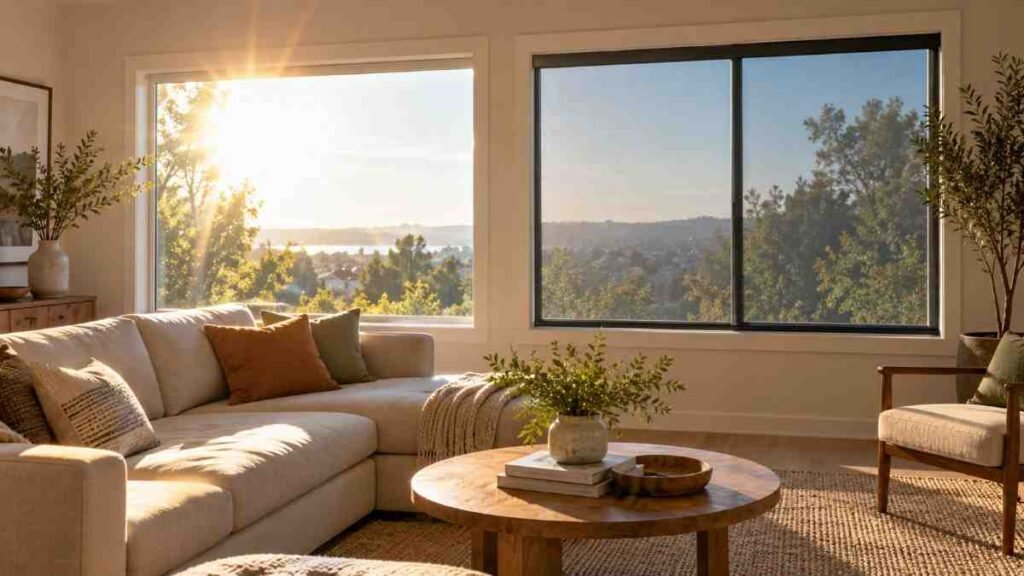
Ask what routine care the finished work will need and which early signs should prompt a follow-up call. Some materials require specific cleaners or maintenance methods. Material care can also complement eco-friendly home renovation ideas for 2026 when sustainability is part of the project. Other components need periodic inspection rather than frequent treatment. Written instructions are easier to follow than a brief conversation during cleanup.
Before the final walkthrough, compare the completed work with the agreed scope and note any unresolved items. Keep photographs of concealed work when available, along with invoices and product information. These records can help with future repairs or changes. A successful project leaves the homeowner with both a functional result and enough information to look after it responsibly.
Ask what conditions would make the proposed approach unsuitable. A responsible explanation may identify damage that cannot be evaluated until an area is opened or an existing component is removed. Agree on the point at which work would pause for a new decision. Keeping that boundary clear is especially useful when several repairs depend on each other. It lets the homeowner understand the limits of the initial proposal without treating every unknown as a reason to approve additional work in advance.
Request a window-film consultation with Simply Cool and describe the specific glare, heat, appearance, or privacy concern.