When seasonal allergy season peaks, the standard survival response for millions of sufferers is to retreat inside. We instinctively roll up vehicle windows, bolt our home entryways, and rely heavily on climate control systems to build a protective barrier against the rising tide of outdoor yellow dust and environmental pollen.
The underlying assumption is that our indoor living spaces function as pristine, sterile sanctuaries capable of insulating our respiratory tracts from environmental triggers.
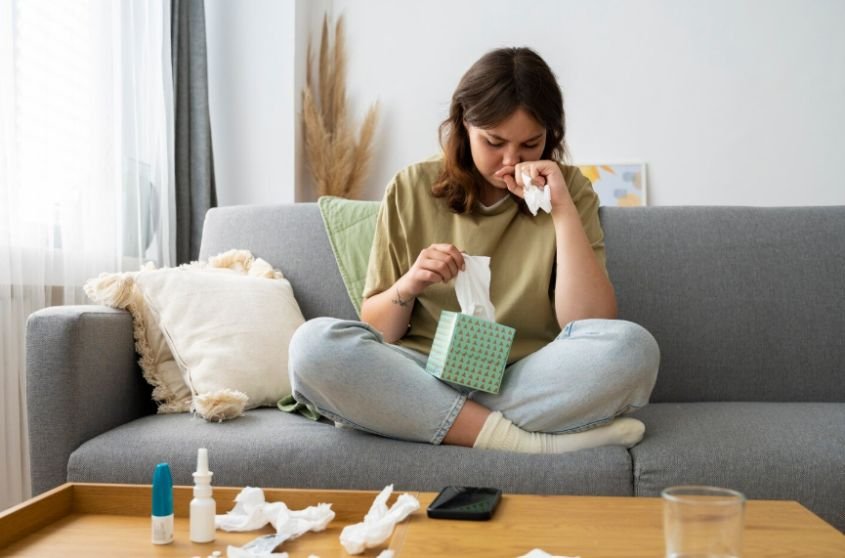
However, many individuals discover that their respiratory distress, sinus pressure, and optical irritation actually intensify once they spend prolonged periods inside. This frustrating phenomenon is not an illusion; it is a direct physical consequence of modern building physics and microscopic particle dynamics.
Rather than protecting us, the indoor environment frequently acts as a high-density concentration chamber that traps, multiplies, and accelerates exposure to ambient allergens, making the seasonal shift feel significantly worse inside than out.
1. The Architectural Trap of Modern Energy Efficiency
The primary structural reason indoor allergies intensify stems from a fundamental pivot in modern residential architecture. For the past several decades, residential homes have been engineered to prioritize maximum thermal energy efficiency.
Homes are wrapped in advanced vapor barriers, sealed with high-density polyurethane insulation, and fitted with airtight double-pane windows to prevent heated or cooled air from escaping.
While this tight construction is exceptional for lowering corporate energy grids and utility costs, it introduces a severe operational flaw: a radical reduction in natural air exchange.
In an older, less insulated home, ambient air leakage naturally flushes out the interior environment multiple times an hour. In a modern, sealed home, the indoor air becomes highly stagnant.
When pollen grains inevitably breach the perimeter—clinging to your clothes, drifting through open doors, or hitching a ride on a family pet—they become permanently trapped inside a closed physical loop. Without continuous fresh air dilution, the concentration of these irritating particles climbs steadily over the season, forcing your immune system into a state of chronic, defensive overreaction.
2. The Multiplier Effect of Resident Dust Mites and Pet Dander
When outdoor pollen enters an indoor ecosystem, it does not exist in isolation. It immediately interfaces with a pre-existing matrix of endemic indoor allergens, creating a highly volatile compound trigger. The most pervasive of these internal triggers are dust mite debris and microscopic pet dander.
Dust mites thrive in high-humidity indoor microclimates, nesting deeply within carpet fibers, upholstered living room furniture, and bedding materials. When outdoor pollen settles into these same textiles, the two distinct particulate types bind together.
Every time a resident walks across a living room rug, sits on a sofa, or shifts in bed, they generate micro-kinetic forces that launch this toxic dust mixture back into the breathing zone.
Because these indoor particles are exceptionally lightweight, they remain suspended in the air for hours, creating a continuous, unyielding respiratory challenge that outdoor environments rarely replicate due to infinite atmospheric dissipation.
3. The Continuous Accumulation Layer across Flat Surfaces
Managing the indoor allergen load requires looking past the air columns and analyzing the physical surfaces where invisible particulate matter ultimately lands.
Pollen, dander, and microscopic mold spores are subject to gravity; they continuously descend onto baseboards, ceiling fan blades, window sills, and deep carpet matrices.
If these surface reservoirs are neglected, the home effectively becomes a structural dust trap. Every footstep or passing breeze from an HVAC register recirculates the settled allergens, keeping the immune system under constant assault.
Eliminating this localized buildup requires a disciplined, multi-stage sanitization approach that moves past superficial dusting. For busy homeowners navigating high-pollen seasons, maintaining this level of physical decontamination can be logistically overwhelming.
Securing meticulous, structured assistance to deep-clean these structural reservoirs is a critical step in health preservation. Utilizing a professional maid service in Ogden ensures that home surfaces undergo systematic, high-fidelity decontamination.
Professional cleaning crews utilize advanced high-efficiency particulate air (HEPA) filtration vacuums and specialized damp-wiping methodologies that actively trap microscopic irritants rather than merely scattering them back into the air.
This rigorous material extraction eliminates the static surface reservoirs that fuel indoor allergy loops, granting residents authentic, long-term respiratory relief within their own walls.
4. HVAC Systems as Mechanical Redistribution Channels
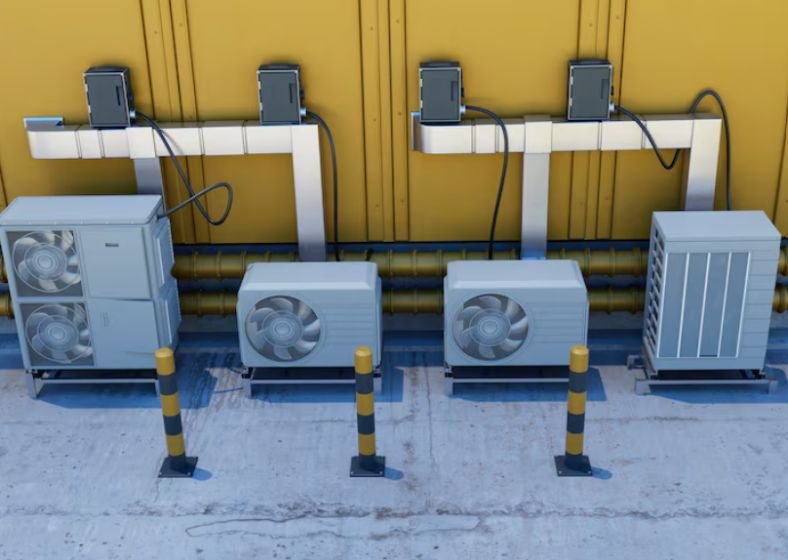
The central forced-air HVAC system in a modern home is engineered to regulate temperature and maintain indoor comfort. However, during peak allergy season, a poorly managed climate control system transforms into an efficient distribution engine for microscopic allergens.
When the system pulls air from the rooms through the return ducts, it draws ambient pollen, pet hair, and dust along with it. If the system is fitted with a low-grade, generic fiberglass filter, the microscopic pollen grains pass cleanly through the material mesh and enter the central blower assembly.
The system then mechanically pumps these concentrated allergens straight back through the ceiling and floor registers into every room in the house.
Furthermore, if moisture accumulates within the dark cooling coils of the air handler, it can foster localized mold colonies, adding highly airborne fungal spores to the recirculated air stream and intensifying sinus inflammation.
Conclusion
Experiencing worsened allergy symptoms indoors is a clear signal that a home’s internal ecology has become structurally compromised by stagnant air, accumulated surface particulates, and mechanical redistribution loops.
By recognizing the architectural realities of energy-efficient sealing, executing strict surface decontamination, and upgrading internal filtration networks, homeowners can successfully dismantle the indoor allergy trap.
Transforming a home back into an authentic sanctuary requires moving away from passive assumptions and actively managing the invisible variables of the indoor climate, ensuring your living space remains a resilient, healthy environment of absolute physical comfort and uncompromised wellness.