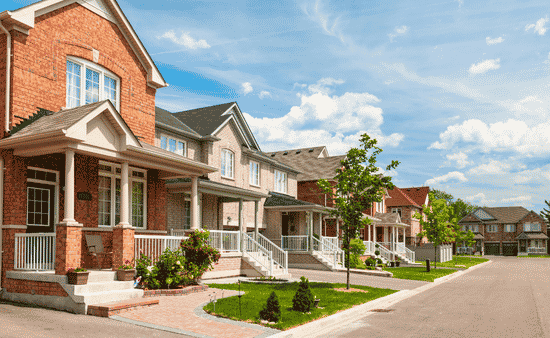

Living in a cold climate presents unique challenges for homeowners, from rising heating costs to snow-related wear on a home’s exterior.
Making energy-efficient improvements can help maintain a comfortable indoor environment while reducing utility expenses and protecting the property from seasonal damage. With thoughtful planning and strategic upgrades, homeowners can improve efficiency, extend the life of essential systems, and create a home that performs reliably throughout the winter months.
Improve Insulation for Better Heat Retention
Insulation is one of the most effective investments for increasing a home’s energy efficiency. When insulation is inadequate or deteriorated, heated air escapes more easily, forcing the heating system to work harder to maintain comfortable indoor temperatures.
Homeowners may also explore the benefits and applications of reflective insulation when improving attics, walls, or other areas where controlling radiant heat transfer can support overall energy performance.
This leads to higher energy consumption and unnecessary wear on heating equipment.
Begin by evaluating insulation levels in the attic, walls, crawl spaces, and basement. The attic is especially important because a significant amount of heat can escape through the roof if this area is not properly insulated.
Upgrading insulation helps maintain stable indoor temperatures while reducing heat loss during extended periods of cold weather.
Proper insulation also contributes to year-round comfort by helping regulate indoor temperatures during warmer seasons. In addition to lowering energy bills, improved insulation reduces drafts and minimizes cold spots throughout the home, creating a more comfortable living environment.
Seal Air Leaks Throughout the Home
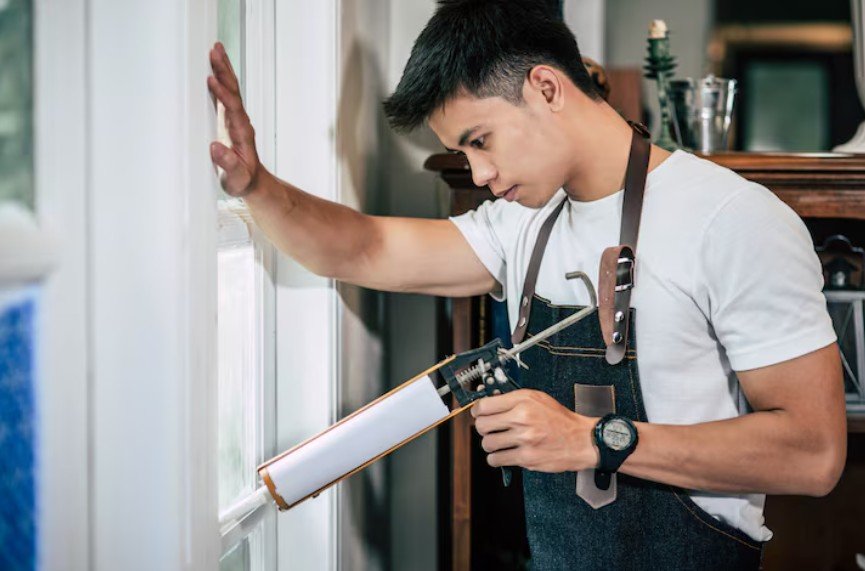
Even the best insulation cannot perform effectively if air leaks are present. Inspect areas around windows, doors, utility penetrations, attic access points, and foundation openings for gaps that allow warm air to escape. Applying weatherstripping and appropriate sealants creates a tighter building envelope that improves heating efficiency and reduces unnecessary energy loss.
Upgrade Windows and Exterior Doors
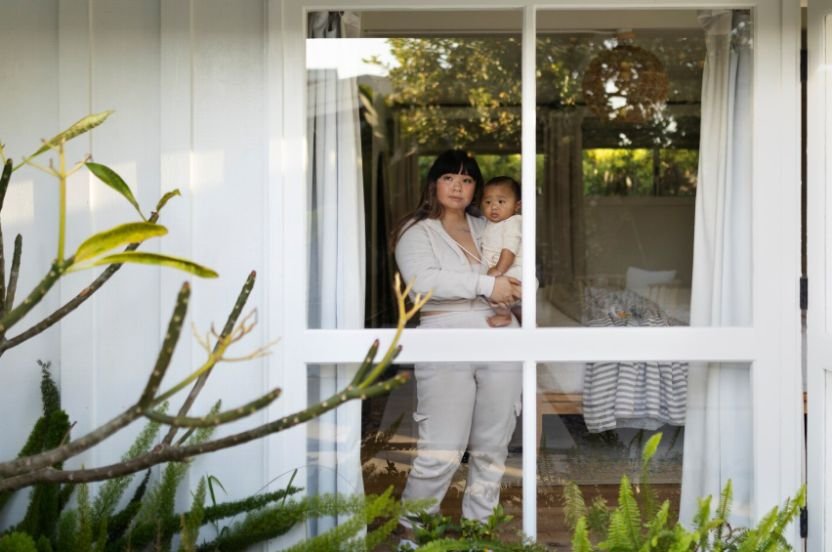
Windows and exterior doors significantly influence a home’s ability to retain heat. Older units often allow cold air infiltration and heat transfer, making indoor spaces less comfortable while increasing heating demands.
Replacing aging windows with energy-efficient alternatives can improve insulation, reduce drafts, and help maintain consistent indoor temperatures. If replacement is not immediately practical, homeowners can improve performance by installing weatherstripping, sealing gaps, and ensuring windows close securely.
Exterior doors should also be inspected for worn seals, damaged thresholds, and gaps around the frame. Properly sealed doors prevent cold air infiltration while improving overall energy performance. Storm doors can provide an additional layer of insulation in particularly cold regions.
Use Window Treatments Strategically
Insulated curtains or thermal window coverings help reduce heat loss during cold nights. Opening window coverings during sunny winter days also allows natural sunlight to contribute passive warmth, reducing heating demands without additional energy use.
Optimize Heating and Roof Performance
A well-maintained heating system operates more efficiently and provides more consistent comfort throughout the winter. Regular maintenance, including filter replacement, airflow inspections, and system tune-ups, helps ensure reliable operation while extending equipment lifespan.
Roof performance also plays an important role in energy efficiency. Proper attic insulation and ventilation work together to regulate roof temperatures, helping reduce heat loss and moisture buildup. These improvements contribute to a healthier roofing system while supporting overall home efficiency.
In regions that experience heavy snowfall, some homeowners also consider installing a snow melt system in Utah to improve winter safety by reducing snow and ice accumulation on designated exterior surfaces. When integrated into a comprehensive winter maintenance strategy, this type of upgrade can complement broader efforts to protect the property during severe weather.
Balance Insulation and Ventilation
Insulation and ventilation should always work together. While insulation minimizes heat transfer, proper ventilation removes excess moisture and helps maintain balanced roof temperatures. Together, these improvements protect structural materials and improve long-term energy performance.
Improve Energy Efficiency Through Smart Maintenance
Routine maintenance plays a significant role in preserving a home’s energy efficiency. Small issues such as damaged caulking, clogged gutters, deteriorating roofing materials, or blocked vents can gradually reduce performance if left unaddressed.
Seasonal inspections help identify maintenance needs before they become major problems. Cleaning gutters ensures proper drainage during snowmelt, while inspecting roofing materials helps prevent moisture intrusion that could compromise insulation and structural components.
Homeowners should also monitor indoor humidity levels during winter. Excess moisture can lead to condensation, mold growth, reduced insulation effectiveness, and conditions that explain why allergy season feels worse indoors.
Excess moisture can lead to condensation, mold growth, and reduced insulation effectiveness. Proper ventilation in kitchens, bathrooms, and laundry areas helps maintain healthier indoor air while protecting building materials.
Develop a Seasonal Maintenance Plan
Creating an annual maintenance schedule ensures that inspections, repairs, and preventative tasks are completed consistently. Regular attention to both interior and exterior systems helps maximize energy efficiency while reducing the likelihood of costly emergency repairs during the coldest months.
Invest in Long-Term Energy Improvements
Energy-efficient upgrades should be viewed as long-term investments rather than short-term expenses.
Improvements that reduce energy consumption often provide lasting financial benefits through lower utility costs, fewer repairs, and increased property value.
When planning renovations, prioritize projects that offer measurable improvements in efficiency and durability.
Homeowners can also consider 2026 interior design trends to follow when selecting sustainable materials, energy-saving lighting, practical layouts, and finishes that improve both comfort and visual appeal.
Evaluate potential upgrades based on their expected lifespan, maintenance requirements, and overall contribution to household comfort.
A phased approach allows homeowners to complete larger projects over time while staying within budget.
In addition to reducing operating costs, energy-efficient homes often experience improved indoor comfort, quieter living spaces, and greater resilience during periods of extreme weather. These advantages contribute to both immediate satisfaction and long-term property performance.
Monitor Results Over Time
Tracking monthly energy usage before and after improvements helps homeowners evaluate the effectiveness of completed projects. Reviewing utility costs, indoor comfort levels, and maintenance expenses provides valuable insight for planning future upgrades and maximizing the return on each investment.
Conclusion
Energy-efficient home improvements provide lasting benefits for homeowners living in cold climates. Upgrading insulation, improving windows and doors, maintaining heating systems, protecting the roof, and following a consistent maintenance routine all contribute to greater comfort and lower energy costs.
By making thoughtful improvements that enhance both performance and durability, homeowners can create a more resilient, comfortable, and efficient home that remains well-prepared for winter season after season.