
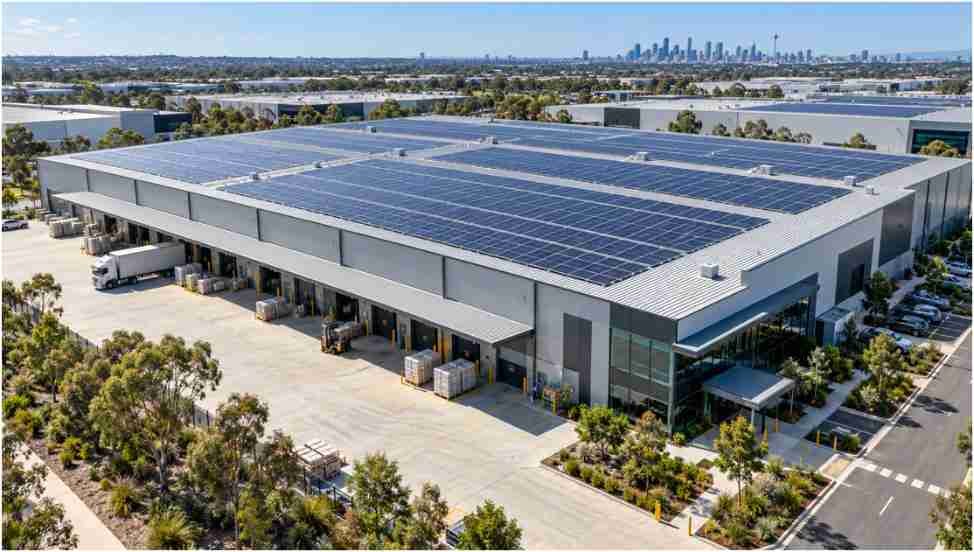
In recent years, commercial solar has become a significant area of interest for businesses aiming to reduce their environmental impact and operational costs. The adoption of solar energy in commercial settings offers a sustainable alternative to traditional power sources, providing companies with numerous financial and ecological benefits. This article explores effective commercial solar solutions for businesses and discusses how these systems can be tailored to meet specific organisational needs.
Understanding Commercial Solar Systems
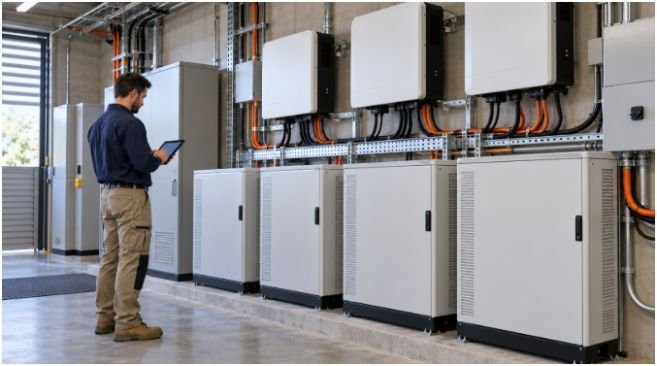
Commercial solar refers to solar energy systems installed primarily for business or industrial use. Unlike residential solar installations, these systems are often larger and designed to accommodate higher energy demands. They typically include solar panels, inverters, mounting structures, and energy storage components configured to optimise electricity generation and consumption within a business environment.
Why Businesses Choose Commercial Solar
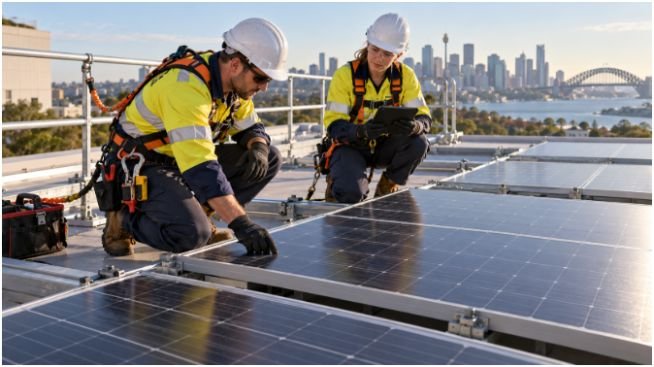
Businesses seek commercial solar solutions to achieve multiple objectives. One primary motivation is the opportunity to reduce electricity bills by generating power onsite. Solar energy also contributes to sustainability goals by reducing carbon footprints, which is increasingly important for corporate social responsibility initiatives. Additionally, solar power can improve energy security by lessening dependence on grid electricity, which can be subject to fluctuations and price volatility.
Customising Solar Systems for Business Needs
Effective commercial solar solutions require careful planning and design to match the energy usage patterns and capacity requirements of a business. Just as modern facilities pair energy-efficient envelopes with innovative solutions in acoustic ceiling systems to optimize indoor performance, exterior power planning demands equal precision. Factors such as roof space, orientation, shading, and the nature of operations influence the optimal configuration. By working with solar experts, businesses can develop systems that maximise energy production and deliver the best return on investment.
Financial Benefits of Commercial Solar
One of the strongest incentives for businesses to invest in commercial solar is financial savings. Solar power significantly reduces electricity expenses by offsetting consumption from the grid. Many regions also offer incentives such as tax credits, rebates, or feed-in tariffs, which can further improve the economics of solar installations. With declining costs of solar panels and technology improvements, returns on investment have become increasingly attractive.
Moreover, commercial solar systems can enhance business valuation and attract environmentally conscious clients or partners. The sustainability credentials gained through using renewable energy can differentiate a company in competitive markets.
Commercial Solar and Energy Management
Integrating commercial solar solutions with energy management systems enables businesses to monitor power production and consumption in real time. This integration helps in optimising energy use, reducing wastage, and scheduling high-energy operations when solar output is at its peak. Such strategies contribute to enhancing overall energy efficiency and increasing the benefits of solar investment.
Challenges and Considerations
Despite the advantages, several challenges may arise when implementing commercial solar systems. Initial capital expenditure can be substantial, although financing options and leasing models are increasingly available to mitigate upfront costs. Additionally, technical considerations such as site assessment and system design require expert input to ensure long-term reliability and efficiency.
Maintenance of commercial solar installations is generally straightforward but essential for optimal performance. Routine inspections, cleaning of panels, and timely repairs help maintain energy output and extend system lifespan.
Choosing the Right Provider
Selecting a reputable and experienced solar provider is crucial for successful deployment. Businesses should consider providers who offer customised solutions, detailed assessments, and comprehensive after-sales support. Providers specialising in commercial solar solutions can provide expertise tailored to meet unique business requirements and navigate potential challenges.
Technological Advancements in Commercial Solar
Recent advancements in solar technology have enhanced the effectiveness of commercial solar systems. High-efficiency photovoltaic panels, improved inverters, and battery storage options enable businesses to maximise energy capture and utilisation. Innovations in monitoring software also facilitate better energy management and predictive maintenance, helping businesses to optimise performance further.
Integrating Solar with Other Renewable Sources
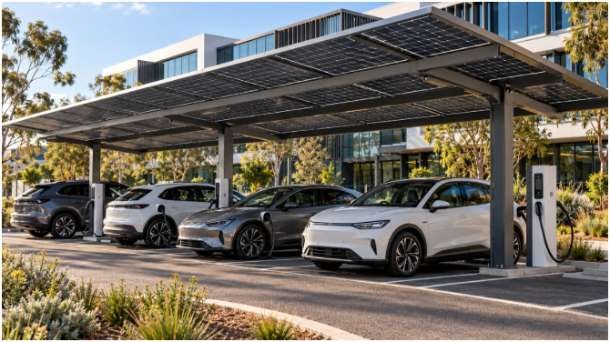
Some businesses complement their solar installations with other renewable energy technologies such as wind or geothermal systems. Hybrid solutions can provide more consistent energy supply and greater resilience. The integration of electric vehicle charging stations powered by solar energy further extends sustainability and operational benefits.
Environmental Impact of Commercial Solar
Commercial solar systems contribute to significant reductions in greenhouse gas emissions. By displacing fossil fuel–generated electricity, solar energy aligns with global efforts to combat climate change. For businesses, adopting solar power demonstrates environmental stewardship and supports broader sustainability objectives, contributing to regional and global environmental goals.
Compliance and Regulatory Aspects
Businesses considering commercial solar installations must be aware of local regulations and compliance requirements. These may include permits, grid connection protocols, and adherence to safety standards. Engaging with knowledgeable providers ensures that installations meet all legal and technical standards, facilitating smooth project implementation.
Future Trends in Commercial Solar
The commercial solar sector continues to evolve with innovations focused on cost reduction, efficiency improvements, and enhanced energy storage solutions. Just as residential markets have embraced energy-efficient home improvements to lower baseline utility bills, enterprises are scaling similar philosophies across large facilities.
Increasing adoption of smart grid technologies and artificial intelligence for energy management promises to make solar systems even more responsive to business needs. Furthermore, expanding government support and sustainability commitments among corporations are expected to drive widespread adoption of commercial solar.
Summary
Effective commercial solar solutions offer businesses an opportunity to reduce costs, enhance sustainability, and improve energy independence. By investing in tailored solar systems, companies can optimise their energy consumption, achieve financial savings, and demonstrate environmental responsibility. Addressing technical challenges through expert consultation and leveraging technological advancements ensures that commercial solar remains a viable and attractive solution for modern businesses.
For enterprises seeking to explore customised and efficient options, consulting providers specialising in commercial solar solutions can provide valuable guidance and support throughout the project lifecycle.