A truly great community park serves as a bridge between generations. Too often, public spaces are designed with only one demographic in mind, resulting in playgrounds where children play while parents sit uncomfortably on distant benches, counting the minutes until it is time to leave.
Modern park design flips this narrative by prioritizing features that accommodate both energetic kids and caregivers simultaneously. By focusing on comfort, safety, and engagement, municipalities can create welcoming environments that families will return to week after week.
Clear Sightlines and Strategic Seating
The foundation of a stress-free park visit for any parent is the ability to supervise their children without constant physical intervention.
Perimeter Benches and Shaded Lounges
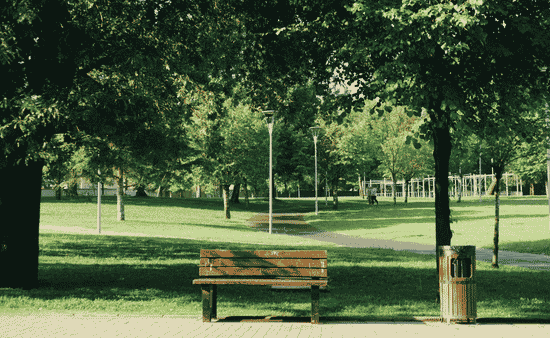
Seating should never be an afterthought. Instead of placing a single concrete bench far from the action, modern family parks utilize a perimeter layout. Comfortable, weather-resistant benches should face the play structures directly, situated close enough for easy communication but far enough to give children independence.
Natural and Architectural Shade
Parents and toddlers alike cannot tolerate hours under a blistering sun. Incorporating large shade sails over seating zones and play equipment is essential. Planting broad-canopy trees near seating areas also provides organic relief from heat, keeping the ground temperature cool and preventing metal or plastic play surfaces from causing burns.
Multi-Age Play Zones and Diverse Attractions

Families rarely consist of children who are all the exactly same age. A park must offer varied activities so that a toddler and a pre-teen can remain equally engaged.
Separate But Adjacent Play Structures
Grouping play areas by developmental age prevents smaller children from being accidentally knocked over by older youth. A dedicated toddler area with low-to-the-ground sensory panels and small slides should sit adjacent to a more challenging area for older kids. This setup allows a caregiver with multiple children to monitor both zones from a central vantage point.
It also creates opportunities to practice clear communication and set age-appropriate expectations, supporting strategies from How to Get Kids to Listen Without Punishment. Calm guidance, consistent reminders, and positive reinforcement can help children follow playground rules while enjoying a safe and engaging environment.
Custom and Immersive Elements
Communities are moving away from uninspiring, cookie-cutter swing sets. To build truly memorable community spaces that celebrate local geography and culture, planners often source custom playgrounds in Idaho to create interactive, nature-inspired climbing structures, multi-level towers, and themed play paths that spark deep imaginative play.
Enhanced Security and Boundaries
Peace of mind is the ultimate amenity for a parent. A family-friendly park must feel secure from external hazards.
Protective Fencing and Enclosures
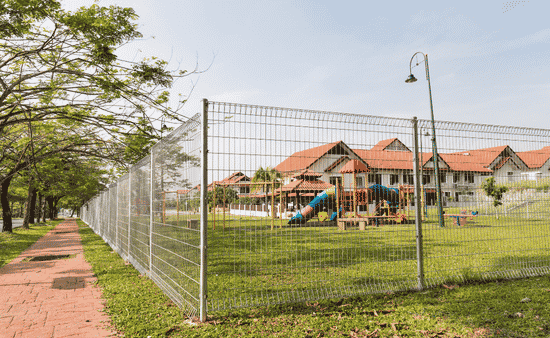
For parents of runners or children with special needs, a completely enclosed play space is a game-changer. Utilizing attractive, low-profile fencing or dense perimeter hedges prevents children from darting into nearby parking lots, busy streets, or deep retention ponds.
Safe Surfacing Choices
Traditional wood chips and gravel pose choking hazards and make navigating the park with a stroller nearly impossible. Modern parks favor poured-in-place rubber flooring or high-density interlocking rubber tiles. These surfaces provide excellent impact absorption for inevitable falls while offering a smooth, even terrain for strollers, wagons, and wheelchairs.
Practical Convenience Features
Basic logistical needs usually dictate the length of a family’s park visit. If a park lacks foundational utilities, families will head home early.
Accessible, Clean Restrooms
A nearby, well-maintained restroom facility equipped with sturdy changing tables is non-negotiable for families with young children. Including a family-style restroom allows parents to assist multiple children at once in a private, spacious setting.
Hydration and Waste Management
Placing drinking fountains with lower, child-accessible spouts and integrated water bottle filling stations keeps everyone hydrated. Furthermore, placing covered trash and recycling bins near seating areas minimizes litter, keeping the space sanitary and free of stinging insects.
When cities invest in parks that consider the physical comfort of adults alongside the developmental needs of children, they create vibrant hubs of community life. Balancing safety, visibility, and convenience ensures the park becomes a cherished sanctuary for the whole neighborhood.