

Choosing the right clothing to stay warm during cold weather is essential for comfort and health. Among the various options, thermals for women have become increasingly popular due to their effectiveness in providing insulation and moisture management. This guide explores the key aspects of thermals, helping women make informed decisions when selecting base layers to stay warm and comfortable.
What Are Thermals?
Thermals are specialised clothing designed to retain body heat and maintain comfort in cold environments. Typically worn as a base layer, thermals sit directly against the skin and work by trapping the body’s natural warmth. The materials used aid in moisture wicking, preventing dampness that can cause discomfort and chills.
The Importance of Thermals for Women
Cold weather affects everyone differently, and women, in particular, may experience greater sensitivity to low temperatures. This can be influenced by factors such as lower metabolic rates and variations in body fat distribution. Wearing appropriate thermals for women is important not only for warmth but also for maintaining skin health and overall comfort during outdoor activities or daily wear in colder seasons.
Types of Thermal Fabrics

There are various fabrics used in the production of thermals, each with its advantages and characteristics. The most common materials include wool, cotton blends, synthetic fibres, and bamboo. Understanding their properties assists in selecting suitable thermals for specific needs.
Wool Thermals
Wool is renowned for its natural insulation properties and ability to regulate body temperature. Merino wool, in particular, is prized for being soft against the skin and resisting odours, making it an excellent choice for prolonged wear.
Cotton Blends
While cotton may be comfortable, pure cotton thermals are generally not recommended for cold weather due to poor moisture management. However, cotton blended with synthetic fibres can provide a balance of comfort and functionality.
Synthetic Fibres
Materials like polyester and nylon are widely used in thermals for their durability, moisture-wicking capacity, and quick-drying properties. These fibres help keep the skin dry, essential for maintaining warmth.
Bamboo Fabric
Bamboo thermals have gained attention for their softness, breathability, and eco-friendly production. Bamboo fibres are naturally antibacterial and effective in moisture management, enhancing comfort during extended wear.
Benefits of Wearing Thermals
Thermals offer several advantages beyond simply keeping warm. Their design and materials contribute to improved performance, comfort, and protection in various conditions.
Temperature Regulation
Thermals aid in maintaining consistent body temperature by trapping heat close to the skin while allowing excess heat to escape. This prevents overheating and cooling fluctuations during physical activity or changing weather.
Moisture Management
A key function of thermals is to wick moisture away from the skin, reducing the risk of chills caused by damp clothing. Proper moisture management also promotes skin health by minimising irritation.
Layering Flexibility
Thermals serve as an excellent base layer, providing a foundation for additional garments such as mid-layers and outer shells. This layering system enhances insulation and allows for adaptable warmth based on activity and weather.
Key Features to Consider When Choosing Thermals for Women
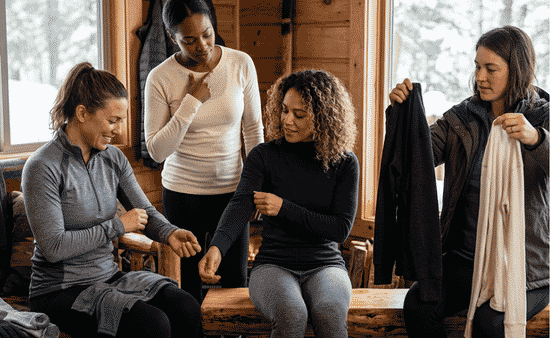
Selecting suitable thermals requires attention to several factors that impact comfort and performance.
Fit and Comfort
Thermals should offer a snug fit without restricting movement. A well-fitted base layer ensures efficient heat retention and reduces bulk under other clothing.
Fabric Type
The choice of fabric influences warmth, breathability, and durability. Women should consider skin sensitivity and activity levels when selecting between wool, synthetic, or bamboo materials.
Seam Construction
Seam placement and construction affect comfort, particularly during extended wear. Flat seams or seamless designs can minimise chafing and irritation.
Weight and Thickness
Thermals are available in various weights, from lightweight options suitable for mild cold to heavyweight designs for extreme temperatures. Choosing the correct weight depends on intended use and environmental conditions.
Thermals for Active and Everyday Use
Women’s thermals are designed to meet diverse needs, ranging from outdoor sports to daily cold-weather wear. For activities such as hiking, skiing, or running, thermals with enhanced breathability and flexibility are essential. For everyday use, comfort and ease of care might take priority.
Care and Maintenance of Thermals
Proper care extends the life and effectiveness of thermals. Washing instructions vary based on fabric type but generally include gentle cycles and avoidance of high heat in drying. Maintaining the integrity of fibres and moisture-wicking properties is crucial.
Eco-Friendly Options

With growing environmental awareness, many manufacturers offer thermals made from sustainable materials. Bamboo and organic wool thermals for women provide an eco-conscious choice without compromising performance.
Where to Buy Quality Thermals for Women
For a comprehensive selection, visiting the collection of thermals for women offers an array of options made with quality materials and thoughtful design. This resource is valuable for those seeking effective thermal solutions tailored to female needs.
Conclusion
Thermals are fundamental clothing items for women aiming to stay warm and comfortable in cold conditions. Understanding the different fabrics, features, and care requirements enables the selection of appropriate thermals that offer effective insulation and moisture control.
Investing in quality thermals improves overall well-being during colder months and supports an active lifestyle. By choosing reliable thermals for women, individuals can enjoy enhanced warmth, comfort, and performance tailored to their specific cold-weather needs.