Understanding the Oral Microbiome During Orthodontic Care
The human mouth serves as home to a remarkably complex ecosystem of microorganisms, collectively known as the oral microbiome. This delicate balance of bacteria, fungi, and other microbes plays a crucial role in maintaining dental health.
However, when orthodontic appliances enter the equation, this microscopic community experiences significant shifts that can present both challenges and opportunities for patients seeking straighter smiles.
Orthodontic treatment fundamentally transforms the oral environment by introducing fixed or removable appliances that create new surfaces and crevices where microorganisms can flourish.
Brackets, wires, elastics, and aligners all contribute to an altered landscape within the mouth, one that requires heightened attention to hygiene practices. Understanding these changes enables patients to take proactive steps in maintaining optimal oral health throughout their orthodontic journey with their orthodontist in London or elsewhere.
The Science Behind Microbial Changes
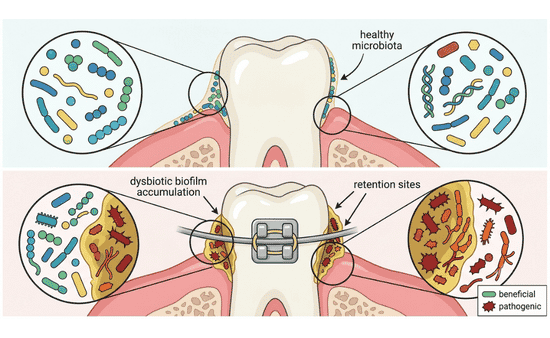
Research has demonstrated that orthodontic appliances significantly influence the composition and diversity of oral bacteria. The introduction of brackets and bands creates additional retention sites where plaque can accumulate more readily than on natural tooth surfaces. This accumulation provides an ideal environment for certain bacterial species to proliferate, potentially disrupting the natural equilibrium that exists in a healthy mouth.
Studies examining microbial changes in the periodontal environment due to orthodontic appliances have revealed fascinating insights into how these shifts occur.
The presence of orthodontic hardware can lead to increased levels of specific bacterial strains, including those associated with dental caries and periodontal inflammation. Patients undergoing treatment with an orthodontist should remain aware of these biological changes to better understand the importance of rigorous oral hygiene protocols.
Bacterial Colonisation Patterns
Different types of orthodontic appliances create varying degrees of microbial disruption. Fixed appliances, which remain in place throughout treatment, tend to foster more substantial changes in the oral microbiome compared to removable aligners.
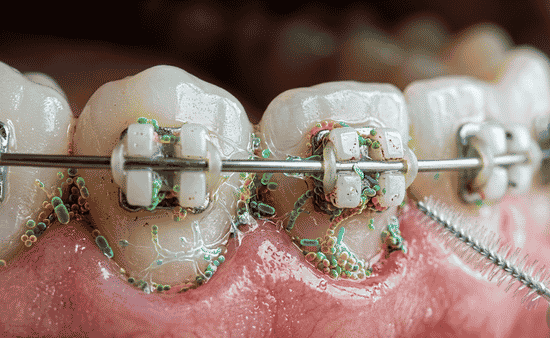
The rough surfaces and irregular contours of brackets provide excellent adhesion points for bacterial biofilms, which can mature and become increasingly resistant to removal through standard brushing techniques alone.
Hygiene Challenges Faced by Orthodontic Patients
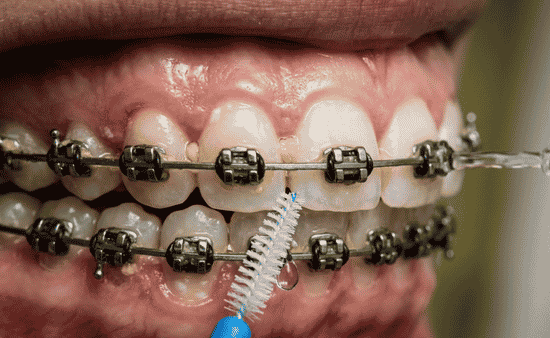
Maintaining exemplary oral hygiene during orthodontic treatment requires considerably more effort than standard dental care routines. The presence of brackets and wires creates numerous obstacles that complicate effective plaque removal. Food particles become trapped more easily, and traditional brushing techniques often prove insufficient for reaching all the nooks and crannies created by orthodontic hardware.
Patients frequently encounter difficulty accessing the areas beneath archwires and around bracket bases, where bacterial accumulation tends to be most problematic.
These hard-to-reach zones become havens for plaque formation, potentially leading to white spot lesions, gingivitis, and even early-stage tooth decay if left unaddressed. The challenge intensifies for individuals with limited manual dexterity or those who struggle to maintain consistent hygiene habits.
Effective Strategies for Microbiome Management
Fortunately, orthodontic patients can employ several strategies to mitigate the impact of treatment on their oral microbiome. These approaches include:
- Utilising interdental brushes specifically designed for cleaning around brackets and wires
- Incorporating water flossers to dislodge debris from difficult-to-reach areas
- Adopting fluoride mouth rinses to strengthen enamel and combat bacterial acid production
- Scheduling more frequent professional cleanings throughout the treatment period
- Maintaining a diet low in fermentable carbohydrates that feed harmful bacteria
Recent findings on orthodontic treatment effects on oral microbial communities emphasise the importance of personalised hygiene protocols. Additionally, research into biofilm formation during orthodontic therapy continues to inform best practices for patient care and education.
Embracing Proactive Oral Health During Treatment
The relationship between orthodontic treatment and oral microbiome alterations need not be a source of concern for patients who approach their care with diligence and awareness. Whilst orthodontic appliances undeniably create additional hygiene challenges, these obstacles are entirely manageable with proper techniques and commitment to daily oral care routines.
Success during orthodontic treatment extends beyond achieving perfectly aligned teeth; it encompasses maintaining the health of the entire oral environment throughout the process.
By understanding how appliances influence microbial balance and implementing robust hygiene strategies, patients can emerge from treatment with not only straighter smiles but also healthier mouths. The journey towards orthodontic transformation becomes an opportunity to develop lifelong habits that support optimal dental wellness.