

Bringing home a brand-new puppy is supposed to be a time of pure, unadulterated joy. You imagine cute cuddles, playful bounces, and a loyal little companion sleeping peacefully at your feet.
Then reality hits.
By day four, you are running on three hours of sleep, cleaning pee out of the rug for the fifth time, and wondering if you made a massive mistake.
If you are feeling deeply overwhelmed, exhausted, and even a little regretful, please take a deep breath. You are not a bad pet parent, and you are definitely not alone.
The “puppy blues” are incredibly common. The first few weeks are a massive shock to the system for both you and your new four-legged friend. Here is a look at why this initial phase feels so incredibly overwhelming and what is actually going on behind the chaos.
1. The Total Disruption of Your Routine
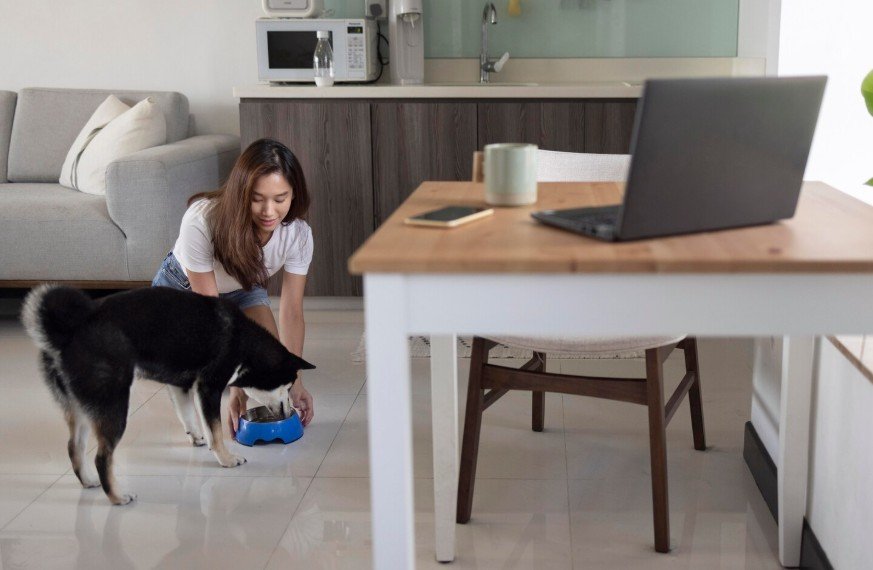
Humans are creatures of habit. Before your puppy arrived, you had a predictable schedule. You could sleep in on weekends, binge-watch a show uninterrupted, or leave the house on a whim.
A puppy acts like an adorable, furry grenade thrown directly into that routine. Suddenly, your schedule is dictated by a tiny bladder that needs to go out every 45 minutes.
Your mornings start at 5:00 AM, and your evenings are spent preventing the destruction of your favorite shoes. This sudden loss of personal freedom and predictability is a major psychological shock.
2. Extreme Sleep Deprivation
It is almost impossible to maintain your emotional baseline when you are chronically exhausted. Puppies have tiny bladders and zero concept of nighttime etiquette. They cry, whine, and need midnight bathroom breaks.
Sleep deprivation amplifies every single negative emotion. A minor potty accident that you would normally shrug off feels like a catastrophic failure when you are running on empty. Until your puppy learns to sleep through the night, your brain is operating in survival mode.
3. The Weight of Constant Vigilance

An untrained puppy is essentially a cute little hazard magnet. If you turn your back for thirty seconds, they are chewing an electrical cord, swallowing a stray sock, or counter-surfing.
This requires you to maintain a state of constant vigilance. Your brain is permanently on high alert, scanning the environment for dangers and watching the puppy for signs that they are about to relieve themselves.
This level of hyper-awareness is mentally exhausting and drains your cognitive energy faster than a hard day at the office.
4. Unrealistic Expectations vs. Reality
Social media is flooded with pictures of perfectly behaved, pristine puppies. It rarely shows the torn clothing, the bloody scratches from razor-sharp puppy teeth, or the crying fits.
When your reality doesn’t match the idealized version in your head, frustration sets in. You might feel like you are doing something wrong because your puppy isn’t instantly potty trained or perfectly socialized.
Realizing that puppyhood is messy, loud, and frustrating helps bridge the gap between expectation and reality.
5. Navigating the Complexities of Training
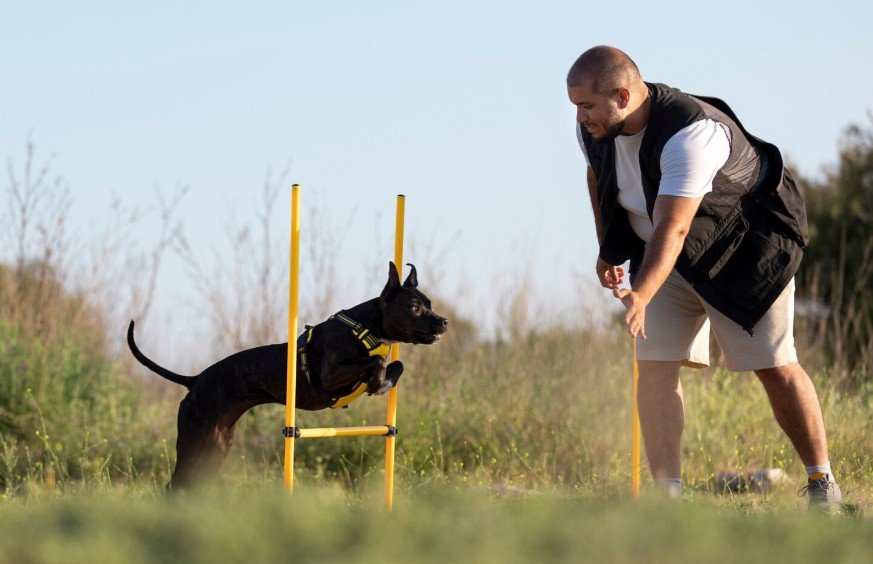
Trying to teach a creature that doesn’t speak your language can feel like an uphill battle. You want to build good habits early, but managing crate training, socialization, and housebreaking all at once is incredibly daunting.
Fortunately, you do not have to figure it all out by yourself. Relying on professional guidance can alleviate immense pressure. For instance, investing in expert puppy training in Loxahatchee can provide you with a structured roadmap, taking the guesswork out of those chaotic early weeks and fast-tracking your pup’s manners.
6. The Puppy’s Own Stress and Transition
It is easy to forget that the puppy is also having a hard time. They were recently separated from their mother and littermates, placed in a strange environment, and introduced to unfamiliar rules.
Their overwhelming behavior—the whining, the nipping, the clinginess—is often just their way of coping with stress. When you realize that their acting out is driven by confusion rather than defiance, it becomes much easier to meet them with patience instead of frustration.
Conclusion
The first few weeks with a puppy are a test of endurance. The overwhelming feelings you are experiencing are a natural response to sleep deprivation, a shattered routine, and the sudden pressure of keeping a tiny animal alive and well.
This chaotic stage is entirely temporary. As the weeks progress, your puppy’s bladder will grow, a new routine will form, and the constant chaos will transform into a deep, rewarding bond. Give yourself and your puppy some grace; you are both learning how to navigate a brand-new world together.