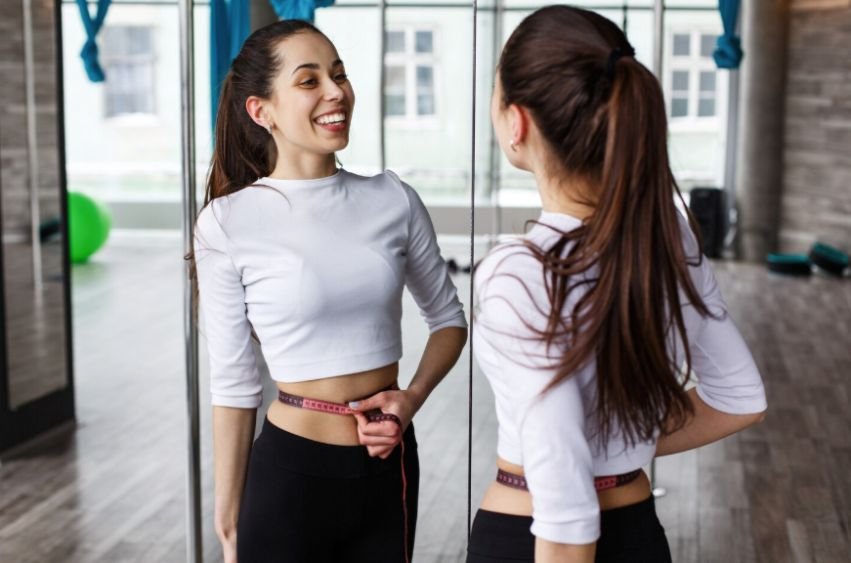
Major weight loss is often celebrated as a significant achievement, yet the emotional and physical journey does not always end when the goal is reached. Many individuals experience unexpected challenges related to body image, confidence, and adjusting to a changing appearance.
Understanding these realities is essential for maintaining long-term well-being and developing a healthier relationship with the body. With patience, support, and realistic expectations, lasting confidence can continue to grow beyond the number on the scale.
Understanding The Emotional Adjustment After Weight Loss
Losing a significant amount of weight can transform physical health, but emotional adjustment often takes much longer than expected.
Many individuals anticipate immediate confidence after reaching their goals, only to discover that their self-image has not fully caught up with their physical transformation. This disconnect can create confusion, frustration, and uncertainty during what is expected to be a celebratory time.
Body image is shaped by years of personal experiences, habits, and perceptions. Even after dramatic physical changes, some people continue to see themselves through the lens of their previous appearance. Learning to accept a new body requires time, patience, and self-awareness rather than expecting instant emotional satisfaction.
Social interactions may also change after weight loss. Compliments, increased attention, or altered expectations from others can create additional emotional pressure. Some individuals appreciate these changes, while others find them uncomfortable or difficult to navigate.
Recognizing these emotional responses as part of the adjustment process helps normalize the experience and encourages healthier coping strategies.
Developing confidence after weight loss is an ongoing journey rather than a final destination. Emotional well-being deserves the same level of attention as physical health throughout the transformation process.
Physical Changes That Can Affect Confidence

While improved health often accompanies major weight loss, physical changes may present new concerns that many people do not anticipate. Loose or excess skin is one of the most common challenges, particularly after significant or rapid weight reduction.
Depending on age, genetics, and the amount of weight lost, skin may not fully adapt to the body’s new shape.
Changes in muscle definition and body proportions can also influence self-confidence. Although weight loss may improve overall appearance, individuals sometimes notice uneven contours or areas that remain resistant to exercise.
These physical realities can affect clothing choices, comfort during physical activities, and overall satisfaction with body image.
Maintaining muscle mass through strength training and balanced nutrition may improve body composition over time. However, it is important to recognize that not every physical change can be fully addressed through lifestyle alone.
Accepting the body’s natural healing process while continuing healthy habits contributes to both physical and emotional resilience.
Understanding that physical transformation involves more than losing weight helps create realistic expectations and reduces unnecessary disappointment during recovery and long-term maintenance.
Rebuilding Confidence Through Healthy Mindsets
Confidence after major weight loss develops from more than appearance alone. Building a positive relationship with the body requires shifting attention toward overall health, personal achievements, and daily well-being rather than focusing exclusively on physical perfection.
This mindset encourages long-term satisfaction and reduces the pressure to meet unrealistic standards.
Practicing self-compassion is an important part of this process. Individuals may experience moments of frustration or self-doubt, but recognizing personal progress rather than dwelling on perceived imperfections helps strengthen emotional resilience.
Celebrating improved mobility, energy, and health can provide meaningful motivation beyond visual changes.
Support from trusted family members, friends, or mental health professionals may also contribute to rebuilding confidence. Open conversations about body image challenges help reduce feelings of isolation and remind individuals that emotional adjustment is a common part of significant weight loss.
Developing confidence is rarely immediate. Instead, it grows gradually through consistent healthy habits, realistic expectations, and an appreciation for the body’s remarkable ability to adapt and recover.
Considering Body Contouring And Surgical Options

For some individuals, healthy lifestyle changes alone may not fully address concerns related to excess skin or body contour after major weight loss. In these situations, body contouring procedures may be considered to improve comfort, mobility, or overall appearance.
These procedures are typically viewed as the final stage of a long transformation rather than a substitute for healthy living.
Anyone exploring surgical options should begin with a comprehensive consultation to discuss personal goals, health history, and realistic expectations. Understanding both the benefits and limitations of surgery allows patients to make informed decisions that align with their individual circumstances.
Individuals researching qualified professionals may seek guidance from a plastic surgeon in Peoria, AZ, or another appropriately trained specialist to better understand available procedures, recovery expectations, and potential outcomes.
Careful evaluation and open communication help ensure that decisions are based on medical guidance rather than emotional pressure.
It is important to remember that surgery cannot replace self-acceptance or guarantee confidence. Instead, it may serve as one component of a broader journey that includes healthy habits, emotional growth, and realistic expectations.
Maintaining Long-Term Success Beyond Appearance

Long-term success after major weight loss depends on maintaining healthy habits that support both physical and emotional well-being.
Balanced nutrition, regular physical activity, adequate sleep, and stress management all contribute to sustaining positive results while reducing the likelihood of weight regain.
Quality sleep is one of the most overlooked factors in maintaining long-term weight loss and emotional well-being. Consistent rest supports recovery, hormone balance, mood, and healthy daily routines, making healthy habits for better sleep an important part of sustaining both physical health and body confidence.
Focusing exclusively on appearance can sometimes create ongoing dissatisfaction, even after substantial achievements.
Instead, measuring success through improved health markers, increased strength, better mobility, and enhanced quality of life provides a more meaningful perspective. These broader indicators reflect lasting wellness rather than temporary aesthetic outcomes.
Regular physical activity plays an important role in maintaining weight loss, but ongoing foot discomfort can make it harder to stay active and enjoy daily movement. Understanding why do my feet hurt may help individuals identify common causes of foot pain that could affect their long-term wellness journey.
It is also helpful to recognize that the body will continue changing over time due to aging, lifestyle, and natural biological processes. Accepting these changes while remaining committed to healthy routines encourages greater flexibility and emotional stability.
Ultimately, body confidence is built through consistency rather than perfection. By valuing overall health, celebrating progress, and maintaining realistic expectations, individuals can continue enjoying the benefits of their weight loss journey long after reaching their initial goals.
Conclusion
Body confidence after major weight loss involves far more than achieving a specific number on the scale. Emotional adjustment, physical changes, and evolving self-image all influence how individuals experience their transformation.
By focusing on overall health, practicing self-compassion, and making informed decisions about lifestyle or medical options, lasting confidence becomes more attainable.
A balanced perspective allows individuals to appreciate their progress while continuing to build a healthier relationship with both their bodies and themselves.