
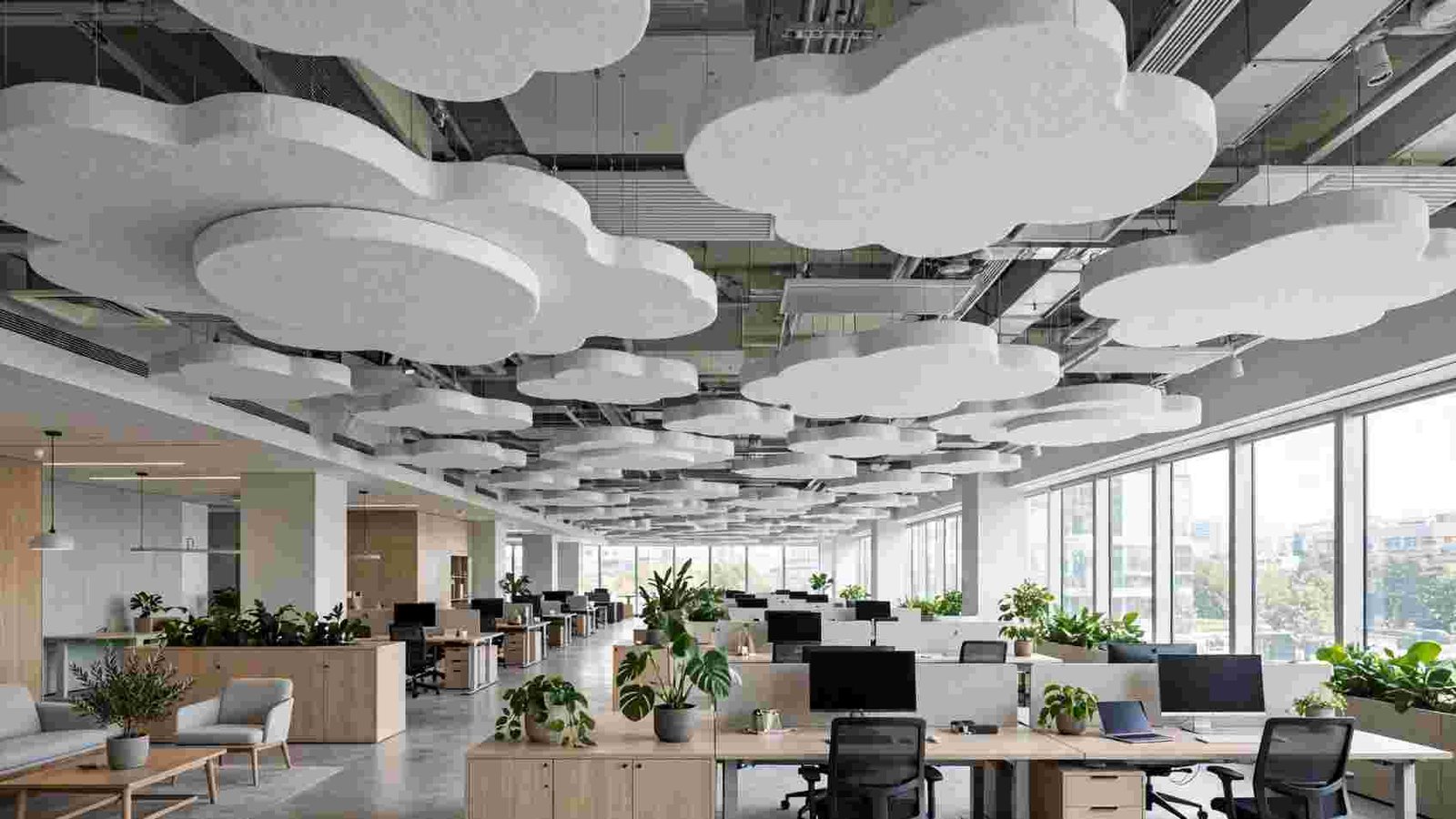
Acoustic ceilings play a crucial role in enhancing sound quality and controlling noise within residential, commercial, and public spaces. With advancements in technology and materials, modern acoustic ceiling systems have evolved to address diverse acoustic challenges while offering aesthetic appeal and functional benefits.
The Importance of Acoustic Ceiling Systems
Acoustic ceiling systems are designed to absorb sound, reduce noise levels, and improve overall acoustic comfort. They are essential in environments such as offices, schools, hospitals, theatres, and restaurants where controlling reverberation and speech intelligibility is vital.
Effective acoustic management reduces distractions and enhances concentration, productivity, and well-being. It also contributes to compliance with noise regulations and building codes, making it a critical consideration in contemporary architecture and interior design.
Materials Used in Modern Acoustic Ceilings
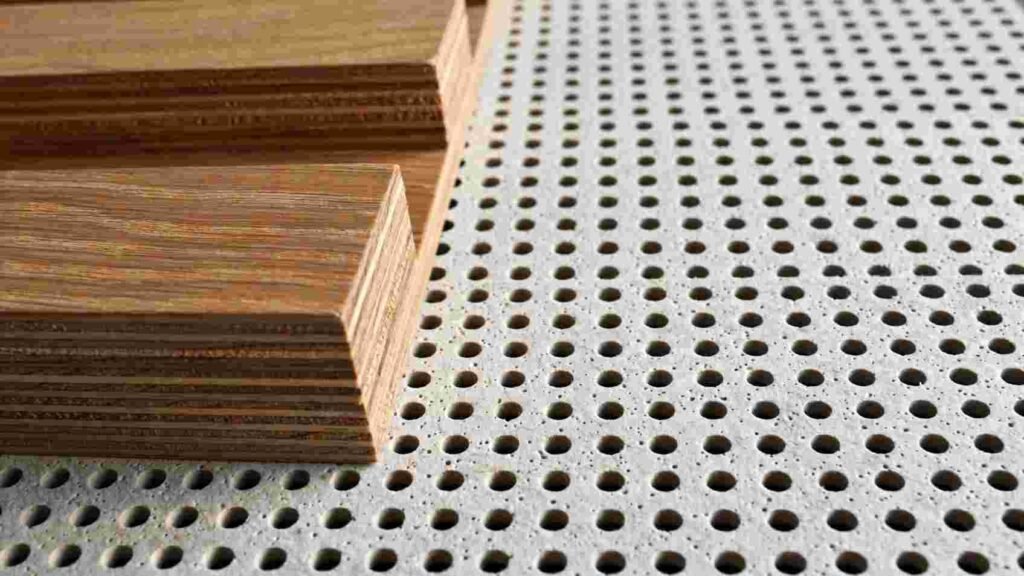
The selection of materials significantly influences the performance of acoustic ceiling systems. Traditional materials like mineral fibre and plasterboard remain popular due to their affordability and acoustic efficiency. However, recent innovations include the use of engineered timber panels, perforated metal, and recycled plastics.
One notable trend is the rise of sustainable materials that combine acoustic performance with environmental responsibility. For example, wood-based panels not only provide excellent sound absorption but also offer natural aesthetics and sustainability benefits. Such materials are increasingly preferred in eco-conscious building projects.
Choosing the right materials and finishes can enhance both the appearance and functionality of interior spaces. Similar considerations apply when updating kitchen interiors, where professional kitchen cabinet resurfacing offers a way to refresh existing cabinetry without replacing the entire structure.
Technological Advancements in Acoustic Design
Technological progress has enabled precise acoustic modelling and customised ceiling solutions. Advanced software tools allow designers to simulate sound behaviour in a room and tailor ceiling configurations to achieve optimal results.
Modular acoustic ceiling systems facilitate easy installation, maintenance, and flexibility in design. These systems often feature interlocking panels or tiles that can be replaced individually, reducing downtime and costs associated with refurbishment.
Innovative Acoustic Ceiling Systems for Open-Plan Spaces
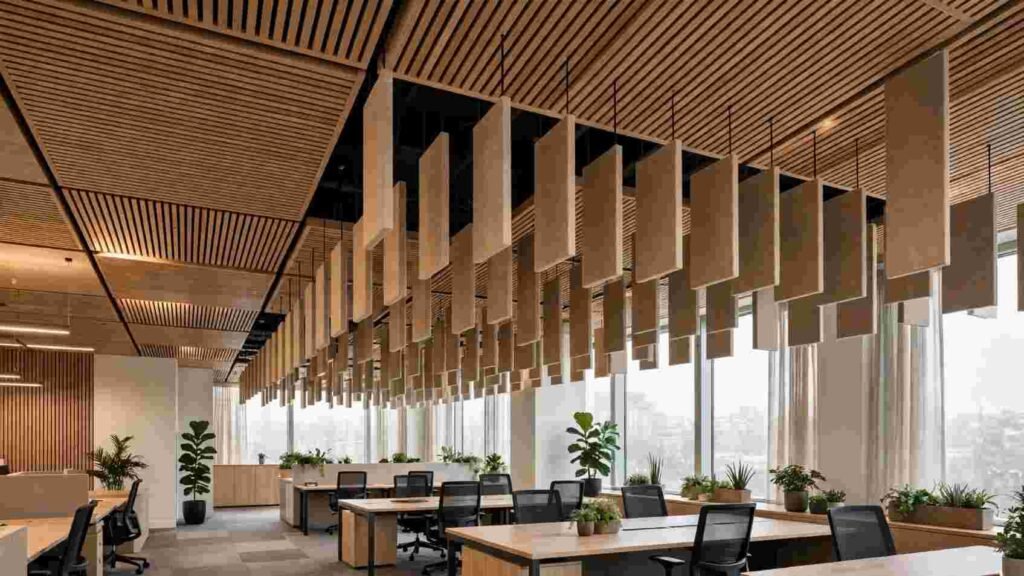
Open-plan environments benefit significantly from innovative acoustic ceiling solutions. High ceilings and large volumes tend to generate excessive reverberation, which challenges speech clarity and noise control.
Acoustic ceiling systems incorporating suspended panels, baffles, and cloud formations create multiple surfaces to absorb sound waves while maintaining an open spatial feel. These configurations also allow light to circulate effectively and contribute to an architecturally dynamic environment.
Integration with Lighting and HVAC Systems
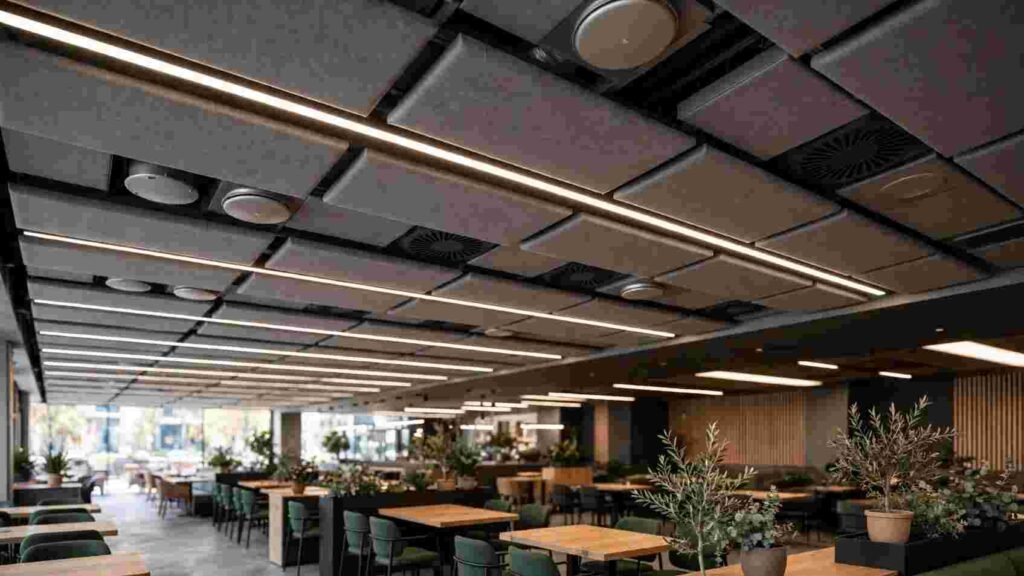
Modern acoustic ceilings are designed for seamless integration with lighting fixtures and HVAC components. Perforations or slots in the ceiling panels allow air circulation without compromising acoustic performance.
Lighting can be embedded within or behind acoustic panels to provide uniform illumination and minimise glare. This integration aids in maintaining clean ceiling lines while achieving functional and acoustic objectives.
Benefits of Acoustic Ceiling Systems
The key benefits of acoustic ceiling systems include improved sound absorption, reduced noise pollution, enhanced speech clarity, and increased occupant comfort. Furthermore, they contribute to fire safety, thermal insulation, and aesthetic enhancement of interior spaces.
Improving indoor comfort involves considering several factors beyond noise control, including insulation and energy performance. Exploring energy-efficient home improvements for cold climates can provide additional ideas for improving thermal comfort and reducing energy consumption in buildings.
Applications in Commercial and Public Buildings
Commercial offices utilise acoustic ceiling systems to create conducive working environments free from distracting noise. Schools employ these systems to enhance student concentration and learning outcomes.
Hospitals rely on sound control to maintain a calm atmosphere, while theatres demand precise acoustic treatment for optimal sound reproduction. Restaurants and cafes benefit from acoustic ceilings by dampening background noise to improve customer experience.
Case Study: Acoustic Timber Ceilings in Modern Offices
Timber acoustic ceiling panels have gained prominence in modern office design. Besides their visual warmth, they effectively absorb mid to high-frequency sounds, typical in office environments.
These acoustic ceiling systems can be customised easily to fit unique architectural forms, supporting both acoustic and aesthetic goals. The combination of wood’s natural properties with advanced mounting techniques achieves excellent performance in sound attenuation.
Installation Considerations and Maintenance
Proper installation is crucial for the optimal functioning of acoustic ceilings. This includes ensuring adequate ceiling height, correct panel spacing, and secure fixation. Collaboration between architects, acousticians, and installers is recommended to meet both acoustic and structural requirements.
Successful interior projects depend on understanding the physical conditions of a space before selecting materials and finalising the design. Similarly, reviewing site conditions for professional landscape design highlights the importance of evaluating site-specific factors to ensure practical, well-planned design outcomes.
Maintenance typically involves routine cleaning and periodic inspection to detect damage or degradation. Many modern acoustic ceilings are designed for durability and ease of maintenance, with some materials resisting moisture and microbial growth.
Future Trends in Acoustic Ceiling Systems
Looking ahead, acoustic ceiling systems will continue to integrate new materials and smart technologies. Developments in nanomaterials and responsive surfaces are expected to revolutionise acoustic control by adapting dynamically to changing sound environments.
Additionally, the focus on sustainability will drive the adoption of recyclable, biodegradable, and low-emission components in ceiling construction.
Suppliers such as acoustic ceiling systems providers are expanding their product ranges to meet these emerging demands and offer more tailored solutions for diverse projects.
Conclusion
Innovative acoustic ceiling systems represent a vital component in creating comfortable, functional, and aesthetically pleasing interior spaces. Advances in materials, technology, and design approaches enable solutions that address specific acoustic challenges while supporting sustainability and integration with other building systems.
Organisations seeking to improve their built environments should consider the latest developments in acoustic ceiling technology to achieve optimal sound quality and occupant satisfaction.